Quality Highlights
| Every Seed Grows We don't pad bags with dead seed or filler. What's in the bag is what grows in your yard. | |
| Independently Tested, Every Batch Each lot is tested by a third-party lab for germination and purity before it ships to you. | |
| Grown on American Farms Our seed comes direct from U.S. growers we know personally — not a middleman warehouse. | |
| Clean Seed, No Shortcuts No coatings to inflate weight, no GMOs, no cheap filler species. Just seed. |
Free shipping on all orders under 125 lbs!
Pasture Seed
Check your ZIP code to know if this seed works for you
Pig Pasture & Forage Mix
SKU: PB-PIG
Supported Species:
- Pig
Planting Aids for your Seed
What is the Pasture Pig Mix?
Pig Forage Mix by The Seed Nerds is a resilient multi-species forage seed blend, ideal for pigs, cattle, sheep, and goats. Adapted to USDA zones 4–9 (Great Plains, Midwest, Northeast, Pacific Northwest), this cool-season mix of grasses and legumes delivers high-nutrition pasture forage and soil-building benefits. Nitrogen-fixing clovers and alfalfa enhance fertility, while deep-rooted chicory and barley boost drought tolerance. Perfect for sustainable grazing and erosion control.
What's in This Mix
Creates a durable, dense sod base that holds up to pigs' rooting and heavy use.
High-yielding and palatable grass that provides reliable bulk forage for foraging pigs.
An energy-dense cereal grain that supplements pigs' diet and encourages natural foraging behavior.
Delivers high protein and minerals to support rapid, efficient pig growth.
Persistent and low-growing, white clover fixes nitrogen and provides quality protein for pigs.
Tolerates wet, compacted soils common in pig paddocks while adding valuable legume forage.
Deep taproot mines subsoil minerals, and pigs actively seek it out as a nutritious supplement.
Non-bloating legume that thrives in tough conditions and adds quality protein to pig diets.
Specifications
Seeding Specs
Water Needs
Moderate
Soil Preference
Prefers well-drained soils; adaptable from sandy loam to clay loam
Soil pH
5.5–8.0
Planting Depth
1/8 to 1/4 inch
Establishment Specs
Height
up to 5–6 ft
Color
White, pink , and blue blooms.
Uses
Pasture forage, grazing (swine and livestock), soil improvement, and erosion control (forage production, cover cropping).
Native/Introduced
Introduced
Why Choose This Seed?
Drought Resilience
Species like alfalfa and chicory give this mix strong drought tolerance. Both have have deep roots which help them endure dry periods. With irrigation, this mix can stay green year-round, but some landowners choose to reduce watering and let their mix go dormant during dry spells– it will rebound quickly with the next rains.

Low Maintenance
These species are among the best for low-input pastures, persisting well with minimal care. Once established, the mix resists weeds and requires little to no fertilizer.

Erosion Control
This blend offers strong control of topsoil erosion through dense root systems and year-round ground cover. Orchardgrass has fibrous roots that anchor soil effectively, while deep-rooted species like alfalfa and chicory stabilize and break up compacted soil. Perennial clovers further bind the surface, making this mix ideal for erosion-prone areas.

Grazing Resilience
This pasture mix handles grazing well. This blend is made up of the finer, less fibrous grasses, together with the leafy species. Orchardgrass is highly palatable and regrows quickly under rotation, while Kentucky bluegrass and tall clovers hold up under animal pressure. Orchardgrass performs best when grazed before it gets too tall. For long-term stand health, use proper rotational grazing—allowing 6–8″ of regrowth before returning livestock.

Pollinator & Wildlife Friendly
The mix also supports pollinators and wildlife with its blooming clovers and chicory, which offer nectar for bees and beneficial insects. White clover, in particular, attracts honeybees for pollination. Orchardgrass–legume combinations also provide nesting cover and late-season seed for birds. Together, these species enhance biodiversity by feeding pollinators and sheltering ground-nesting wildlife.
Product Uses

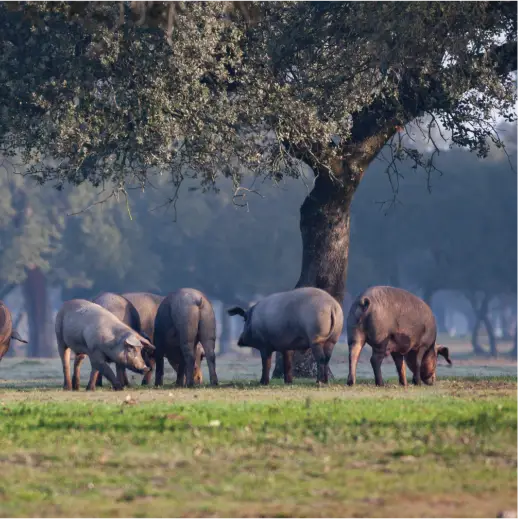
Great for Pigs & Mixed Livestock
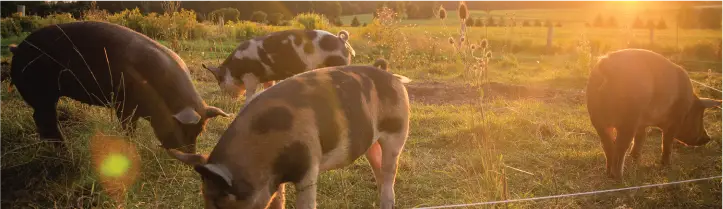
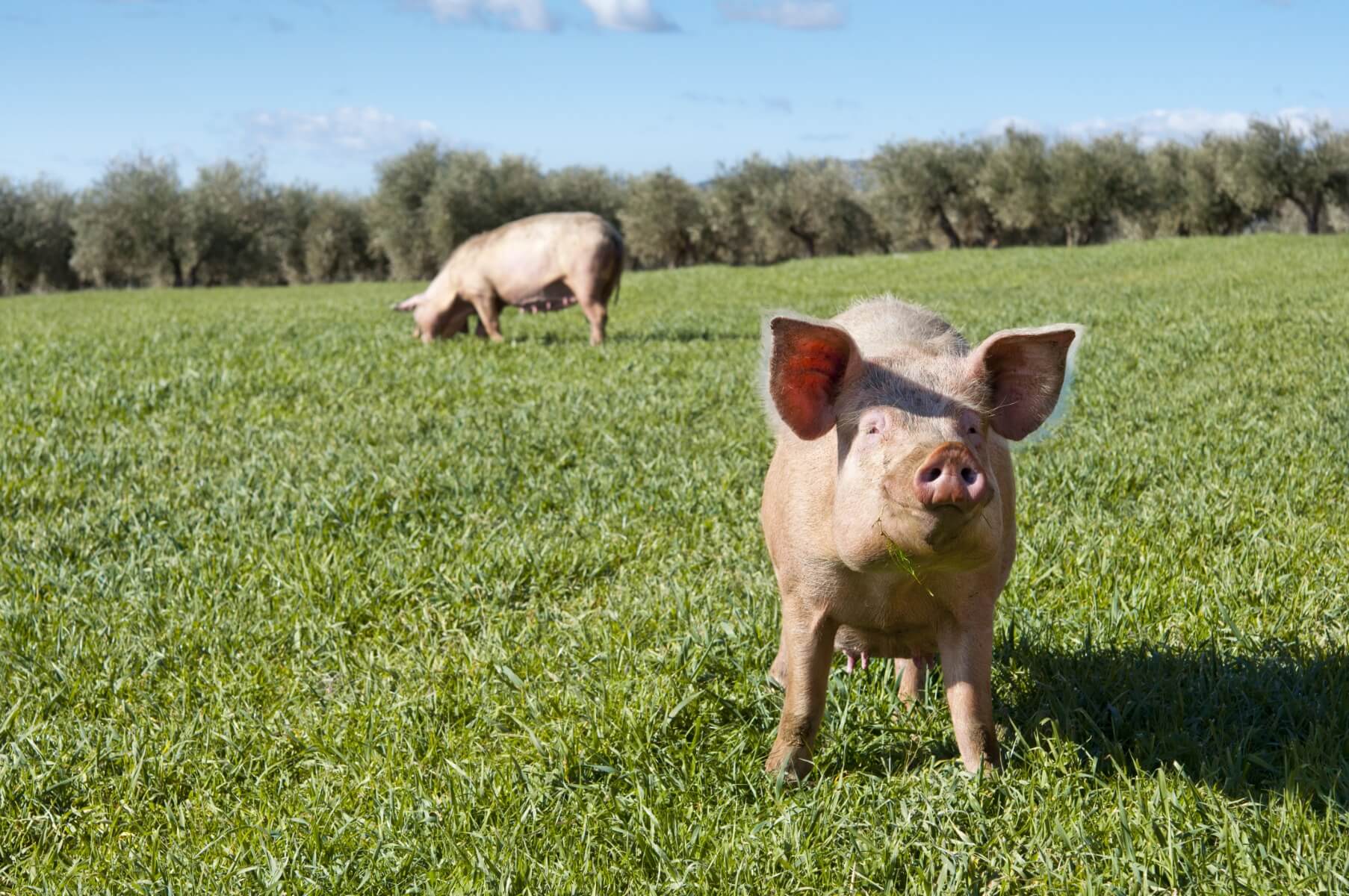
This mix supports healthy growth in swine with high-protein legumes like alfalfa and clover. Pigs graze it eagerly, and it works well as a permanent pasture or hay crop. Rotate grazing to extend stand life and keep forage quality high.

Fast Cover for Slopes & Disturbed Ground
Plant this mix on slopes or bare soil to quickly establish cover. Fast-growing grasses and deep roots hold soil in place, reduce runoff, and protect against erosion, even on gentle hillsides.

Tough, Low-Input Groundcover
This hardy mix holds up to foot and animal traffic, self-reseeds, and stays green with minimal care. Clovers fix nitrogen, reducing fertilizer needs—perfect for rural lots or low-maintenance fields.

Forage & Habitat for Wildlife
This mix offers food and cover for deer, rabbits, birds, and pollinators. Clover and chicory attract grazers and seed-eaters, while grasses create nesting habitat—providing year-round wildlife value.
Helpful Resources
Pasture Seed Planting Guide
Pasture Pig Forage Mixes
The Importance of Legumes in Pastures
Questions & Answers
What is Pig Forage Mix and why should I plant it?
Pig Forage Mix is a custom multi-species blend designed to support healthy, natural pig grazing. It includes cool-season grasses (bluegrass, orchardgrass, barley) and high-protein legumes (alfalfa, clovers, trefoil), plus chicory for added nutrition. Pigs enjoy rooting and grazing on clover and herbs, and the mix promotes strong growth, better sow condition, and improved piglet survival. It also extends the grazing season and enriches the soil through nitrogen fixation.
How good is the forage quality?
This mix offers excellent forage quality. Legumes like alfalfa, clovers, and trefoil provide high protein and digestibility, while grasses add essential fiber. Barley and chicory enhance palatability and mineral content. In peak season, expect crude protein levels around 15–20%—ideal for milk production in ruminants and weight gain in finishing hogs. It’s a well-balanced, high-performing pasture blend.
How do I plant this mix?
Prepare a firm, weed-free seedbed in early spring (Mar–Apr) or late summer (Aug–Sept). Broadcast or drill seed at 20–25 lbs/acre, no deeper than ¼ inch, and firm the soil. Drilling gives the best depth control, but broadcasting followed by cultipacking also works. For frost-seeding, increase the rate by 25%. No-till drilling into existing sod is possible in early spring—just ensure good seed-to-soil contact. Keep the soil moist for 2–3 weeks after planting to support establishment.
What about watering and drought?
This mix prefers moisture but handles drought well once established. Keep the seedbed moist during germination. After that, deep-rooted species like alfalfa and chicory access subsoil moisture and stay productive during dry spells. Bluegrass may go dormant in heat, but typically recovers. Moderate watering helps maintain yield, but the mix is more drought-resilient than grass-only pastures. Avoid poorly drained or waterlogged soils, as none of the species tolerate standing water.
How should I graze this pasture?
Use rotational grazing for best results. Let grass reach 6–8 inches before grazing, and avoid grazing below 2 inches to protect regrowth. Orchardgrass and clovers thrive with regular grazing that prevents stem bolting. For pigs or small livestock, allow short daily forages (1–2 hours) as a supplement. Always allow 2–3 weeks for recovery between grazings. If cutting for hay or silage, harvest when alfalfa is in early bloom for optimal quality.
Can this be used like a lawn or landscape turf?
Not quite a turf lawn, but it’s a tough, functional groundcover. The mix is coarser and taller than typical lawn grass, but Kentucky bluegrass provides traffic tolerance and sod-forming ability. It works well in pastures, paddocks, or large open areas where durability and low input matter more than a manicured look. Mowed to 4–6 inches, it stays tidy with a natural, meadow-like appearance thanks to flowering clovers.
Still Have Questions?
Our seed experts are ready to help you find the perfect seed for your project.
1-866-322-7300 Ask a Seed ExpertCustomer Reviews
See what real customers are saying. All reviews are collected and verified by Shopper Approved, an independent third party.