Quality Highlights
| Every Seed Grows We don't pad bags with dead seed or filler. What's in the bag is what grows in your yard. | |
| Independently Tested, Every Batch Each lot is tested by a third-party lab for germination and purity before it ships to you. | |
| Grown on American Farms Our seed comes direct from U.S. growers we know personally — not a middleman warehouse. | |
| Clean Seed, No Shortcuts No coatings to inflate weight, no GMOs, no cheap filler species. Just seed. |
Free shipping on all orders under 125 lbs!
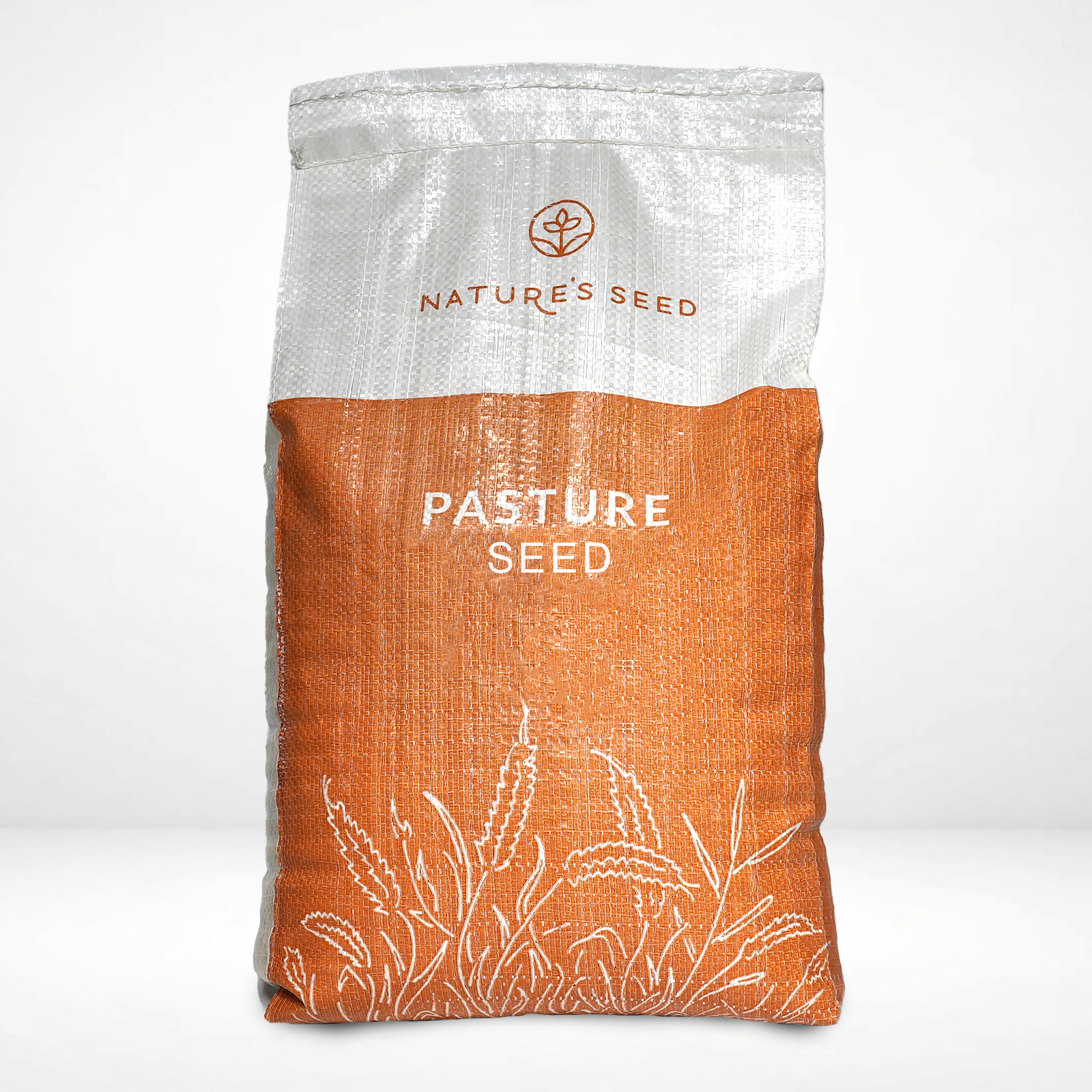
Pasture Seed
Check your ZIP code to know if this seed works for you
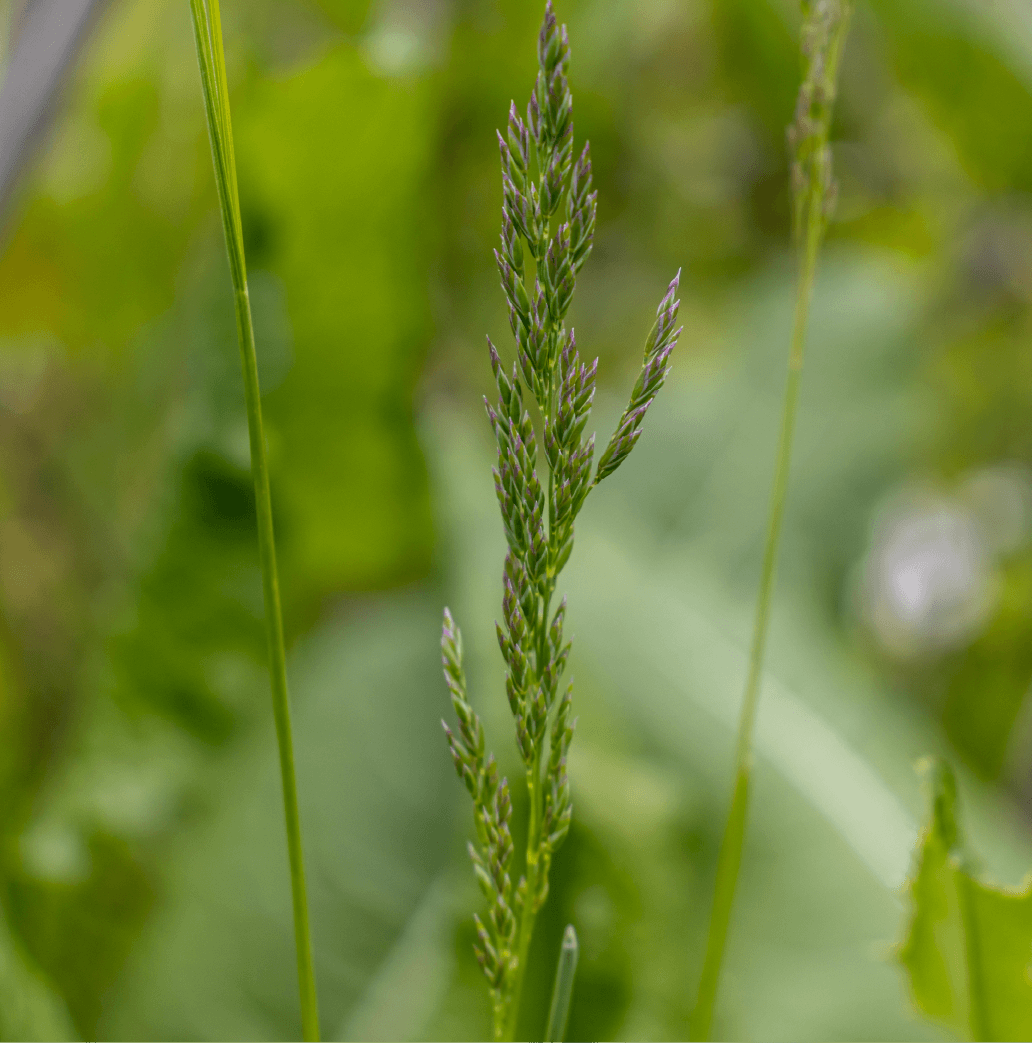
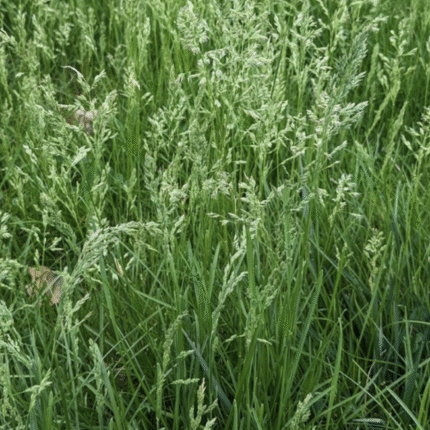
Kentucky Bluegrass
Poa pratensis | SKU: PG-POPR
Supported Species:
- Cattle
- Poultry
- Goats
- Bison
- Alpaca/Llama
Planting Aids for your Seed
What is Kentucky Bluegrass?
Kentucky Bluegrass (Poa pratensis) is a resilient, cool-season perennial grass forming dense, dark green sod. Ideal for U.S. lawns, pastures, and erosion control, it offers high forage value for grazing animals and supports wildlife. Known for excellent cold tolerance and drought survival through dormancy, it thrives in humid, moderate climates across the Midwest, Northeast, and Intermountain West. A versatile choice for beautiful, functional landscapes.
Specifications
Seeding Specs
Water Needs
Moderate to High
Soil Preference
Well-drained, moist, fertile loams or clay loams
Soil pH
6.0-7.5
Planting Depth
¼ inch
Establishment Specs
Height
1 to 3 feet
Color
Dark Green
Uses
Agriculture, Cover Crop, Erosion Control, Habitat Restoration, Land Reclamation, Lawn alternative
Native/Introduced
Introduced
Why Choose This Seed?

Drought Resilience & Dormancy
Kentucky Bluegrass survives drought by going dormant—its leaves may brown, but its rhizomes stay alive, allowing quick regrowth when moisture returns. While it thrives in moist, well-drained soil, this dormancy makes it a water-saving option if brown periods are acceptable. Some cultivars also offer improved drought resistance for greener performance with less water.
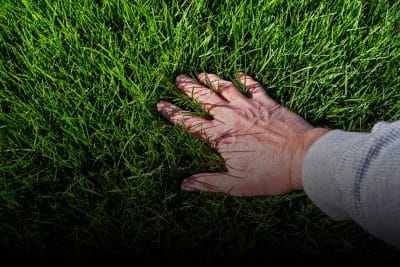
Low Maintenance
While a lush, dark green Kentucky Bluegrass lawn requires regular care, it can also thrive with minimal maintenance in lower-priority areas. By allowing natural dormancy during dry periods and reducing mowing, it performs well in erosion control, heavy-use, or less-visible zones. Its adaptability lets landowners balance aesthetics with practicality.
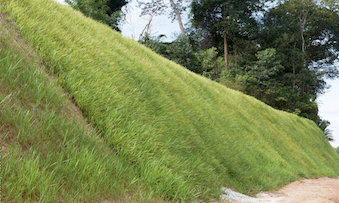
Exceptional Erosion Control
Kentucky Bluegrass is excellent for erosion control thanks to its dense, sod-forming growth and deep rhizome system, which binds soil and reduces runoff. It’s commonly used in conservation covers, slopes, and waterways. However, as a non-native species, it may outcompete native plants, making it less ideal for ecological restoration focused on biodiversity.
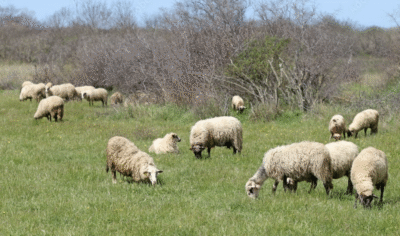
Robust Grazing Performance
Kentucky Bluegrass is a highly palatable cool-season forage for cattle, sheep, goats, and horses. It offers valuable early spring and fall growth, helping extend the grazing season. Though lower-yielding than some grasses, it thrives under rotational grazing. Start grazing at 5 inches and leave 1.5–2 inches to support regrowth and stand health. Proper management ensures long-term productivity and weed resistance.
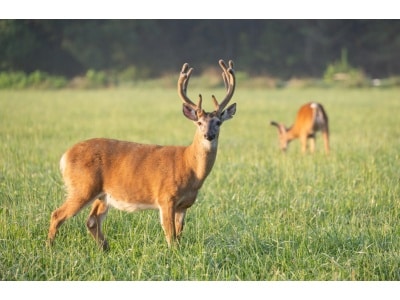
Wildlife & Habitat Support
Kentucky Bluegrass provides early-season forage for wildlife like elk, deer, and bighorn sheep, and its seeds feed songbirds and small rodents. While valuable for general habitat, its dense, aggressive growth can hinder native wildflower establishment, limiting its use in pollinator-focused plantings without active management.
Product Uses
Nutritious Forage
Kentucky Bluegrass is a highly palatable and nutritious cool-season forage, making it an excellent choice for livestock pastures. It provides abundant early spring and fall growth, crucial for extending the grazing season for cattle, sheep, goats, and horses. With proper rotational grazing management, this grass can maintain high productivity and persistence, supporting healthy animal weight gain and milk production.
Stabilizing your Land
The dense, sod-forming nature of Kentucky Bluegrass, supported by its extensive rhizome system, makes it highly effective for stabilizing soil and preventing erosion. It is widely used in conservation applications such as waterways, field borders, steep banks, and critical areas around ponds. Its ability to create a robust, interwoven root mat helps to bind soil particles, significantly reducing runoff and protecting valuable land.
Beautiful and Easy
For landscapes where a pristine, constantly green appearance is not the sole objective, Kentucky Bluegrass offers significant low-maintenance potential. It can survive extended dry periods by entering dormancy, turning brown but regreening with moisture. This characteristic, combined with its ability to thrive with less frequent mowing in functional areas, allows for reduced water and input requirements, making it a sustainable choice for certain applications.
Wildlife and Pollinator Friendly
Kentucky Bluegrass provides valuable forage and habitat for various wildlife species. Its tender leaves are grazed by animals like elk and deer, serving as an important food source, particularly in Western regions during winter. Additionally, the seeds produced by the grass are consumed by numerous songbirds and small rodents, contributing to the local food web. It offers general ground cover and sustenance, enhancing biodiversity in managed landscapes.
Helpful Resources
Pasture Seed Planting Guide
Questions & Answers
What is Kentucky Bluegrass and why do landowners choose to plant it?
Kentucky Bluegrass (Poa pratensis) is a cool-season perennial grass native to Europe, widely naturalized across North America. Landowners choose it for its versatility and robust performance. It forms a dense, dark green sod, making it ideal for lush lawns, durable athletic fields, and effective erosion control. Its high palatability also makes it a valuable forage for livestock, and it provides habitat and food for various wildlife. It is particularly valued for its excellent cold tolerance and ability to survive droughts by entering dormancy.
How does Kentucky Bluegrass perform as forage, and is it suitable for grazing animals?
Kentucky Bluegrass is an important and highly palatable forage species, well-suited for grazing animals such as cattle, sheep, goats, and horses. It provides significant early spring and fall growth, which helps extend the grazing season. While it may produce lower yields compared to some other pasture grasses, it can be very productive and persistent under intensive rotational grazing systems. Proper grazing management, including allowing adequate rest periods and maintaining a specific residual height, is crucial to maximize its forage quality and ensure the long-term health of the pasture.
What are the best practices for planting Kentucky Bluegrass seed?
The optimal time to plant Kentucky Bluegrass is late summer to early fall (typically August 15 – September 30), as this period offers warm soil temperatures, moderating air temperatures, and reduced weed competition. Spring planting (late March or April) is also possible, but can be more challenging. For new lawns, a seeding rate of 1-3 lbs. per 1,000 sq. ft. is recommended, while overseeding existing lawns requires 0.5-1.0 lbs. per 1,000 sq. ft. Seeds should be planted at a shallow depth of ¼ inch and require consistent moisture (2-3 times per day) for the first two weeks to ensure successful germination, which typically occurs within 10-21 days.
How does Kentucky Bluegrass handle water and drought conditions?
Kentucky Bluegrass prefers moist, well-drained soils for active growth and maintaining a vibrant green color, typically requiring about 1.5 inches of water per week during hot weather. However, it exhibits remarkable drought resilience by entering a dormant state during extended dry periods. While the grass may turn brown, its extensive rhizome system allows it to survive severe droughts and rapidly regreen once moisture returns. This dormancy mechanism is a key survival strategy, making it a water-saving option if a temporarily brown lawn is acceptable. Some cultivars are also bred for enhanced active drought resistance.
What are some tips for managing Kentucky Bluegrass pastures for optimal grazing?
To optimize Kentucky Bluegrass pastures for grazing, implement a rotational grazing system. Begin grazing when the grass reaches approximately 5 inches tall and ensure livestock are removed when the pasture is grazed down to 1.5-2 inches. This practice allows for adequate regrowth and helps maintain sod health, preventing weed invasion and promoting higher yields over time. Regular clipping of pastures can also reduce parasite loads and encourage fresh growth. Soil testing and appropriate fertilization, especially with nitrogen, are also important for maintaining vigorous stands.
Can Kentucky Bluegrass be used for ornamental lawns or general landscaping?
Absolutely. Kentucky Bluegrass is a top choice for ornamental lawns and general landscaping due to its fine leaf texture, attractive dark green color, and ability to form a dense, uniform sod. It creates a beautiful, soft, and comfortable surface, ideal for residential yards, public parks, and recreational areas. Its excellent wear tolerance and unique self-repairing ability, facilitated by its spreading rhizomes, ensure that it can withstand moderate foot traffic and recover effectively from damage, maintaining its aesthetic appeal.
Still Have Questions?
Our seed experts are ready to help you find the perfect seed for your project.
1-866-322-7300 Ask a Seed ExpertCustomer Reviews
See what real customers are saying. All reviews are collected and verified by Shopper Approved, an independent third party.