Quality Highlights
| Every Seed Grows We don't pad bags with dead seed or filler. What's in the bag is what grows in your yard. | |
| Independently Tested, Every Batch Each lot is tested by a third-party lab for germination and purity before it ships to you. | |
| Grown on American Farms Our seed comes direct from U.S. growers we know personally — not a middleman warehouse. | |
| Clean Seed, No Shortcuts No coatings to inflate weight, no GMOs, no cheap filler species. Just seed. |
Free shipping on all orders under 125 lbs!
Pasture Seed
Check your ZIP code to know if this seed works for you
Buffalograss Seed
Sundancer variety - Bouteloua dactyloides | SKU: PG-BUDA
Supported Species:
- Cattle
- Poultry
- Sheep
- Goats
- Horse
- Bison
- Alpaca/Llama
Planting Aids for your Seed
What is Buffalograss?
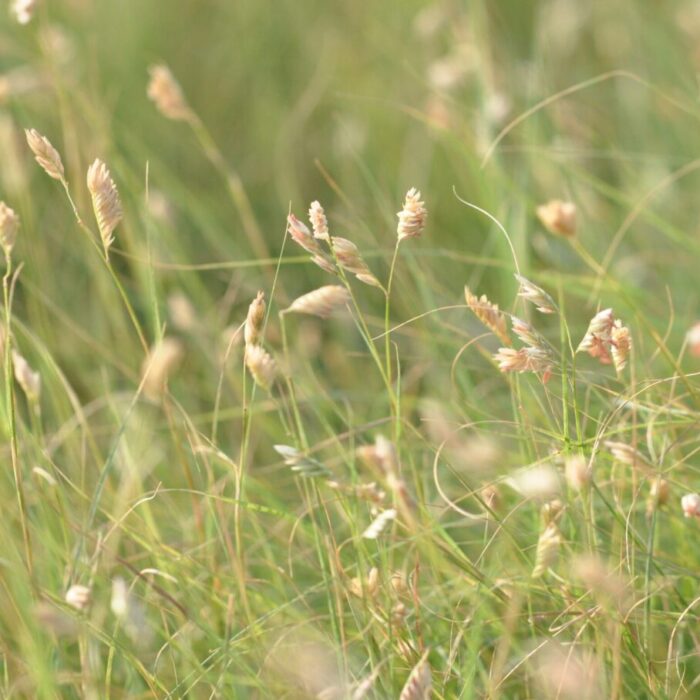
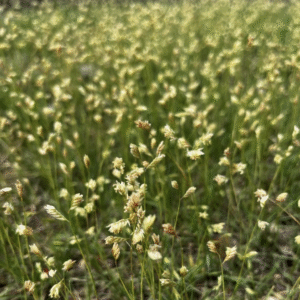
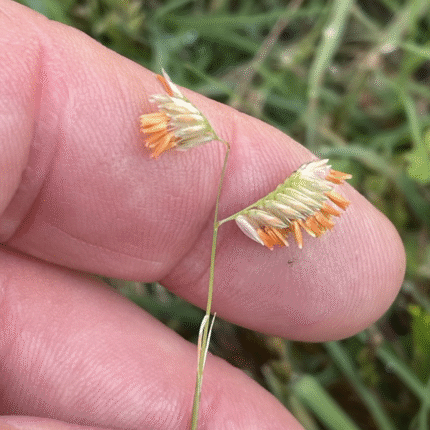
Sundancer Buffalograss (Bouteloua dactyloides) is a native warm-season prairie grass prized by ranchers for its drought tolerance and high forage value. It thrives on as little as 15–30″ of rain and forms a low, dense sod that requires minimal care. Cattle, sheep, goats, and other livestock readily graze its nutritious foliage (retaining quality even when cured). Ideal for Great Plains and Southwestern drylands, buffalograss also supports wildlife and resists erosion.
Specifications
Seeding Specs
Water Needs
Very low (thrives on 15–30″ precipitation)
Soil Preference
Well-drained loam/clay
Soil pH
~6.0–7.5
Planting Depth
½ inch
Establishment Specs
Height
4–6 inches
Color
Blue-green foliage (turns straw-color in dormancy)
Uses
Agricultural Conservation, Cover Crop
Native/Introduced
Central North America (Great Plains shortgrass prairies)
Why Choose This Seed?
Drought Resilience
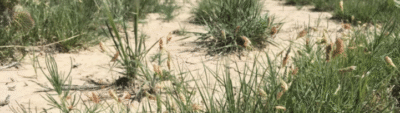
As a native shortgrass prairie species, buffalograss excels in droughty, low-fertility soils. It naturally thrives on 15–30″ of rain. During dry spells, it dies back and stores reserves in its deep root system (extending 4–6′ deep), recovering quickly with rain. This makes it ideal for dryland ranching where water is scarce.
Grazing Tolerance
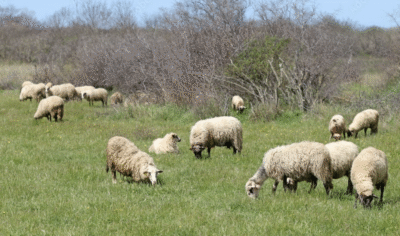
Buffalograss is extremely resistant to heavy grazing and trampling. It often increases its proportion in a pasture under grazing. Livestock of all kinds consume it eagerly – it stays green late into fall, and its nutrition remains high even when cured. Rotational or conservative continuous grazing allows buffalograss to recover and accumulate energy in its reserves, sustaining productivity.
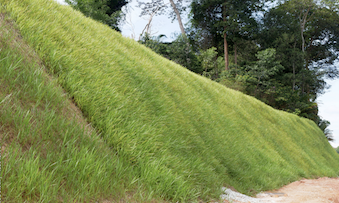
Erosion Control & Soil Health
Forming a dense, mat-like turf, buffalograss is a powerful ally against erosion. Its abundance of fine roots binds soil particles, preventing wind and water erosion on plains and slopes. This dense sod also suppresses weeds and traps organic matter, improving soil health on ranchlands or reclamation projects.
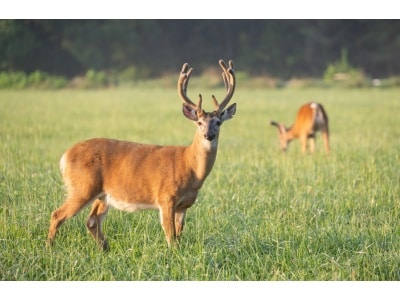
Wildlife Habitat
Buffalograss is native to prairie ecosystems. It provides forage and cover for deer, pronghorn, bison, and ground-nesting birds. Its seedheads and leaf litter feed grasshoppers and butterflies (e.g., the green skipper). Including buffalograss in a pasture or restoration mix helps recreate native habitat and benefits biodiversity.
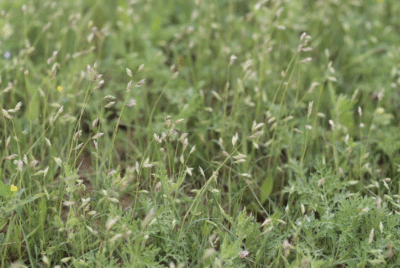
Native Restoration & Mixing
A keystone shortgrass species, buffalograss is ideal in native mix seedings. Its short stature allows co-planted wildflowers (purple coneflower, asters, milkweeds, etc.) to flourish without competition. It is often included in pollinator and prairie restoration mixes, helping establish sustainable rangelands that resemble historic Great Plains prairie.
Product Uses
Great for Livestock
Buffalograss is a proven forage grass for cattle, sheep, goats, and other grazers. Its high palatability and resistance to heavy grazing make it a favorite for ranch pastures. As a warm-season grass, it fills in the summer forage gap and even provides usable grazing late into fall.
Restores the Soil
The dense sod and fibrous roots of buffalograss hold soil on slopes and degraded lands. It’s used in range rehabilitation and riparian buffers to stabilize soil without chemicals. Forming a tight turf that prevents runoff and dust storms on overgrazed or disturbed sites.
Low input
Ideal for low-use lawns and acreage around ranch buildings, buffalograss requires almost no fertilization or frequent mowing. Its uniform turf stays attractive in summer with minimal watering. It also tolerates wear, making it suitable for pasture paths or farmstead lawns.
Ornamental Value
With its fine texture and blue-green color, buffalograss offers an attractive native alternative to nonnative turf. It stays shorter and requires little care, highlighting adjacent wildflowers or native plantings. Buffalograss turf “frames” a water-wise landscape with a natural look.
Native Restoration
Used extensively in prairie restoration and native range reseeding, buffalograss helps rebuild resilient grasslands. Its compatibility with wildflowers and tolerance of poor soils make it a go-to choice for conservation plantings in the Great Plains and Southwest rangelands.
Helpful Resources
Pasture Seed Planting Guide
Questions & Answers
What is buffalograss and why plant it on a ranch?
Buffalograss (Bouteloua dactyloides) is a warm-season perennial native to the North American shortgrass prairie. Ranchers plant it for its excellent forage quality and extreme drought hardiness. It provides nutritious grazing for livestock in midsummer, when cool-season grasses struggle, and survives on minimal rainfall.
Is buffalograss good forage for cattle and sheep?
Yes. Buffalograss is highly palatable and maintains good nutrition throughout the season. Cattle, sheep, goats, and even horses will graze it readily. Its protein and digestibility are generally high when green, and the cured forage remains better than many other grasses.
How do I plant buffalograss seed?
Prepare a firm, weed-free seedbed. Seed to ½″ depth with a drill or broadcast (then rake lightly). Use about 8–20 lb/acre for pasture or 2–3 lb/1,000 ft² for a lawn. Plant in late spring or early summer after frost (soil >55°F) for best germination. Keep the soil moist until seedlings emerge in 7–21 days.
How does buffalograss handle drought?
Buffalograss thrives in arid conditions. Native plants grow on as little as 15″ of rain per year. In extreme drought, it will go dormant and appear brown, but its deep roots survive until moisture returns. It typically rebounds rapidly after summer rains, making it reliable in dryland grazing systems.
What grazing management works best with buffalograss?
For new stands, avoid grazing the first year. Once established, rotational or light continuous grazing works well. Buffalograss can tolerate intense grazing (often increasing in grazed pastures). Still, rest periods allow it to refuel. Maintain grass height above ~2–3″ to protect crowns.
Can buffalograss be used as a lawn?
Yes. It makes a fine, low-growing turf for low-traffic lawns. Buffalograss lawns need only occasional mowing (2–4″ height) and minimal fertilizer. However, remember it’s warm-season: it will brown out in fall/winter frost and green up the following spring. It is often used in arid-region lawns where conserving water is key.
Still Have Questions?
Our seed experts are ready to help you find the perfect seed for your project.
1-866-322-7300 Ask a Seed ExpertCustomer Reviews
See what real customers are saying. All reviews are collected and verified by Shopper Approved, an independent third party.