
Quality Highlights
| Every Seed Grows We don't pad bags with dead seed or filler. What's in the bag is what grows in your yard. | |
| Independently Tested, Every Batch Each lot is tested by a third-party lab for germination and purity before it ships to you. | |
| Grown on American Farms Our seed comes direct from U.S. growers we know personally — not a middleman warehouse. | |
| Clean Seed, No Shortcuts No coatings to inflate weight, no GMOs, no cheap filler species. Just seed. |
Free shipping on all orders under 125 lbs!
What is the Upland Game Mix
What's in This Mix
Buckwheat is a very fast?growing broadleaf that flowers and sets seed quickly, supplying soft, palatable seed and attracting insects useful to chicks and other wildlife while suppressing weeds between plantings.
Specifications
Seeding Specs
Establishment Specs
Why Choose This Seed?

Birds Feeding In Weeks, Not Months
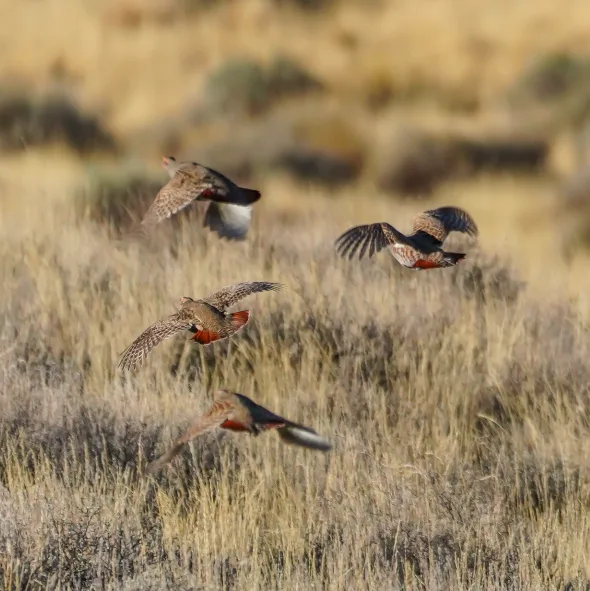
Bird season doesn’t wait around, and a food plot that takes all summer to get going is usually too late. With Upland Game Mix, pheasants and quail often start checking the plot within weeks because the millets come up fast and put out early, high-energy grain. Then the buckwheat carries the load as the weeks stack up, keeping fresh seed and leafy cover available so birds can feed and feel secure in the same spot from early season into fall, instead of sliding over to the neighbor’s field.
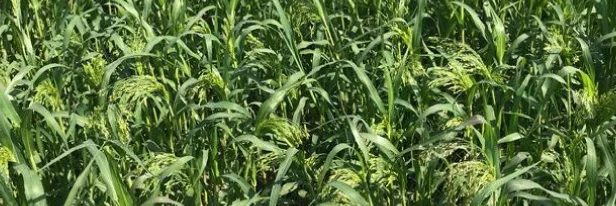
A Go-To Strip Birds Return To
A plot that only attracts birds for a day or two is basically a pit stop, not habitat. This mix is designed to become a “home strip” for pheasants and quail—thick, upright structure for hiding and loafing, plus a steady trickle of grain and buckwheat seed that keeps them feeding on your side of the fence. Once coveys get comfortable using it, they tend to circle back and hold in the area instead of wandering off when pressure or weather changes.
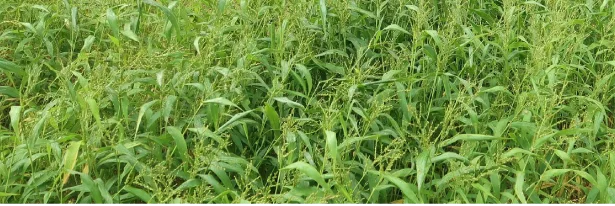
Turn Bare Ground Into A Bird Magnet
Your weedy, bare, or ignored corner doesn’t have to stay a dead zone for upland birds. Upland Game Mix is a simple three-plant blend that covers soil quickly, loads the plot with seed, and creates the kind of vertical and ground-level structure pheasants and quail like to move through. The millets shoot up with grain-heavy heads, while buckwheat fills the gaps, shades out a lot of competition, and adds its own attractive seed—so that empty ground starts hunting like a purpose-built bird field.
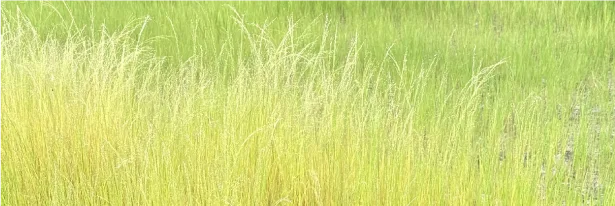
Season-Long Use, Not One-Time Peak
Unlike plots that hit a brief “perfect” window and then fade, this one is built to stay useful. Upland Game Mix staggers food and cover so the whole stand doesn’t mature and disappear at the same time, keeping birds working the same acreage from summer into fall. The two millets finish at slightly different times, stretching out seed availability and holding standing cover, and the buckwheat comes on fast, boosts insect activity for broods, then drops fresh seed as some millet heads start to weather. The end result is a plot birds can lean on—and you can hunt—through the season, not just for a couple weeks.
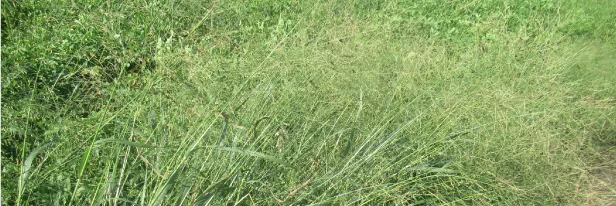
Big-Bird Action In Small Plots
Small plots can hunt incredibly big when they’re built with both groceries and cover, not just one or the other. This mix packs a lot into tight spaces so pheasants and quail don’t have to roam far—they can feed, hide, and loaf all in the same pocket. Millet seed heads at different heights give birds structure overhead, while buckwheat fills in down low, adds shade, and helps drive insect use that young birds key on. That’s why modest acreage can still produce consistent, predictable bird movement when it’s planted right.
Planting Guide
Prepare the Soil
Choose a full-sun spot where the plot gets at least 6-8 hours of direct sunlight each day.
Pick ground that drains well and avoid low, soggy areas where water stands after a rain.
Test soil pH if you can, and adjust toward 6.0-7.0 using lime (to raise pH) or sulfur (to lower pH).
Remove existing vegetation by mowing low, then tilling, disking, or spraying and waiting for it to die.
Work the soil 3-4 inches deep until clods are broken up and you have a loose, crumbly surface.
Rake or drag the area to smooth the surface so small millet seed can touch soil evenly.
Add a light, balanced fertilizer only if your soil is very poor or crops have been stunted in past years.
Avoid over-fertilizing with nitrogen, which can cause rank growth and lodging instead of sturdy cover.
Firm the seedbed just before planting by rolling, cultipacking, or driving equipment over it.
Check firmness by stepping on the soil; your boot heel should sink no more than about 1/2 inch.
Stop working the soil once it is smooth and firm; over-working can create dust and poor seed contact.
Plan to plant when the soil is warm; do not prepare the seedbed weeks ahead and let weeds take over.
Sow the Seeds
Wait to plant until late spring or early summer when soil temperature is at least 60F at 2 inches deep.
Check soil temperature in the morning with a soil thermometer; if it is below 60F, delay planting.
Set your seeder (broadcast or drill) for small seeds and test on a small area to confirm an even spread.
Aim for an average planting depth of about 1/2 inch to suit both the tiny millet seeds and larger buckwheat seeds.
If drilling, set the drill to place seed at about 1/2 inch and avoid going deeper than 3/4 inch.
If broadcasting, spread the seed evenly in one pass, then lightly drag or harrow the surface to cover seed.
Roll or cultipack after broadcasting to press millet seed into the soil and ensure good contact for all seeds.
Overlap passes only slightly so you do not create overly thick millet stands that shade out buckwheat.
Avoid planting into dry, fluffy soil; firm the soil first so seeds do not fall too deep.
Skip any pre-emergent herbicides; they will prevent millet and buckwheat from sprouting.
Water lightly after planting if rain is not expected within a day or two to settle soil around the seed.
Look for a lightly textured surface with no large clods and no visible seed on top when you finish.
Establishment
Watch for millet to sprout first, usually within 5-7 days in warm, moist soil.
Look for a fine, grassy carpet of millet seedlings about 1-1-2 inches tall in the first 7-10 days.
Expect buckwheat to emerge a bit later, usually within 7-10 days, with broad, heart-shaped leaves.
Check moisture daily in the first 2 weeks; if the top 1 inch of soil is dry, water lightly to keep it damp.
Avoid heavy watering that creates puddles or crusts the soil surface.
Walk the plot after 10-1-4 days and look for bare patches where neither millet nor buckwheat is coming up.
Spot-rake and re-seed thin or bare areas early, before weeds take over.
Monitor weeds starting in week 2; expect fewer weeds where buckwheat is thick and shading the ground.
Hand-hoe or lightly mow between rows or patches if tall broadleaf weeds begin to overtop the young crop.
Keep livestock, vehicles, and heavy foot traffic off the plot for the first 3-4 weeks to prevent uprooting.
Check plant height at 3-4 weeks; millet should be forming a dense grassy cover 8-1-8 inches tall.
Look for buckwheat to rise above the millet by 3-4 weeks with a leafy canopy starting to close over.
Reduce or stop watering once plants are well established and roots are holding soil firmly.
Expect millet seedheads and first buckwheat flowers to appear around 4-6 weeks after planting.
Know you are on track when you see a layered canopy: low grassy millet and taller, leafy buckwheat above.
Maintenance Long Term
Let the millet stand through late summer and fall so heads can fully fill and dry on the stalk.
Check millet heads; you will know they are ready when seeds are firm, dry, and do not dent easily with a fingernail.
Allow buckwheat to flower fully and set seed; look for brown, firm seeds on the plants by late summer.
Avoid mowing or disking while birds are actively feeding heavily on seed in late summer and early fall.
Leave the standing cover through fall and into early winter to provide both food and shelter for upland birds.
Walk the plot in winter; expect to see dry millet stalks still standing and some buckwheat stems breaking down.
Plan to lightly disc or shallow-till in late winter or early spring to mix residue into the top few inches of soil.
Set tillage equipment shallow so you do not bury future seed too deep or destroy soil structure.
Rotate your Upland Game Mix plots every 1-3 years to new strips or fields to reduce disease and pest pressure.
Watch crop vigor each year; tall, thick millet and lush buckwheat mean current fertilizer levels are adequate.
Increase fertilizer slightly before the next planting if plants were pale, short, or thin the previous season.
Avoid planting this mix year after year in the exact same narrow strip without rotation or residue management.
Replant each year once soil warms to at least 60F, following the same soil prep and seeding steps.
Check each new planting against the previous year; aim for similar or better stand density and cover height.
Adjust your planting date, seed rate, or fertilizer if you see repeated problems like weak stands or heavy weeds.
Helpful Resources
Attract Gobblers with Turkey Food Plots
Switchgrass: A Grass of Many Uses
Questions & Answers
Millet and buckwheat are popular in upland mixes because they establish quickly and provide reliable feed.. The millet produces lots of small, high-energy seeds that quail and pheasants love, and it grows thick and upright to create nesting and escape cover. The buckwheat sprouts fast, helps shade out weeds, and adds soft seeds that birds will scratch for in late summer. If you want a simple, reliable mix that holds birds on your property, this millet-and-buckwheat blend is a strong, proven choice.
Millet and buckwheat work together by giving upland birds a mix of food and cover that keeps them in your plot instead of just passing through. Millet provides tall stems and plenty of seed heads that birds feed on from summer into fall, while buckwheat comes up quickly to shade the soil, fight weeds, and add soft, easy-to-eat seeds. Together, they create a thick, sheltered area where birds can feed, rest, and hide from predators all in one place. This combination makes your property more attractive than nearby fields that only offer food or only offer cover.
Yes, a millet and buckwheat upland game mix works very well on small hunting properties because it packs a lot of food and cover into a small area. For steady bird activity, aim for at least 1/4 to 1/2 acre in one solid block or in a few connected strips; if you can go up to 1 acre, that’s even better. Millet will give you dense cover and plenty of seed, while buckwheat helps you start drawing birds in quickly after planting. Even on limited acreage, this mix can turn your place into a regular stop for pheasants, quail, and doves.
The best time to plant an Upland Game Mix with millet and buckwheat is in late spring to early summer, once your soil is consistently 60F or warmer. Planting in warm soil helps both millet and buckwheat sprout fast, grow thick, and produce lots of seed through summer and into fall. In cooler areas, plant just after your last frost date; in warmer areas, you can plant a bit earlier to stretch the feeding period. With the right timing, you’ll have strong cover for nesting and plenty of feed when birds need it most.
Millet and buckwheat in an upland game mix will usually provide good food and cover from mid-summer through late fall, and in many areas into early winter. Millet stands taller and lasts longer, giving birds seed and shelter later into the season, while buckwheat offers quick early cover and seed soon after planting. Some seed from both crops can drop and sprout the next year, but for best results you should plan to replant or lightly overseed each year. With yearly upkeep, this mix can become a dependable spot that brings birds back season after season.
To get a strong stand of millet and buckwheat, start with a firm, mostly weed-free seedbed and plant the seed shallow. Lightly till or disk the top few inches, then pack the soil so your boot only sinks in about half an inch, and plant the seed about 1/4 to 1/2 inch deep by broadcasting and cultipacking or using a drill. Planting too deep or into fluffy, cloddy soil makes it hard for these small seeds to come up and gives weeds an edge. With good seed-to-soil contact and the right depth, your mix will establish quickly and outcompete most weed pressure.
Still Have Questions?
Our seed experts are ready to help you find the perfect seed for your project.
1-866-322-7300 Ask a Seed ExpertCustomer Reviews
See what real customers are saying. All reviews are collected and verified by Shopper Approved, an independent third party.
