
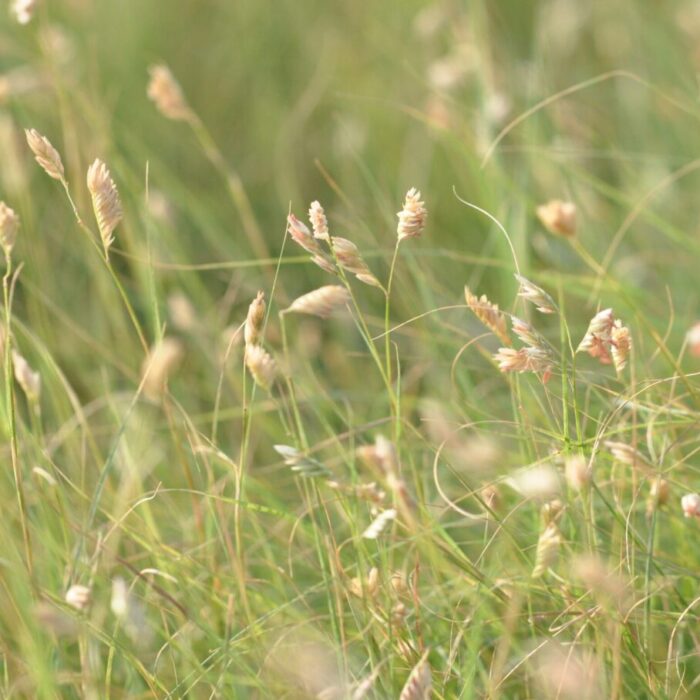
Drought Hardy
Low Growing
Transitional Zone Pasture Seed for Year-Round Grazing
The transitional zone presents unique forage challenges — hot, humid summers followed by cold winters limit your species options. Our transitional pasture blends combine the best of cool-season and warm-season forages to maintain productive grazing across all four seasons.
• Dual-season production — cool-season species and warm-season species complement each other year-round
• Tall Fescue (endophyte free) — versatile backbone species safe for all livestock, including pregnant mares
• Legume components — protein, palatability, and natural nitrogen fixation
• Adaptability — handles clay soils, variable rainfall, and temperature swings across the mid-Atlantic, upper South, and central US
• Versatile livestock use — formulated for horses, cattle, sheep, and goats
Each mix is designed by rangeland specialists and USDA-tested with no fillers and no GMOs. Browse our full pasture seed collection to compare northern and southern options. Free shipping on every order.
———
Frequently Asked Questions
Q: What makes the transitional zone different for pastures?
A: The transitional zone (roughly USDA zones 6-7) gets too hot for many cool-season forages in summer and too cold for warm-season species in winter. Successful pastures in this zone need a mix of both grass types to maintain productivity year-round.
Q: Why is endophyte-free Tall Fescue important for livestock?
A: Standard Tall Fescue contains a fungal endophyte that produces toxins linked to fescue toxicosis — causing poor weight gain, reduced milk production, and reproductive problems, especially in horses and cattle. Endophyte-free varieties eliminate this risk entirely.
Q: Can I achieve year-round grazing in the transitional zone?
A: With the right species combination, you can graze 10-12 months per year. Cool-season grasses (fescue, orchardgrass) provide spring and fall forage, while warm-season components fill the summer gap. Stockpiling fescue extends grazing into early winter.
Q: What livestock can graze transitional zone pastures?
A: Our transitional zone blends are formulated for all common livestock — horses, cattle, sheep, and goats. The endophyte-free Tall Fescue base ensures safety for all species, including pregnant mares.
Q: When should I plant transitional zone pasture seed?
A: Late summer (August-September) is the best planting window for transitional zone pastures. Cool-season species establish well in fall, and warm-season components can be interseeded the following spring once soil temperatures exceed 60 degrees F.
