Quality Highlights
| Every Seed Grows We don't pad bags with dead seed or filler. What's in the bag is what grows in your yard. | |
| Independently Tested, Every Batch Each lot is tested by a third-party lab for germination and purity before it ships to you. | |
| Grown on American Farms Our seed comes direct from U.S. growers we know personally — not a middleman warehouse. | |
| Clean Seed, No Shortcuts No coatings to inflate weight, no GMOs, no cheap filler species. Just seed. |
Free shipping on all orders under 125 lbs!
Pasture Seed
Check your ZIP code to know if this seed works for you
Timothy Grass Hay Seed
Phleum pratense | SKU: PG-PHPR
Supported Species:
- Cattle
- Sheep
- Goats
- Horse
- Bison
- Alpaca/Llama
Planting Aids for your Seed
What is Timothy Grass?
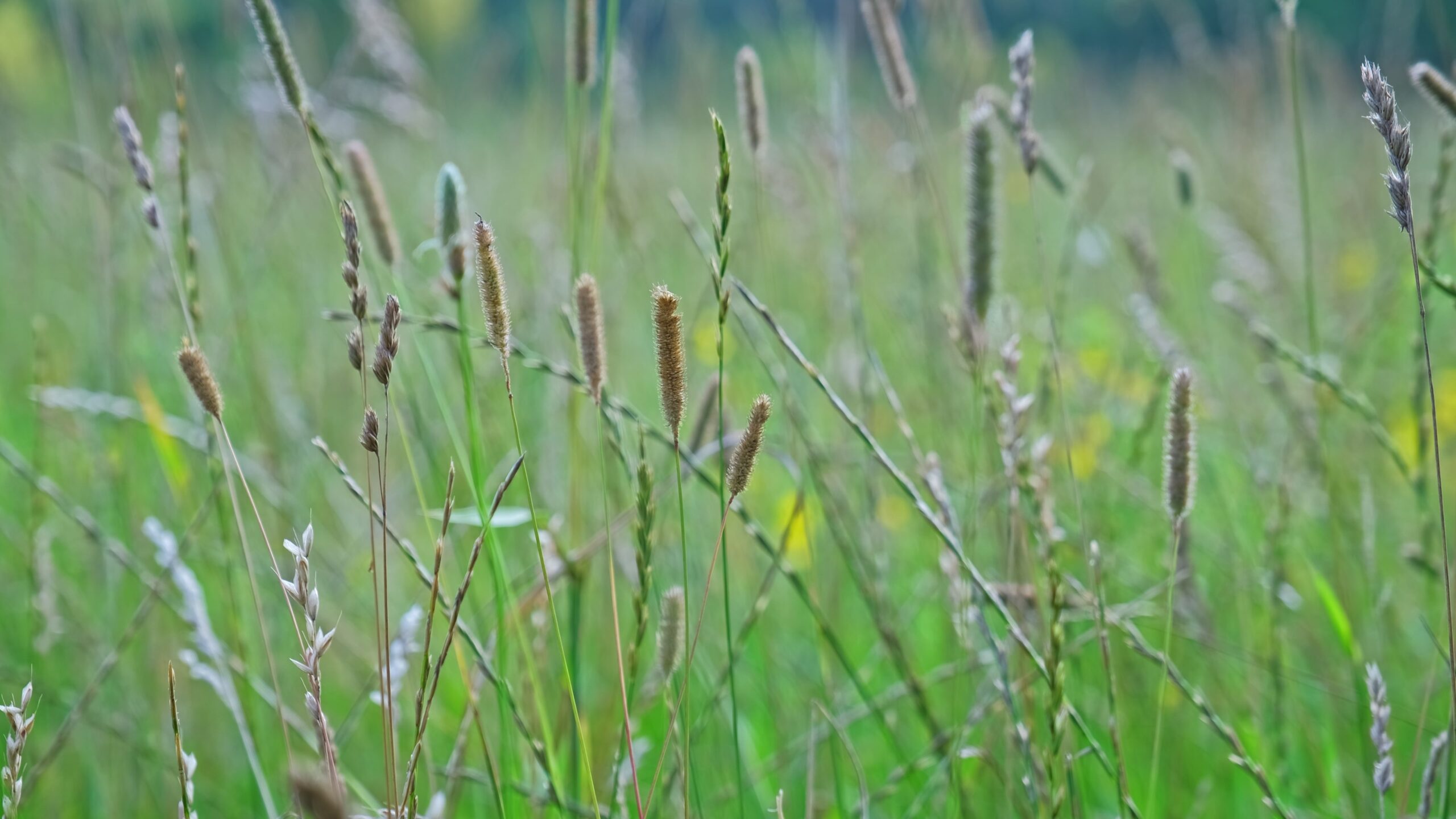
Timothy grass (Phleum pratense) is a cool-season, perennial bunchgrass prized primarily as a forage crop and for hay production. This easy-to-sow perennial bunchgrass thrives in well-drained soils, offering high fiber and steady growth in temperate climates. Perfect for horses, cattle, and sustainable pasture management.
Specifications
Seeding Specs
Water Needs
Moderate–High
Soil Preference
Well-drained, fine-textured soils
Soil pH
5.5–7.0
Planting Depth
1/4 to 3/4 inch
Establishment Specs
Height
~1.5–3 ft
Color
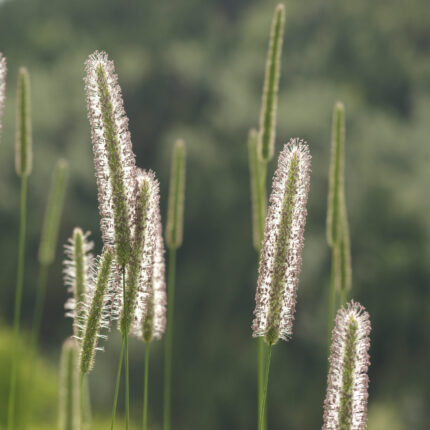
Green foliage; cylindrical seedheads tan to buff when mature.
Uses
Agriculture, Cover Crop, Erosion Control, Habitat Restoration, Land Reclamation
Native/Introduced
Introduced
Why Choose This Seed?

Thrives in Moist Soils
Timothy grows best in cool, moist climates and struggles in hot, dry conditions. Its shallow roots limit drought tolerance, and without consistent moisture or at least 18 inches of annual rainfall, its vigor and regrowth decline sharply. It’s not ideal for dry or low-rainfall areas.
Revives Disturbed Areas
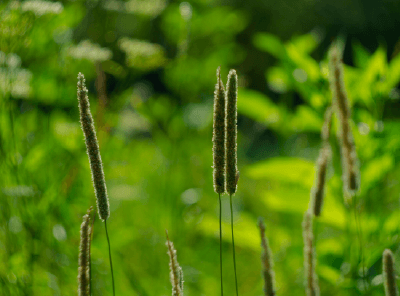
Timothy helps control erosion on moderate slopes with its dense clumps and fibrous roots. While not ideal for steep sites due to its shallow roots, it establishes quickly and is often used in conservation seedings—like filter strips, meadows, and ditches—alongside legumes and deeper-rooted grasses. It’s also effective for rapid cover on disturbed areas, including burn scars and clearcuts, to reduce erosion risk.
Grazing Resilience
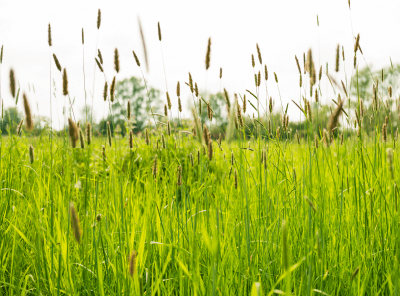
Timothy is well-suited for hay production, especially for horses. Timothy stores energy in a bulb-like base and has relatively slow regrowth, making it less tolerant of continuous heavy grazing than other grasses. It. To maintain stand health, cut before flowering and allow 2–3 weeks for recovery.
Wildlife Habitat
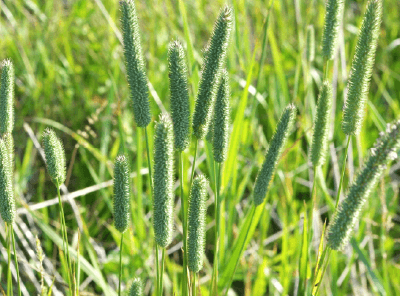
Timothy provides excellent habitat cover with its erect, tufted growth, making it ideal for nesting and brood-rearing by pheasants, wild turkeys, and waterfowl. Deer and elk will also browse it when available. It’s commonly included in wildlife and conservation seed blends to add structure and quick-establishing cover for various species.
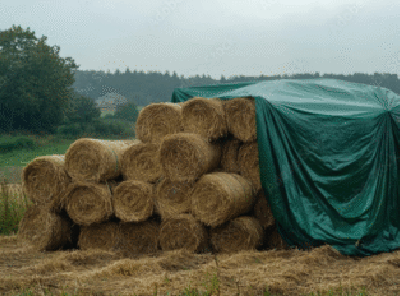
Ornamental Appeal
Timothy is valued for its graceful tufted form and distinctive cylindrical flower spikes. In summer, its tan seed heads sway above blue-green foliage, providing vertical interest in meadow-style gardens or low-maintenance pastures. In a mixed grass-and-wildflower landscape, it forms neat clumps, blending well with daisies and coneflowers.
Product Uses
Premier Hay Grass
Timothy is a premier hay grass. It produces high yields of palatable forage, especially favored in horse and dairy hay blends. Livestock (cattle, sheep, goats) and equines relish its leafy stems. In pasture mixtures, it is usually combined with legumes; because it is one of the least competitive grasses, it won’t crowd out clover/alfalfa. In practice, it’s often grown as pure hay or as a component of hay-legume stands.
Excellent for ground cover
Timothy’s clumping growth provides quick ground cover on disturbed soils. It is often used in critical-area seedings (e.g., buffer strips, roadside ditches, post-fire slopes) to reduce runoff. While its shallow roots limit use on very steep slopes, its fast establishment and dense canopy help filter sediment. It performs well in mixes with deeper-rooted grasses and legumes, contributing to long-term stabilization of banks and fields.
Easy to manage
For low-input landscape areas, Timothy offers easy-care grass cover. It tolerates average soils without much fertilization and reseeds itself in preferred sites. Because it is rhizome-free, it forms neat clumps and won’t overrun flower beds. Periodic mowing after seed set controls its spread. Its tolerance for some shade and cold means it can persist where warm-season turf fails. When left to mature, its attractive seedheads add texture and can even be used in dried floral arrangements.
Safe for Wildlife
Wildlife plantings use Timothy for cover and forage. Upland birds (pheasants, quail, turkeys) nest in its dense bunches, and it provides escape cover for small mammals. Deer and elk readily browse it when green. Game managers often seed it after fires or in grassland enhancements because it establishes cover quickly and is included in seed mixes for brood-rearing habitat.
Helpful Resources
Pasture Seed Planting Guide
Questions & Answers
What is Timothy grass and why is it commonly used?
Timothy (Phleum pratense) is a cool‑season perennial bunchgrass. It was introduced from Europe and is now widespread in the U.S., especially in cooler regions. It is used mainly for forage (hay and pasture) because it grows vigorously in spring, produces very palatable, leafy stems, and stores energy in its bulbous base for growth. It’s also used in conservation plantings and wildlife cover mixes thanks to its dense clumps and rapid establishment.
How good is Timothy forage and which animals prefer it?
Timothy makes high-quality forage with good fiber content. It is especially prized in horse hay (often called “timothy hay”) because of its leafiness and digestibility. Cattle and sheep also perform well on timothy forage. It is a nutritious grass for all classes of livestock and even provides late summer forage for deer and elk. In hay or pasture mixtures, it’s often paired with legumes (alfalfa, clover) since it doesn’t compete strongly with them.
How should I plant Timothy seed for best success?
For best stands, plant into a firm, weed-free seedbed in late summer or early fall (or early spring in northern areas). Broadcast or drill seed about ½ inch deep. Use roughly 8–10 lb/acre of pure timothy; if sowing in a mix (with clover or grasses), 4–6 lb/acre is typical. Ensure good seed-to-soil contact. Avoid planting timothy in hot, dry soil; soils should be moist to support germination. After sowing, keep pressure off the seedbed and wait 10–14 days for emergence (depending on temperature).
What are Timothy’s water needs and drought resistance?
Timothy prefers consistently moist conditions. It grows best where annual precipitation is ≥18–20 inches or when irrigation is available. It has a shallow root system and does not tolerate drought or heat stress. In dry years or regions, yields and regrowthf will drop without irrigation. Thus, it’s ideal for northern/meadow climates and irrigated pasture; in arid areas, more drought-tolerant grasses are usually recommended.
How should Timothy be grazed or mown?
Timothy should not be closely or continuously grazed. It stores reserves in its swollen base and regrows slowly, so allow plants to reach early flowering before cutting or grazing. A common practice is to graze or cut at early head emergence, then rest for 2–3 weeks before the next harvest. Avoid grazing it when very wet (to prevent damage). Frequent light grazing or hay harvests (2–3 per season) work if rest periods are observed. Overgrazing or grazing to ground level can weaken stands quickly.
Can Timothy be used ornamentally or as a lawn?
Timothy is not typically used as a formal turfgrass because it does not form a tight lawn and is not wear-tolerant. However, it is used ornamentally in naturalistic or “meadow” plantings. Its tidy clumps and attractive seedheads add height and texture to perennial gardens or wildflower meadows. Some small areas or low-mow lawns mix timothy with other low-growing grasses and broadleaves for a meadow effect. (Historically, it was included in early lawn mixes, but nowadays shade-tolerant fescues or native grasses are more common.) In landscaping, it is valued for its golden autumn color and for being nearly maintenance-free beyond an annual cut-back.
Still Have Questions?
Our seed experts are ready to help you find the perfect seed for your project.
1-866-322-7300 Ask a Seed ExpertCustomer Reviews
See what real customers are saying. All reviews are collected and verified by Shopper Approved, an independent third party.