Quality Highlights
| Every Seed Grows We don't pad bags with dead seed or filler. What's in the bag is what grows in your yard. | |
| Independently Tested, Every Batch Each lot is tested by a third-party lab for germination and purity before it ships to you. | |
| Grown on American Farms Our seed comes direct from U.S. growers we know personally — not a middleman warehouse. | |
| Clean Seed, No Shortcuts No coatings to inflate weight, no GMOs, no cheap filler species. Just seed. |
Free shipping on all orders under 125 lbs!
Pasture Seed
Check your ZIP code to know if this seed works for you
Tall Fescue Grass Seed
Festuca arundinacea | SKU: PG-FEAR2
Supported Species:
- Cattle
- Poultry
- Sheep
- Goats
- Bison
- Alpaca/Llama
Planting Aids for your Seed
What is the Tall fescue?
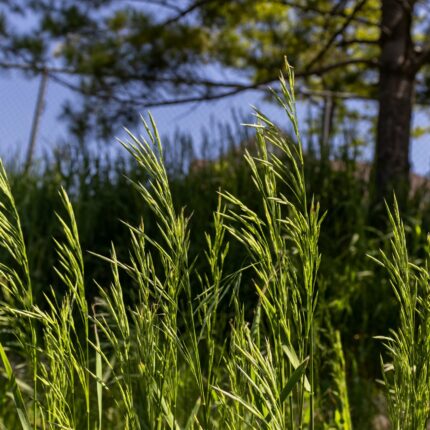
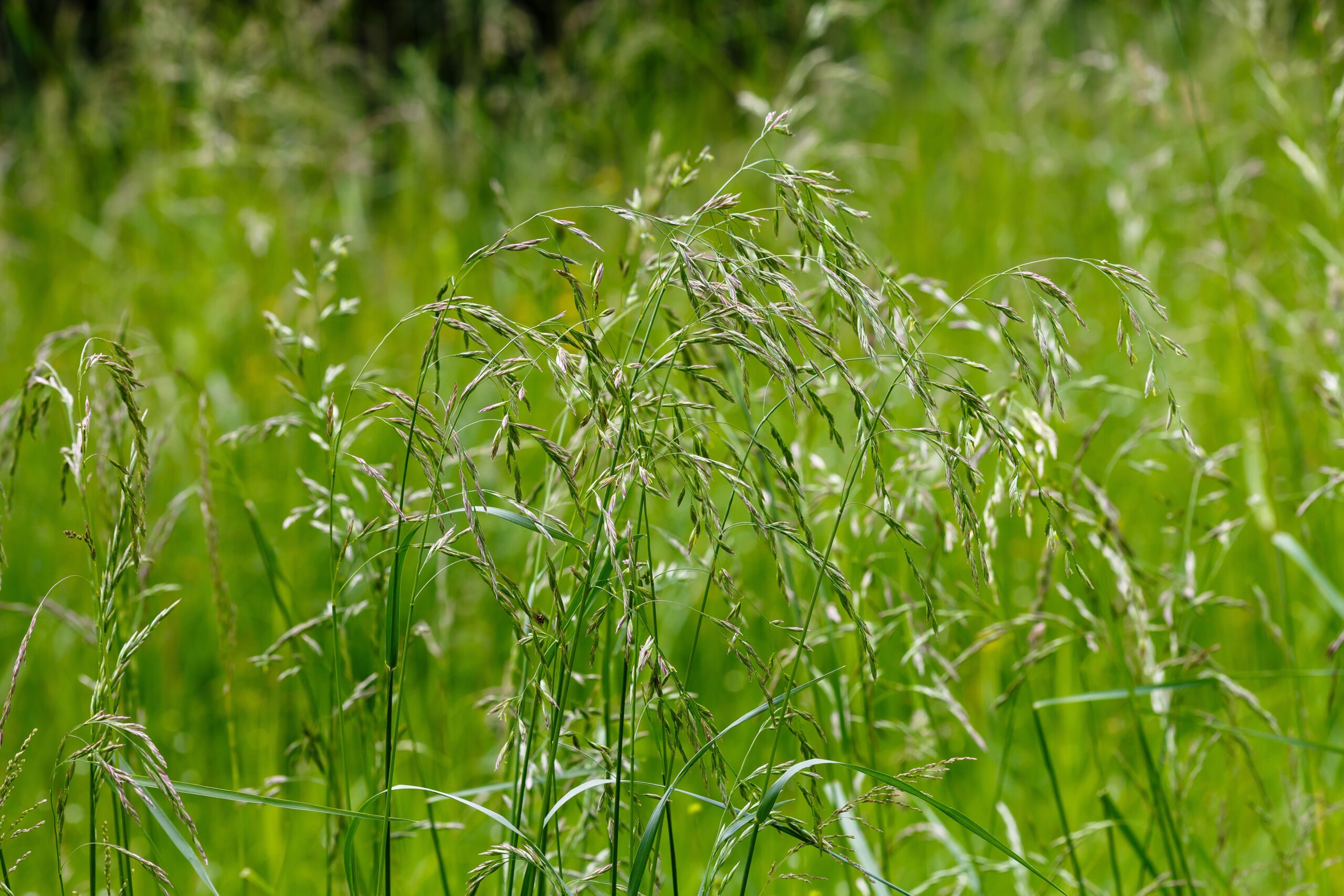
Tall fescue is a hardy cool-season perennial grass valued for its deep roots and resilience. It yields high-quality forage for pasture and hay across many U.S. regions (Midwest, Southeast, Northeast, Pacific NW) and stays green into fall. Extremely drought-tolerant and easy to establish, tall fescue provides a reliable, persistent grazing grass that withstands poor soils and summer heat.
Specifications
Seeding Specs
Water Needs
Moderate moisture (drought-tolerant; avoid soggy soils)
Soil Preference
Adapted to most soils (loam to clay)
Soil pH
5.5 – 7.0
Planting Depth
½ inch
Establishment Specs
Height
3–4 ft
Color
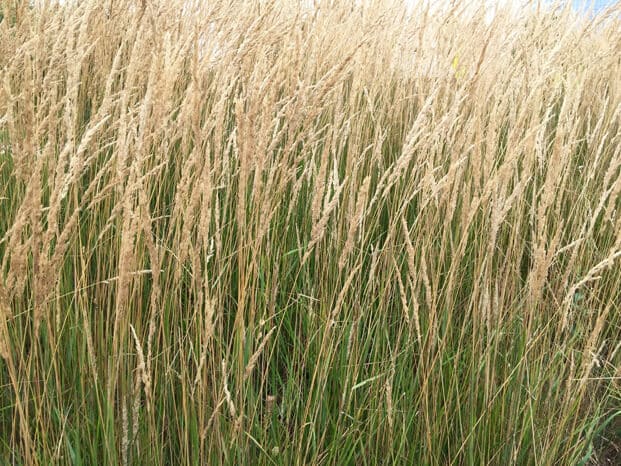
Dark green foliage; tan inflorescences when mature
Uses
Forage (pasture, hay), erosion control, soil stabilization, and general conservation planting
Native/Introduced
Introduced
Why Choose This Seed?

Drought Performance
Tall fescue’s extensive root system and deep crowns let it endure summer heat and drought far better than many cool-season grasses. During dry periods, it maintains green leaf tissue and regains vigor quickly after rain, making it a reliable choice for low-water environments.

Maintenance Needs
This species requires minimal input once established. It tolerates a range of soil conditions (even low fertility)and is fairly disease-resistant. It persists without frequent reseeding and grows with little care – in lawns or pastures, it persists with minimum care. Its resilience to neglect, mowing, and routine abuse reduces management costs.
Erosion Control
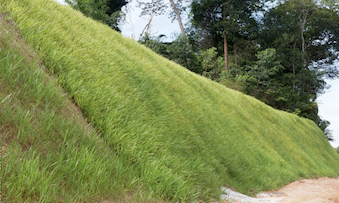
Tall fescue has deep, fibrous roots that form a robust sod that binds soil on slopes and open areas. Historically, it was widely planted as a forage and erosion control plant due to its adaptability and hardiness. It rapidly establishes and holds soil even under harsh conditions, making it ideal for conservation and stabilization plantings.
Grazing Resilience
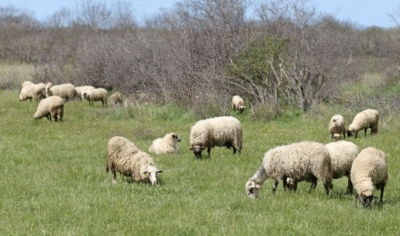
Once established, tall fescue withstands heavy grazing pressure. It has an unusually long grazing season, producing high yields in spring and even stockpiling forage into winter. It regrows vigorously after defoliation if not overgrazed, and animals can graze it through fall. Use endophyte-free or novel-endophyte cultivars for the best livestock performance.
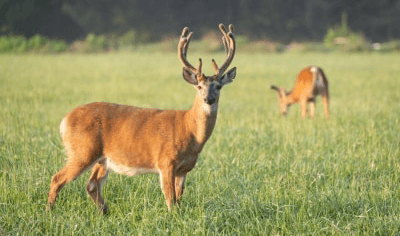
Wildlife/Pollinator Habitat
Dense fescue stands can offer protective cover and some seed for deer, upland birds, and small mammals.
Product Uses
Nutritious Forage
Tall fescue is a cornerstone pasture grass. It offers high yields of palatable forage for beef and dairy cattle, sheep, goats, and horses. Farmers value its long green season and ability to produce hay or graze in spring, fall, and even through mild winters. When managed with rotation, it provides consistent, nutrient-rich feed over many years.
Deep Roots
The strong sod and deep roots of tall fescue are excellent for stabilizing soil on banks, ditches, and reclaimed land. It establishes quickly to prevent erosion and withstands heavy rainfall. Many conservation programs use it for critical areas because it tolerates poor soils and abuse or neglect while providing cover.
Great for Cover Grass
As a turf or cover grass, tall fescue requires little care once up. It tolerates shade better than Kentucky bluegrass and needs less fertilizer to stay green. Its disease resistance and durability make it a practical choice for lawns, horse pastures, and low-input landscape areas where foot traffic is expected.
Bring the wildlife and the Pollinators
Tall fescue fields create dense cover that upland birds (like quail and pheasants) and some mammals can use for shelter. Gamebirds may feed on its seeds. However, pure fescue stands are not rich in flowers or insects for pollinators, so wildlife value improves when fescue is mixed with flowering plants or native grasses.
Helpful Resources
Pasture Seed Planting Guide
What You Need to Know About Endophyte Toxicity in Tall Fescue Pastures
Questions & Answers
What is tall fescue, and why should I plant it?
Tall fescue is a cool-season perennial grass widely used for forage and turf. It is hardy and deep-rooted, so it’s easy to establish and survives poor conditions. Growers plant tall fescue for its reliable, high-yield forage production and long persistence – it tolerates heat, drought, and shade better than many cool-season grasses.
How does tall fescue perform as forage for livestock?
It performs very well. Tall fescue yields abundant, high-quality feed in spring and fall. Livestock prefer it when fertilized properly. Cows, sheep, goats, and horses graze it actively, and it can be cut for hay. Stockpiled fescue (grazed after frost) provides valuable winter feed. Note: choose endophyte-free or novel-endophyte varieties to avoid animal toxicity issues.
What are the best planting instructions for tall fescue?
Plant in early spring or late summer/early fall for good establishment. Prepare a firm, smooth seedbed. Sow seeds shallowly (¼–½ inch deep). Recommended seeding is about 12–15 lb/acre in a pure stand or 6–10 lb/acre when mixed with legumes or other grasses. Keep soil moist during germination; seedlings emerge rapidly (within 1–2 weeks) and establish vigorous sod.
How drought-tolerant is tall fescue?
Tall fescue is noted for excellent drought resistance. Its deep root system allows it to access subsoil moisture, letting it survive dry spells that might stress other cool-season grasses. It also handles summer heat better than many cool-season varieties. Still, for best growth, provide moderate irrigation during prolonged droughts.
What grazing management tips apply to tall fescue pastures?
Allow fescue to reach 8–10 inches of growth before first grazing. Then rotate animals and avoid grazing lower than ~3 inches to prevent stand thinning. Because fescue regrows more slowly in hot midsummer, ensure adequate rest in that period. Tall fescue is persistent under grazing, but overgrazing weakens it. Managing fertility (nitrogen) according to soil tests helps maintain vigor.
Can tall fescue be used in lawns or as an ornamental grass?
While many turf cultivars of tall fescue exist and are popular in low-maintenance lawns, tall fescue forms clumps and has a coarser texture than fine fescue or bluegrass, so is not typically used in turf. In ornamental plantings, it’s mostly valued for texture or as a backdrop, not for showy blooms. Its foliage color and seedheads are modestly decorative.
Still Have Questions?
Our seed experts are ready to help you find the perfect seed for your project.
1-866-322-7300 Ask a Seed ExpertCustomer Reviews
See what real customers are saying. All reviews are collected and verified by Shopper Approved, an independent third party.