
Protein-Packed
Omega-3 Rich


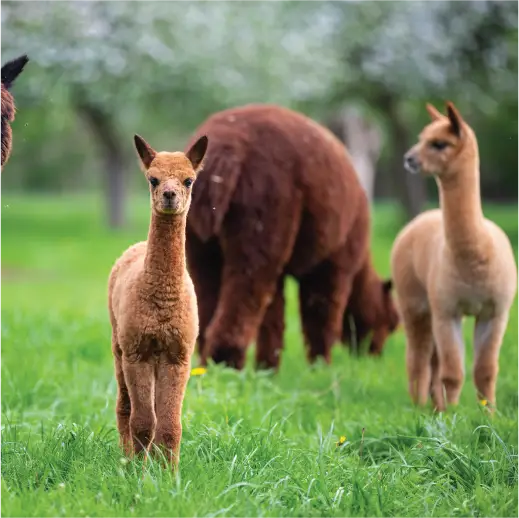
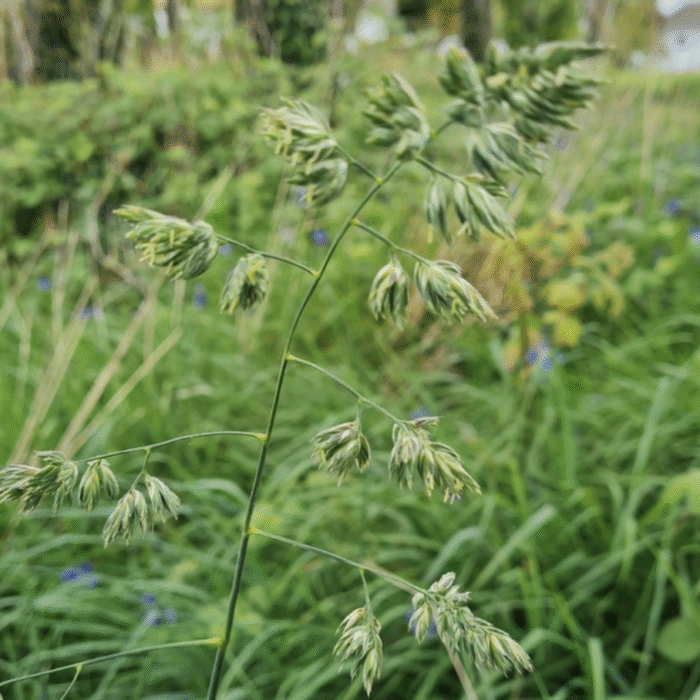
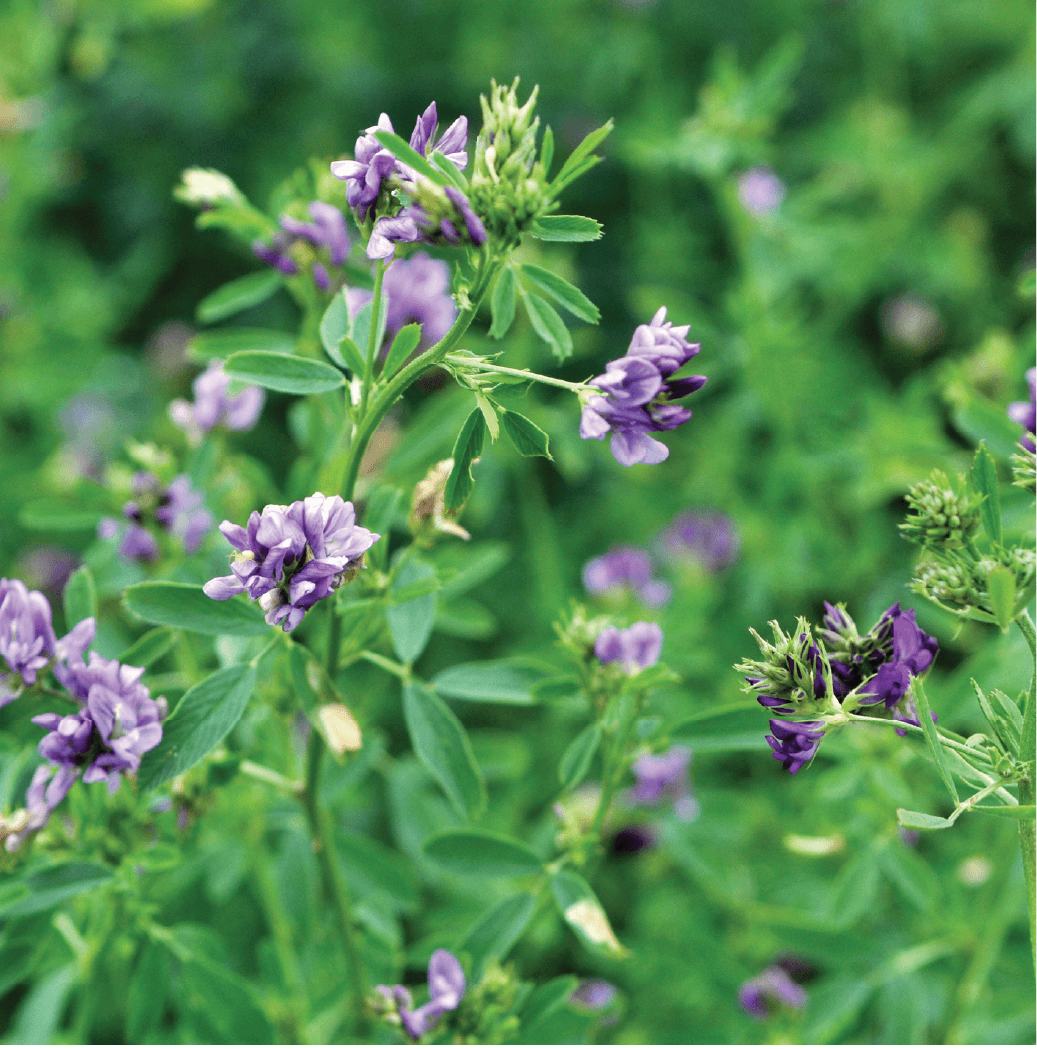

Southern US Pasture Seed for Warm-Climate Grazing
Southern pastures face long, hot growing seasons, periodic drought, and unique soil conditions. Our southern pasture blends use warm-season grasses and heat-tolerant legumes that produce high-quality forage even in the most demanding summer conditions.
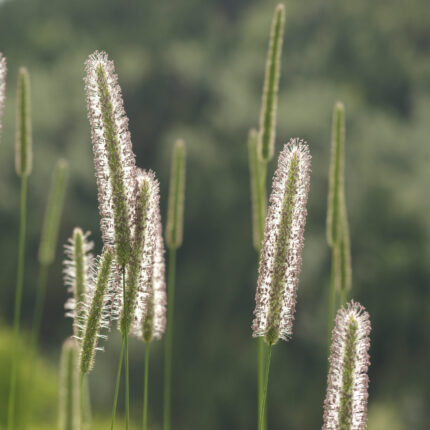
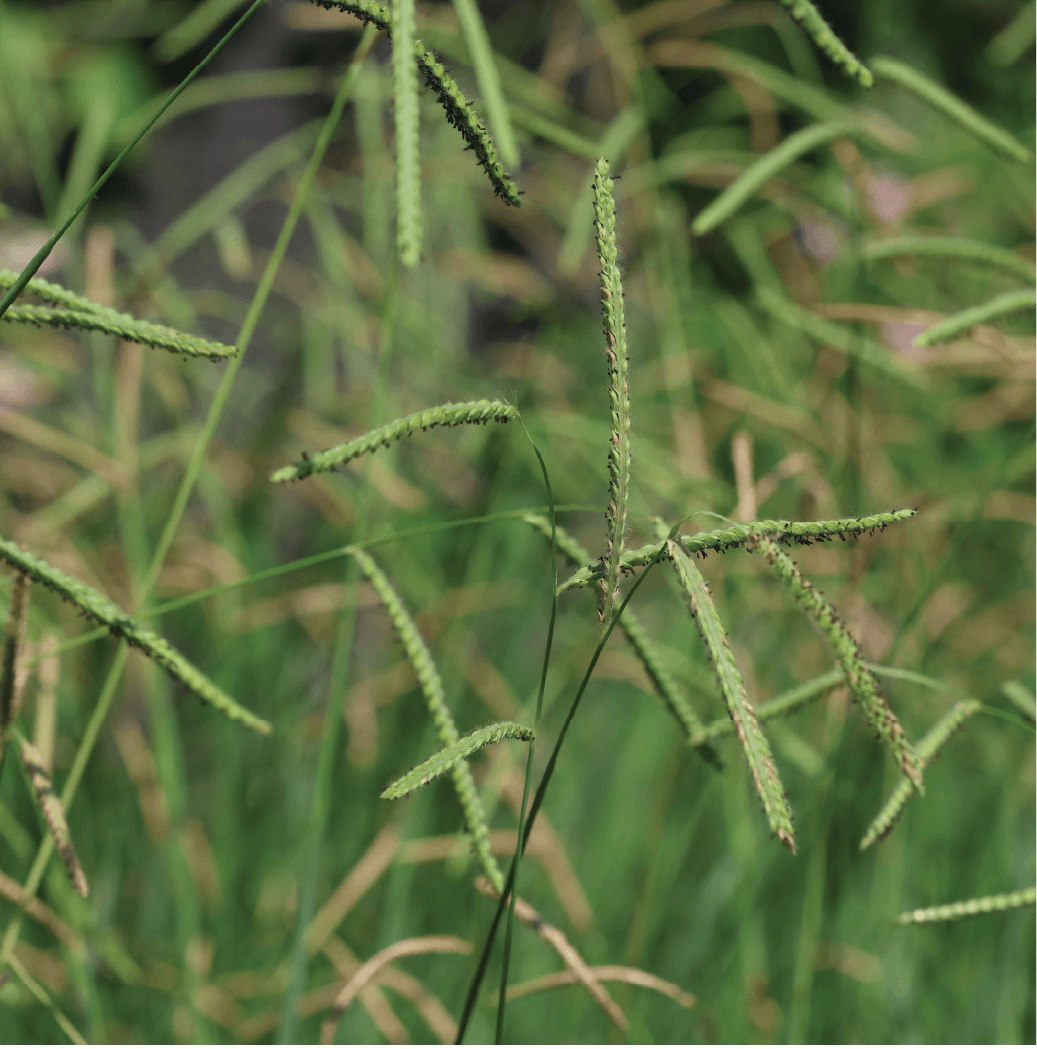
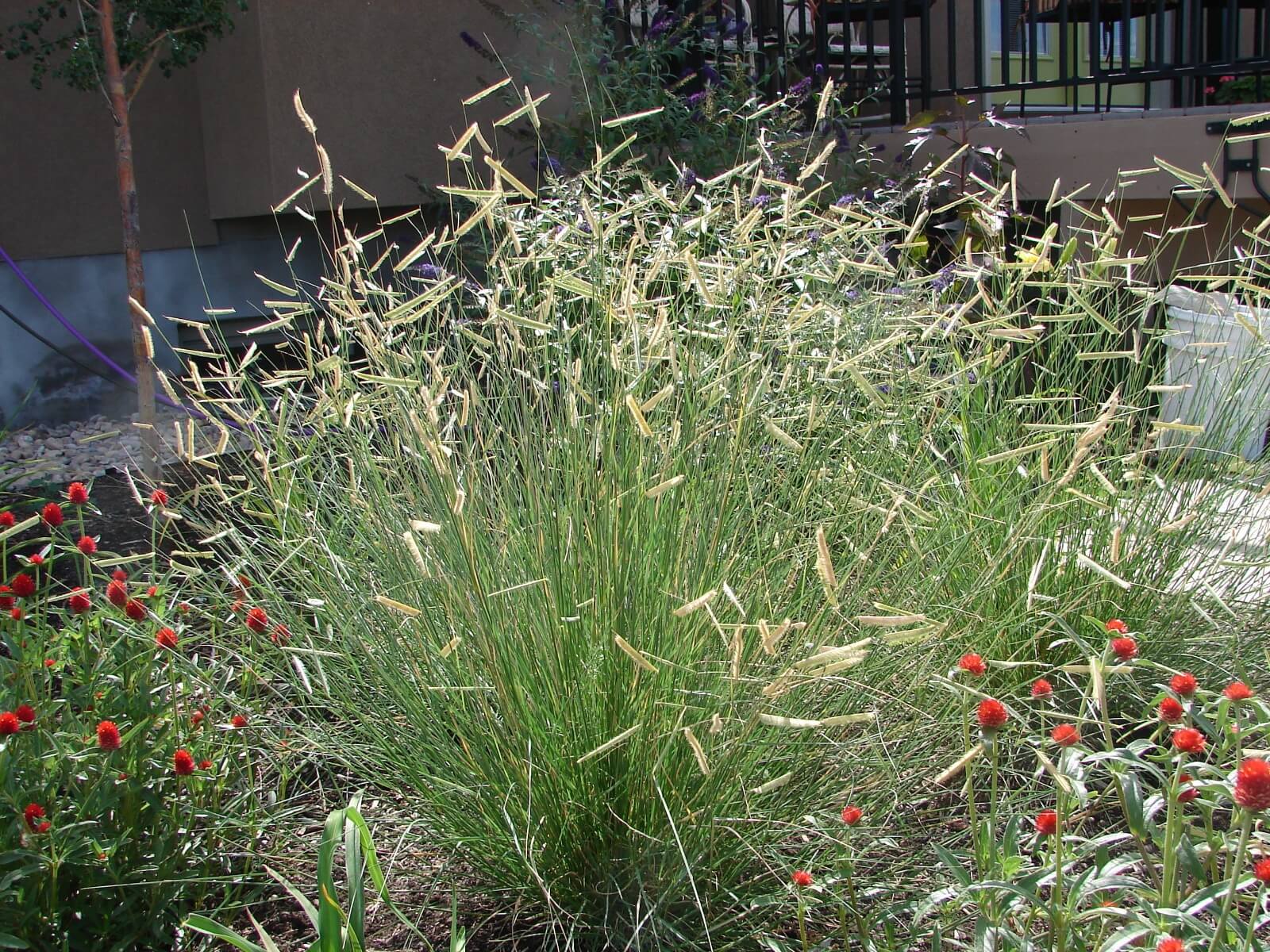
• Heat-adapted species — Bermudagrass, Bahiagrass, Crabgrass, and native warm-season blends that peak during southern summers
• Extended grazing season — productive forage from April through November
• Drought tolerance — deep-rooting species that maintain productivity when rainfall is scarce
• Legume components — crimson clover and lespedeza for protein and soil fertility
• Regionally formulated — designed by rangeland specialists for Gulf Coast, Deep South, Southeast, and Southern Plains conditions
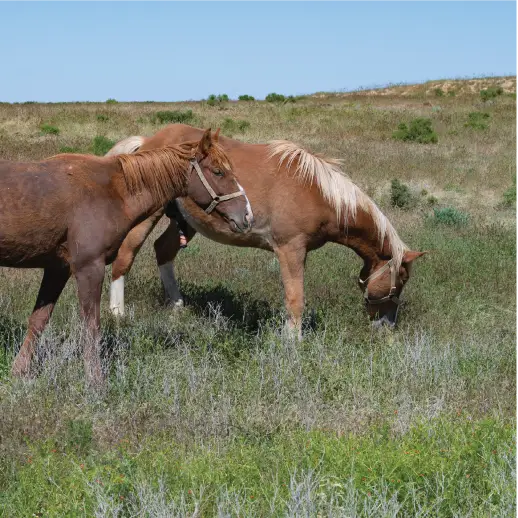
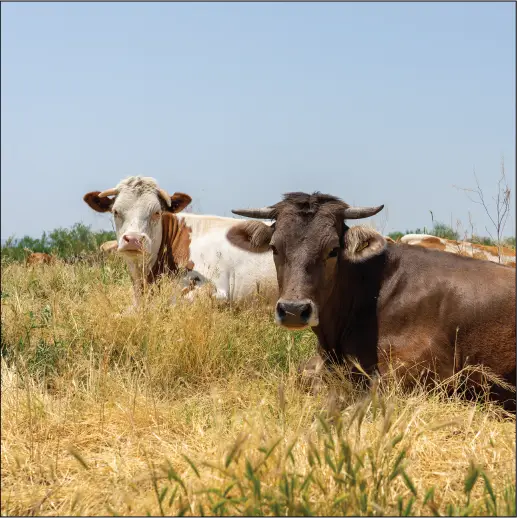
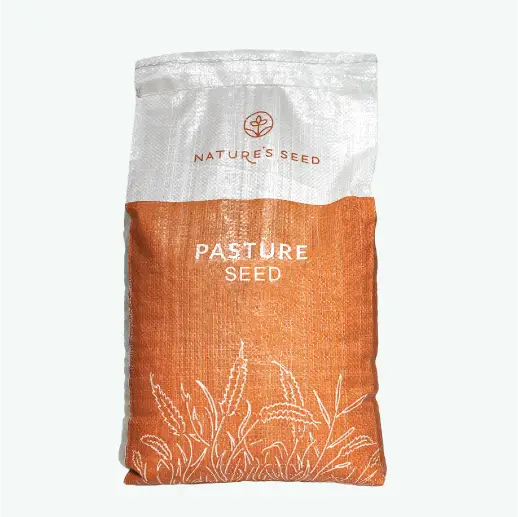
We carry blends for horses, cattle, sheep, and goats — all USDA-tested with no fillers and no GMOs. Browse our full pasture seed collection to compare northern and transitional zone options. For arid conditions, explore our drought-tolerant pasture seed. Free shipping on every order.
———
Frequently Asked Questions
Q: What is the best pasture grass for the southern US?
A: Bermudagrass is the most widely used warm-season pasture grass in the South due to its heat tolerance, grazing persistence, and high forage yield. Bahiagrass excels in sandy soils, and native warm-season grasses work well for extensive grazing operations.
Q: How long is the grazing season in southern pastures?
A: With the right species mix, southern pastures can produce forage from April through November — roughly 7-8 months. Overseeding warm-season pastures with cool-season annuals like ryegrass can extend grazing through winter.
Q: How do I manage southern pastures during drought?
A: Deep-rooting species like Bermudagrass and Bahiagrass maintain productivity longer during dry periods. Reduce stocking rates, increase rest periods between grazing rotations, and allow grasses to maintain 4-6 inches of height to protect root reserves.
Q: Should I include legumes in my southern pasture?
A: Yes. Warm-season legumes like crimson clover and lespedeza provide 15-20% crude protein, fix nitrogen to reduce fertilizer costs, and improve forage palatability. Our blends include regionally appropriate legume ratios.
Q: When should I plant southern pasture seed?
A: Plant warm-season pasture grasses in late spring (April-June) when soil temperatures are consistently above 65 degrees F. Cool-season overseeding (ryegrass, clover) should be done in early fall (September-October).
