Drought Hardy
Heat Tolerant
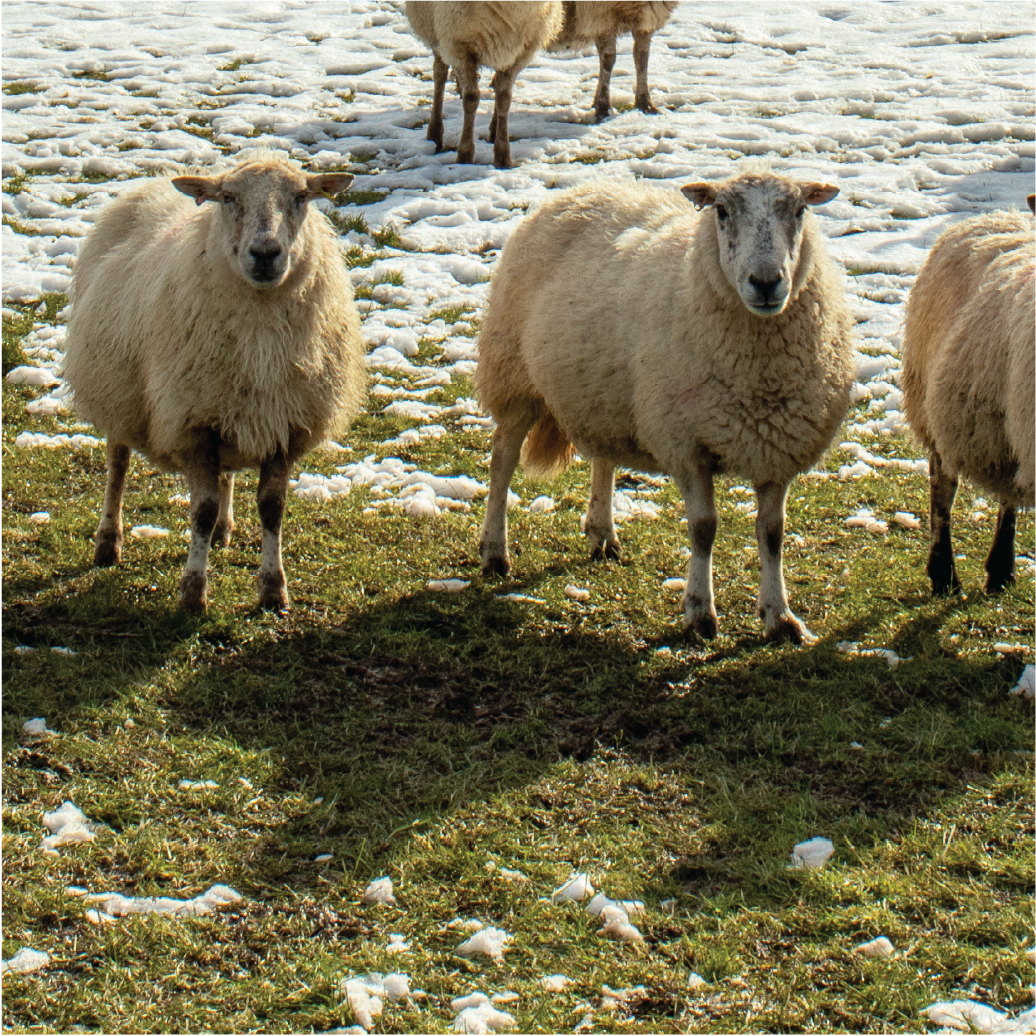
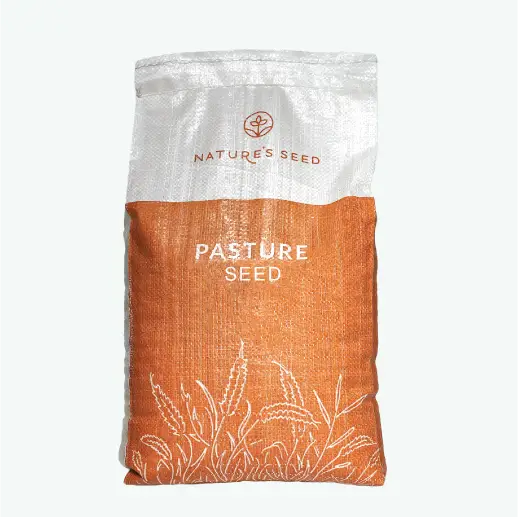
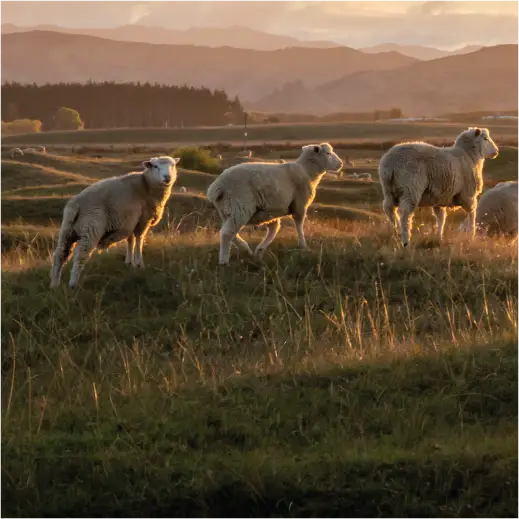
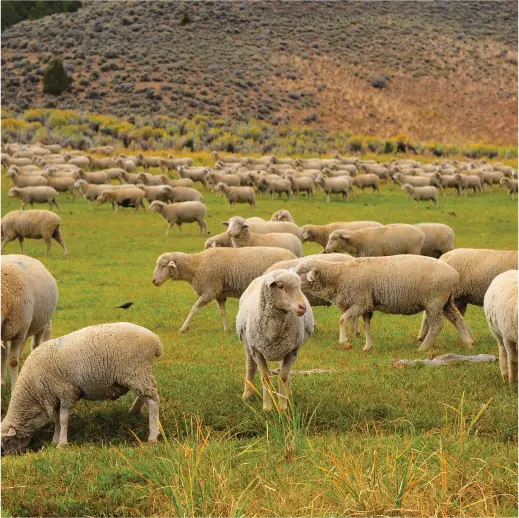
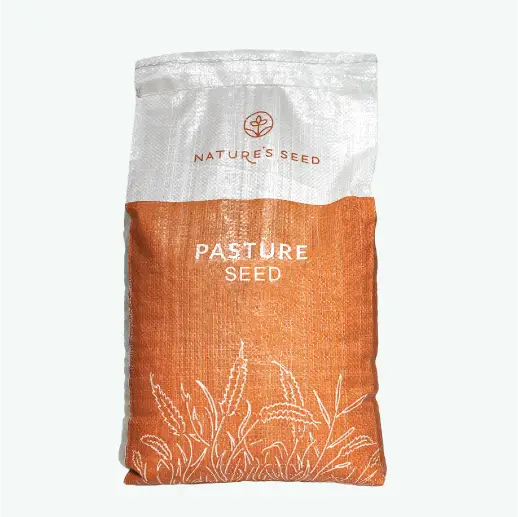
Sheep Pasture Seed for Nutrient-Rich Grazing
Raising sheep and lambs on pasture grass is not only natural — it’s economical. For thousands of years, farmers and ranchers have relied on pasture grass to provide nutrient-rich forage that cuts back on supplemental feed costs while keeping animals healthy and preventing digestive problems.
• Regionally designed — our rangeland experts formulated a blend for every region of the US, considering soil conditions, sun/shade preferences, heat tolerance, and water requirements
• Parasite-fighting forbs — includes birdsfoot trefoil and chicory, which studies have shown help control internal parasites in sheep and lambs
• Natural fertilization — legumes in every blend provide protein for your flock and nitrogen for your soil
• Optimized for growth — palatable, nutritious forage encourages constant grazing to help lambs reach optimum finishing weight and support lactating ewes
• Genetic attributes — species selected for nutrient content, grazing tolerance, and disease resistance
All sheep pasture seed is USDA-tested with no fillers and no GMOs. Browse our full pasture seed collection for blends designed for horses, cattle, and goats. Free shipping on every order.
———
Frequently Asked Questions
Q: How much pasture do sheep need?
A: A well-managed pasture typically supports 4-6 sheep per acre, depending on soil fertility, rainfall, and forage productivity. Rotational grazing helps maintain stand density and extends the grazing season.
Q: How does pasture help with parasite control in sheep?
A: Our blends include birdsfoot trefoil and chicory, which contain condensed tannins that studies have linked to reduced internal parasite loads in sheep. Combined with rotational grazing, quality pasture is a key component of integrated parasite management.
Q: What is the difference between sheep pasture seed and goat pasture seed?
A: Sheep are primarily grazers that prefer grasses and low-growing legumes, while goats are browsers that favor broadleaf forbs. Our sheep blends emphasize palatable grasses and clover, while goat blends include more forbs and shrub-like species.
Q: Can sheep pasture seed help lactating ewes?
A: Yes. Our blends include high-protein legumes that support milk production in lactating ewes. Nutrient-dense pasture forage also helps lambs reach optimum finishing weight faster, reducing time to market.
Q: When should I plant sheep pasture seed?
A: Cool-season pasture species establish best in early fall or early spring. Warm-season species should be planted in late spring when soil temperatures exceed 60 degrees F. Regional blends are timed for your local growing season.