
Quality Highlights
| Every Seed Grows We don't pad bags with dead seed or filler. What's in the bag is what grows in your yard. | |
| Independently Tested, Every Batch Each lot is tested by a third-party lab for germination and purity before it ships to you. | |
| Grown on American Farms Our seed comes direct from U.S. growers we know personally — not a middleman warehouse. | |
| Clean Seed, No Shortcuts No coatings to inflate weight, no GMOs, no cheap filler species. Just seed. |
Free shipping on all orders under 125 lbs!
Sandhills Pasture Prairie Mix
SKU: PB-SHPR
What is the Sandhills Prairie Mix?
The open, sandy stretches where ordinary seed gives up, but nature’s own still thrives.
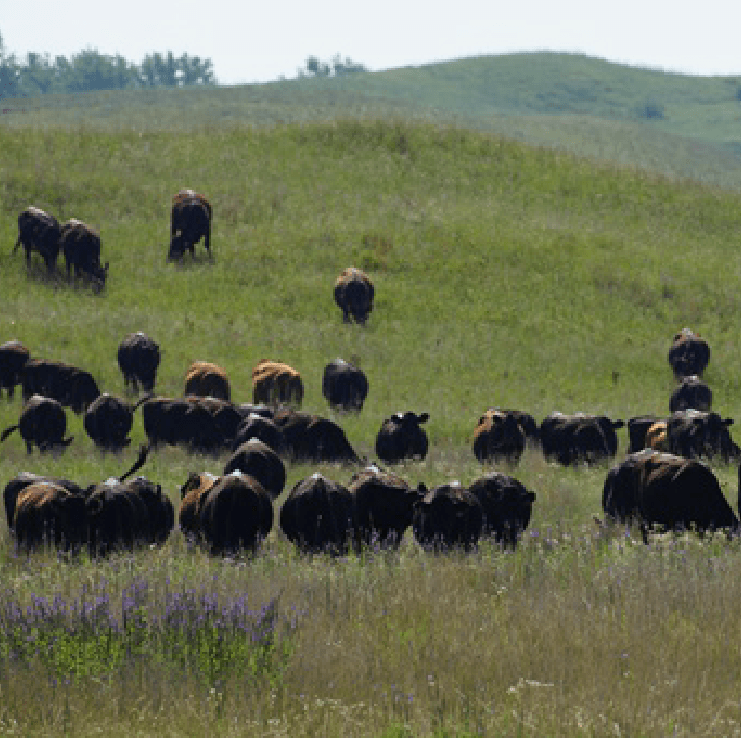
This native blend was built for sandy loam to very sandy soils, where moisture is fleeting and organic matter runs thin. Each species in the mix is chosen for its ability to hold its ground — literally — sending roots deep where others can’t. The result is a prairie that’s both tough and breathtaking, with shifting colors, graceful seed heads, and the kind of quiet endurance only native grasses can offer.
Ideal for reclamation, erosion control, wildlife habitat, and natural landscaping, Sandhills Prairie Mixture doesn’t just grow — it restores balance between soil, sun, and sky.
What's in This Mix
The dominant native of Nebraska Sandhills prairie, Sand Bluestem's deep roots stabilize blowing sand and support vital dryland ecosystems.
Fine-leaved native grass uniquely adapted to loose sandy soils, providing rapid cover and reducing wind erosion on Sandhills sites.
Rhizomatous native grass essential for binding shifting sand dunes, making it one of the most critical stabilizers in Sandhills restoration.
Tough native bunchgrass that thrives on sandy soils, contributing long-term prairie structure, wildlife cover, and soil organic matter.
Deep-rooted native that anchors sandy Sandhills soils and provides exceptional upland bird nesting and brood-rearing habitat.
Drought-hardy native that fills the shortgrass niches of Sandhills prairie, supporting biodiversity on the driest, sandiest microsites.
Tall warm-season native that adds structural height diversity to Sandhills restoration and provides valuable seed for wildlife through winter.
Cool-season native that establishes quickly on sandy sites, bridging seasonal gaps in cover while warm-season prairie grasses mature.
Specifications
Seeding Specs
Establishment Specs
Why Choose This Seed?
Tailored for Sandy Soils
The Sandhills Prairie Mix is expertly formulated for the unique challenges of sandy soils. Each species in this blend, from Sand Bluestem to Prairie Sandreed, is naturally adapted to thrive where water retention is low and nutrients can be scarce. This means you get a resilient, vigorous pasture that’s perfectly suited for the Sandhills and other sandy regions
Diverse, Native Species
Our mix features a carefully balanced selection of native grasses, including Little Bluestem, Indiangrass, and Switchgrass. This diversity not only mirrors the natural prairie ecosystem but also supports soil health, improves drought tolerance, and provides reliable forage across seasons.
Superior Forage Quality
With a blend weighted towards palatable and nutritious grasses like Western Wheatgrass and Blue Grama, your livestock will benefit from high-quality grazing throughout the growing season. These species are known for their digestibility and ability to support healthy weight gain in cattle and other grazing animals.
Wildlife & Pollinator Friendly
Beyond livestock, this mix supports the broader ecosystem. Native prairie grasses provide essential habitat and food sources for a variety of wildlife, from ground-nesting birds to beneficial insects and pollinators. Planting this mix helps restore natural biodiversity to your land.
Low Maintenance, Long-Term Solution
Once established, this blend requires minimal inputs. The deep-rooted perennials in the mix are built to withstand drought, resist erosion, and outcompete invasive weeds. That means less time spent reseeding or managing your pasture, and more time enjoying a healthy, sustainable landscape.
Planting and Growth Guide
Optimal Planting Time
The best time to sow your Sandhills Prairie Mix is in early spring or late fall. Cool soil temperatures during these periods help native seeds establish strong root systems before summer heat arrives. If you’re in a region with mild winters, dormant seeding in late fall can give your pasture a head start come spring.
Site Preparation
For successful germination, prepare your site by removing existing vegetation and lightly tilling or raking the topsoil. A firm, weed-free seedbed ensures good seed-to-soil contact, which is crucial for these native grasses to take hold. Avoid planting in areas with standing water, as most species in this mix prefer well-drained soils.
Seeding Rate & Method
For optimal coverage, broadcast or drill 10-12 pounds of seed per acre. Drilling is ideal for even distribution and improved soil contact, but broadcasting followed by a light raking or rolling can also yield excellent results. Remember, these native seeds are adapted to thrive with minimal disturbance, so avoid burying them too deep—1/4 inch or less is perfect.
Watering & Establishment
After planting, keep the area moist but not waterlogged until seedlings are well established, typically within 3-6 weeks depending on weather. Once these prairie grasses take root, they become drought-tolerant and require minimal supplemental watering. Patience pays off—these natives may start slow, but they’re built for long-term resilience and beauty.
Helpful Resources
Planting Guide
Native Grass Series: Great Plains
Erosion Control in Pastures
Questions & Answers
Our Sandhills Prairie Mix is expertly crafted for establishing resilient, native pastures in sandy soils. It’s ideal for grazing, erosion control, habitat restoration, and adding natural beauty to your landscape.
This blend features a thoughtfully balanced selection of native warm-season and cool-season grasses: Sand Bluestem, Sand Lovegrass, Prairie Sandreed, Little Bluestem, Switchgrass, Blue Grama, Indiangrass, and Western Wheatgrass.
The Sandhills Prairie Mix thrives in the Central and Western United States, especially in areas with sandy or well-drained soils—think Nebraska Sandhills, the Dakotas, and similar prairie regions.
Absolutely! These native grasses provide excellent forage for cattle, horses, and other grazing animals, with good palatability and nutritional value throughout the growing season.
Yes! The deep, fibrous root systems of these native grasses are excellent at stabilizing sandy soils and preventing erosion, making this mix a top choice for conservation projects.
Native grasses can take a bit longer to establish than traditional pasture species. Expect to see significant growth in the second and third years as the root systems develop.
Still Have Questions?
Our seed experts are ready to help you find the perfect seed for your project.
1-866-322-7300 Ask a Seed ExpertCustomer Reviews
See what real customers are saying. All reviews are collected and verified by Shopper Approved, an independent third party.
