Quality Highlights
| Every Seed Grows We don't pad bags with dead seed or filler. What's in the bag is what grows in your yard. | |
| Independently Tested, Every Batch Each lot is tested by a third-party lab for germination and purity before it ships to you. | |
| Grown on American Farms Our seed comes direct from U.S. growers we know personally — not a middleman warehouse. | |
| Clean Seed, No Shortcuts No coatings to inflate weight, no GMOs, no cheap filler species. Just seed. |
Free shipping on all orders under 125 lbs!
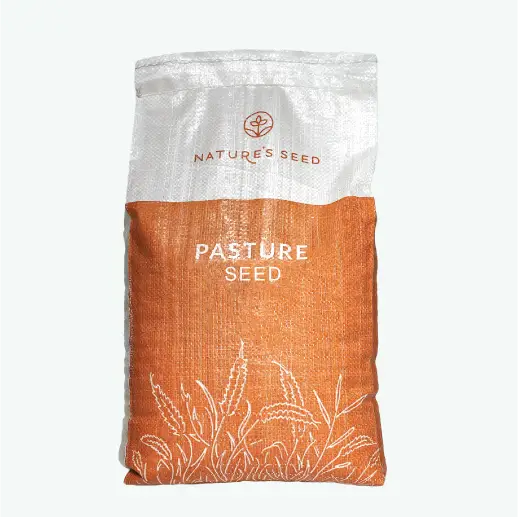
Pasture Seed
Check your ZIP code to know if this seed works for you
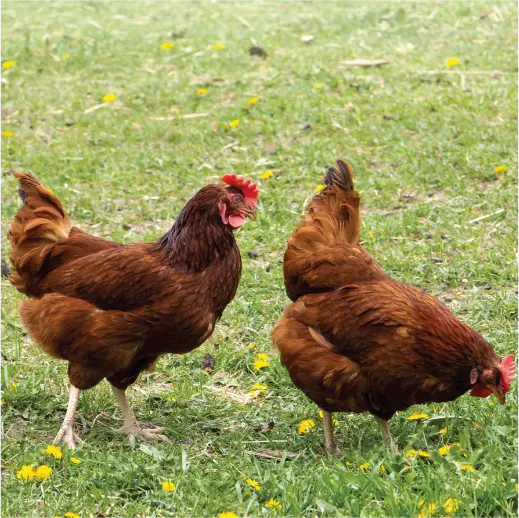
Chicken Forage Seed Mix
SKU: PB-CHIX
Supported Species:
- Poultry
Planting Aids for your Seed
What's in This Mix
High-protein legume that supports egg production and overall flock health.
Rich in omega-3 fatty acids, flax promotes healthy feathers and improves egg yolk quality.
A protein and calcium powerhouse that supports strong bones and consistent laying.
Fast-establishing broadleaf that chickens love to forage; also attracts beneficial insects.
Tolerates wet soils and heavy traffic, making it ideal for high-traffic chicken runs.
Palatable and protein-rich, peas are eagerly sought out by foraging chickens.
Low-growing and persistent, white clover withstands chicken traffic and provides steady nutrition.
Fast-growing annual clover that gives the flock an early, high-protein forage boost.
Specifications
Seeding Specs
Water Needs
Moderate. Performs well in areas receiving around 25–40 inches of precipitation annually
Soil Preference
Prefers well-drained soils; adaptable from sandy loam to clay loam
Soil pH
5.5–8.0
Planting Depth
1/8 to 1/4 inch
Establishment Specs
Height
3 Ft
Color
Green, lush foliage with seasonal blooms in multiple colors – crimson red clover heads, white clover blossoms, pink strawberry clover pom-poms, vibrant yellow-white buckwheat clusters, purple alfalfa blooms, and clear blue flax flowers.
Uses
Designed for poultry foraging areas, but also great for general livestock pasture, improving soil fertility (green manure/cover cropping), erosion control, orchard groundcover, and enhancing pollinator habitat.
Native/Introduced
The species in this mix originated in Europe and Asia (e.g., clovers from the Mediterranean, flax from the Fertile Crescent, buckwheat from Asia)
Why Choose This Seed?
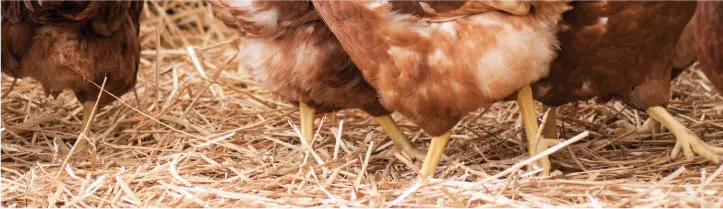
Drought Tolerant & Resilient
Deep-rooted legumes like alfalfa and hardy flax help keep this mix lush even in dry spells, reducing the need for extra watering. Once established, many components exhibit very good drought performance.
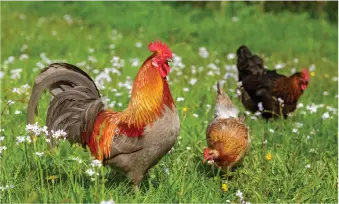
High-Value Forage Nutrition
This mix delivers protein-rich greens and grains for superior animal nutrition. Tender clovers and alfalfa provide highly digestible, nutrient-dense fodder, while added flax seeds supply omega-3 fatty acids to boost egg and meat quality.

Low Maintenance, Soil-Enriching
This seed blend practically feeds itself – nitrogen-fixing clovers and peas naturally fertilize the soil, cutting down on fertilizer needs. Perennial species come back each year, creating a self-sustaining pasture that requires minimal reseeding or upkeep.

Pollinator Friendly
Bright blooms of red, white, and pink clovers plus buckwheat’s nectar-rich flowers attract bees, butterflies, and beneficial insects in droves. Increasing pollinators not only enhances on-farm ecology and wildlife habitat, but has been shown to benefit vegetable and fruit crops, increasing production and reduce pest damage.
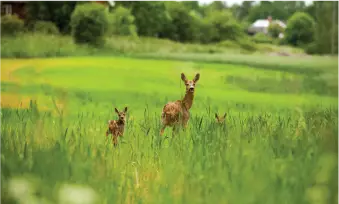
Also Safe for Other Animals
This blend offers a nutritionally balanced diet for all grazing animals, including sheep, goats, cattle, and horses. Legumes like white and red clover are highly palatable and packed with protein, outperforming many grasses or typical pasture weeds in feed value. Alfalfa is renowned for its rich protein and mineral content, supporting weight gain and milk production in livestock.
Product Uses
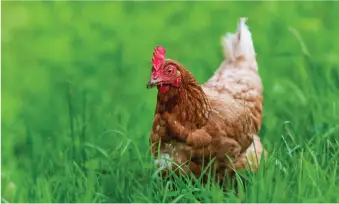
Rich in Nutrients
Ideal as a nutritious pasture planting for free-range poultry and grazing livestock. Chickens, ducks, geese, goats, sheep, and cattle will eagerly browse the tender greens and blooms.
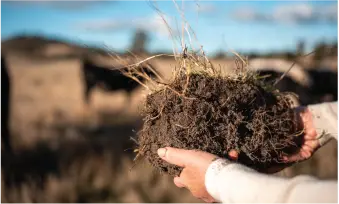
Stabilizes the soil
Excellent for soil stabilization on slopes, bare spots, or recently tilled fields. The quick cover provided by buckwheat and peas, combined with the binding roots of clovers, helps hold soil in place and prevent runoff.

Low Input Forage
Suitable for natural, low-input lawns or orchard understories. Creates a meadow-like groundcover that stays low (clovers) and green with minimal mowing, while enriching the soil – a great alternative to turfgrass in large areas.
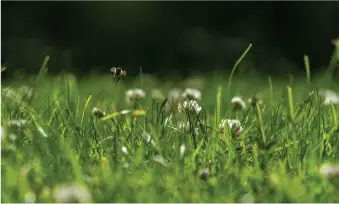
Pollinator-friendly
Enhances biodiversity by providing food and cover for wildlife. Pollinators flock to the clover and buckwheat flowers, wild rabbits and game birds nibble the foliage and seeds, and the mix can serve as a food plot for deer or turkeys, supporting an integrated farm ecosystem.
Product Video
Helpful Resources
Pasture Seed Planting Guide
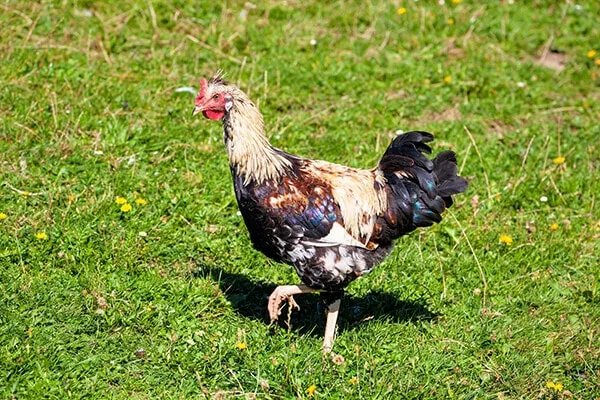
Pastured Poultry: What Kind of Forages Should Your Chickens Be Grazing On?
Questions & Answers
When and how should I plant the Poultry Forage Mix for best results?
Early spring—once the soil is workable and frost risk is gone. That’s when cool-season clovers and peas thrive. If you’re in Zones 3–6, spring’s your window. Zones 7–9? You’ve got two shots: early spring or late summer into fall. In warmer areas, fall planting gives clovers time to root during the cool months and bloom come spring. Just note: buckwheat and flax won’t survive a hard frost, so replant those in spring if needed.
As for how to plant, start with a clean, firm seedbed. You can scatter the seeds by hand or spreader, then lightly rake or roll them in so they make contact with the soil—those tiny clover and flax seeds only need to be about 1/4 inch deep. Drilling works too: set it to 1/4–1/2 inch, and go a little deeper for peas (around 1 inch). Keep the soil moist while things germinate—usually about a week or two. You’ll see the fast ones like buckwheat and peas sprout first, acting like a natural shield for the slower starters like clover and alfalfa. No need for extra inoculants—our coated seeds already include what they need. Just plant, water, and let nature take it from there.
What regions of the U.S. is this mix suitable for?
Yes, this mix grows well almost anywhere in the U.S.—Zones 3 to 9 have the best results. From Maine to Oregon, the Midwest to the Appalachians, it’s a solid performer. In hot southern zones, plant in fall so clovers grow through winter. Just avoid extreme desert heat.
How soon can I let my chickens or livestock graze this pasture after planting, and how should I manage grazing?
Let the pasture grow to about 6–8″ before grazing—roots need time to anchor. Chickens can go in a bit earlier (~4–5″). Rotate sections to avoid overgrazing, and always leave 3″ of stubble so clovers bounce back strong. Mix in grass hay to reduce bloat risk for ruminants.
Will these plants come back every year, or do I need to reseed the mix annually?
You won’t need to replant every year—about half the mix is perennial and comes back on its own. White clover spreads by runners, and alfalfa lasts several years. The annuals (like buckwheat and peas) may reseed, but tossing a bit of seed each spring or fall keeps things lush and balanced.
Can I mix this Poultry Forage Mix with wildflowers or other plants?
This mix already blooms beautifully—clovers and buckwheat attract pollinators and look great. Want more wildflowers? Try planting them later or in a separate area. Fast growers like clover can crowd out slower natives, so timing and spacing are key for both to thrive.
How does this mix benefit my chickens and other livestock nutritionally?
Absolutely—this mix is a powerhouse for animal health. Clovers and alfalfa boost protein, egg nutrients, and milk yields. Flax adds omega-3s to eggs. Chickens also eat bugs drawn to blooms. Healthier animals, richer eggs, better gains—it all starts with the pasture.
Still Have Questions?
Our seed experts are ready to help you find the perfect seed for your project.
1-866-322-7300 Ask a Seed ExpertCustomer Reviews
See what real customers are saying. All reviews are collected and verified by Shopper Approved, an independent third party.