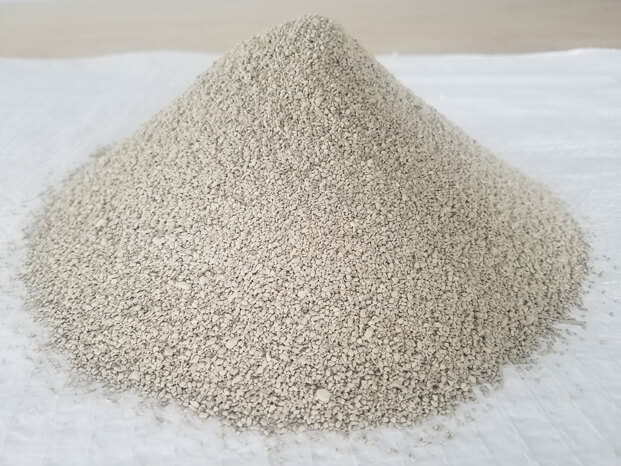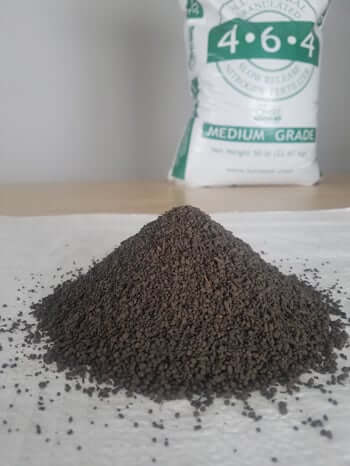
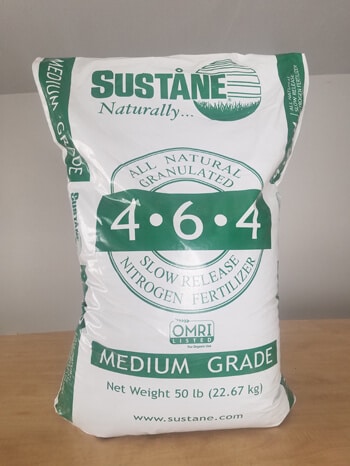
Seed Starter
High Phosphorus

| Every Seed Grows We don't pad bags with dead seed or filler. What's in the bag is what grows in your yard. | |
| Independently Tested, Every Batch Each lot is tested by a third-party lab for germination and purity before it ships to you. | |
| Grown on American Farms Our seed comes direct from U.S. growers we know personally — not a middleman warehouse. | |
| Clean Seed, No Shortcuts No coatings to inflate weight, no GMOs, no cheap filler species. Just seed. |
Free shipping on all orders under 125 lbs!
SKU: PB-CABIN
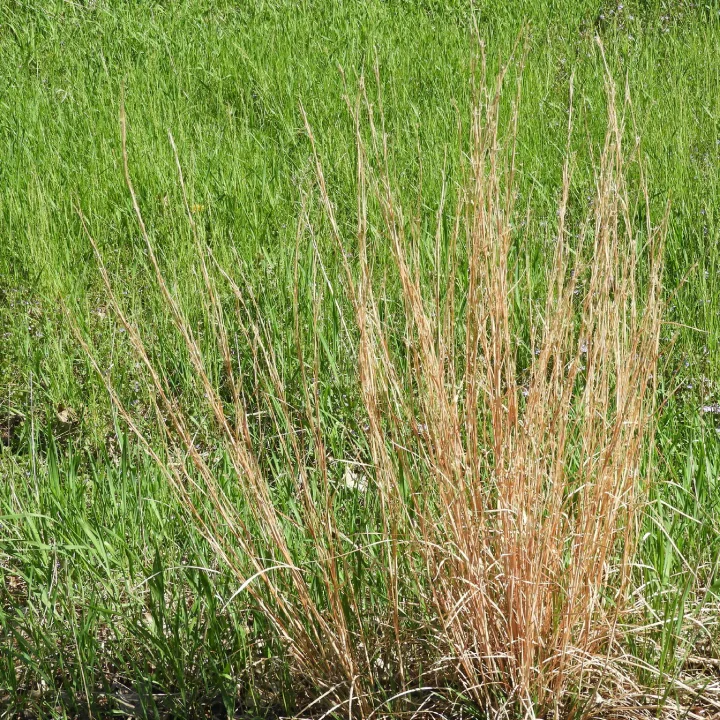
Selected for its native prairie structure, strong drought tolerance, and attractive seasonal color; it forms dense clumps that stabilize soil and provide cover and nesting habitat for wildlife.
Chosen as a warm?season, drought?adapted bunchgrass that complements bluestem with distinctive seedheads, good forage value, and seeds that support birds and beneficial insects.
Included for quick cool?season establishment, erosion control and tolerance of moister or shadier microsites; it provides early?season green cover and balances the mix for season?long structure and forage.
Chosen for its rapid establishment as a cool-season native bunchgrass that stabilizes disturbed soils and provides early-season cover and erosion control around a cabin; it tolerates a range of conditions (shade to dry sites). Its clumping habit and forage value support wildlife and create a low-maintenance, durable component in the mix.
Selected as a warm-season native bunchgrass that produces showy summer seedheads to add vertical texture and seasonal interest to the planting while supplying seeds for birds. It is drought-tolerant, adaptable to varied soils, and helps increase biodiversity and low-input resilience in the mix.
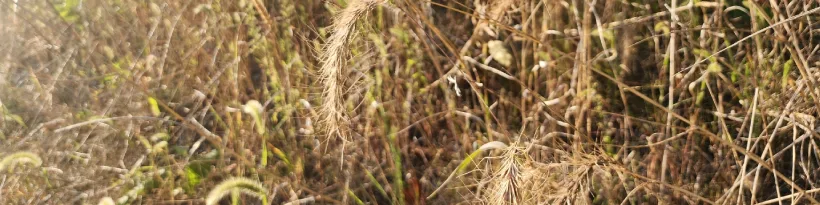
Your weekends up north shouldn’t start with wondering where the mower is. Native Cabin Grass Mix is a simple way to keep things green and tidy-looking without constant watering or weekly cuts. It establishes fairly quickly, then mostly minds its own business, giving you a relaxed border around the cabin, paths, and firepit that looks right in a rural setting. When you pull in the driveway, it feels put-together—but not fussy.
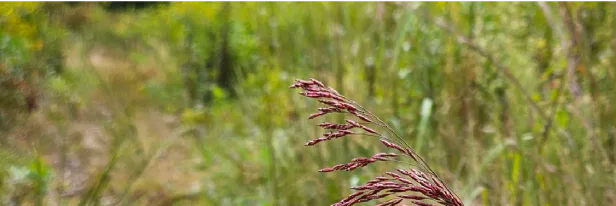
A yard that can handle you being gone for stretches is the goal. Native Cabin Grass Mix roots in and becomes more self-sustaining over time, so you’re not chasing bare spots every season. Once established, it holds up to rough weather, light foot traffic, and the real-world reality of cabin life—irregular care and long gaps between visits. It gradually thickens and softens the hard lines around buildings and driveways, so the whole place looks fuller and more natural each year.
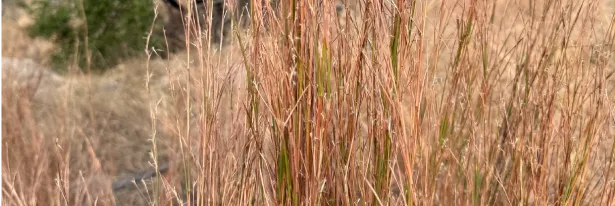
Unlike a traditional lawn that needs constant attention to look “right,” this mix is meant to look good with minimal input. Native Cabin Grass Mix leans into that meadow-style texture—soft color, gentle movement, and a natural finish—without demanding perfect soil or perfect timing. These grasses are chosen for local conditions, so they tolerate poorer ground and inconsistent care better than most turf. You get something that reads as wild and beautiful, but still intentional and cared for.
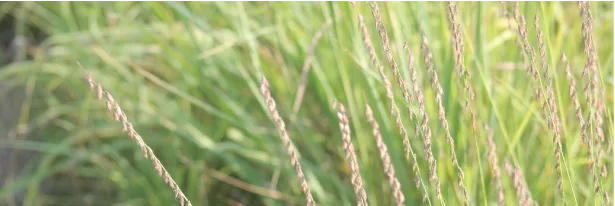
Pulling a cabin into a landscape is mostly about transitions. This mix helps the yard fade naturally into the surrounding hills, woods, or field edges, instead of stopping abruptly at a manicured lawn. Native Cabin Grass Mix softens driveway borders and building lines, reduces that “cleared lot” look, and keeps the view quieter and less busy. The place ends up feeling more private and settled—like it belongs there, not like it was dropped in.
Pick sunny to lightly shaded areas where water does not stand after rain.
Clear the area by mowing or weed-whipping existing plants as low as possible.
Rake off and remove all clippings, thatch, sticks, and rocks so you can see mostly bare soil.
Check drainage after a rain: you’ll know its suitable when puddles disappear within a few hours.
Loosen only the top 1-2 inches of soil in small areas with a steel rake or hoe.
Use a light disc or harrow pass on larger areas, but avoid deep tilling that brings up weed seeds.
Skip heavy fertilizer and rich compost so you don’t feed weeds more than the native grasses.
If the area is very weedy, water it once and wait 1-2 weeks for weeds to sprout.
Kill those new weeds by mowing very low or spraying a non-residual herbicide.
Wait 7-10 days after spraying before you seed.
Firm the soil by raking it level and then walking or rolling over it.
Test firmness by walking across: you’ll know its ready when your boot leaves only a shallow footprint, not a deep one.
Plan your seeding for early spring or late fall when soil is cool and naturally moist.
Measure your planting area in square feet or acres.
Check the bag for the recommended seeding rate (usually about 8-12 lbs per acre).
Weigh out the correct amount of seed so you do not run out early or have extra left over.
Mix the seed with clean, slightly damp sand or screened compost at about 1 part seed to 45 parts filler.
Use filler so the seed spreads more evenly and does not clump.
Stir the mix thoroughly so seed is evenly distributed in the filler.
Divide the mix into two equal portions so you can seed in two directions.
Broadcast the first half walking northsouth with a hand-crank spreader or by hand with a steady, wide swing.
Broadcast the second half walking eastwest to cover missed gaps.
Look back as you go: you’ll know coverage is good when you see a light, even scatter of seed and filler across the soil, not bare streaks.
Lightly rake the area so seed is covered no deeper than 1/8-1/4 inch.
Avoid burying seed too deep; if you cannot see any seed at all, you may have raked too aggressively.
Firm the seed into the soil with a lawn roller, by walking, or by slowly driving an ATV over the area.
Check your work: you’ll know you’re done when most seed is pressed into the soil surface, not sitting on fluffy, loose dirt and not buried out of sight.
Water lightly once or twice a day in the first 1-2 weeks if there is no steady rain.
Keep the top 1 inch of soil moist but not muddy so seeds do not dry out or rot.
Watch the surface: you’ll know moisture is right when soil is dark and cool to the touch but not shiny or puddled.
Reduce watering to every 1-2 days after the first 2 weeks if seedlings are emerging and weather is mild.
Expect some grasses to sprout in 2-3 weeks and others to take 4-6 weeks or longer.
Avoid assuming bare spots have failed before 6-8 weeks have passed.
Do not mow until most seedlings reach 4-6 inches tall.
Check height by pinching a few blades between your fingers; if many are shorter than 4 inches, wait.
Mow to about 4 inches if weeds start to shade the young grasses.
Set your mower high and avoid scalping down to bare soil.
Leave clippings in place unless they form heavy, wet mats that smother seedlings.
Keep people, pets, vehicles, and livestock off the new grass during the first growing season, especially when soil is wet.
Expect the area to look patchy and weedy in the first summer; this is normal for native mixes.
Focus on moisture and weed control, not a perfect lawn look, during the first year.
Spot-mow tall weeds before they drop seed, cutting them back to just above the grass height.
By late summer to fall of the first year, look for thicker clumps and more uniform coverage.
Understand that full, lush cover usually takes 23 growing seasons with native grasses, so do not re-till or reseed too quickly.
Mow the established Native Cabin Grass Mix only 1-3 times per year.
Plan one main mow in late fall or very early spring at a height of 6-8 inches to remove old thatch.
Use this annual mow to reset the stand while keeping a natural, meadow-like look.
Mow paths or high-use areas near the cabin more often at 4-6 inches to create clear walking routes and a defined yard edge.
Leave lower-use areas to grow taller for habitat and a wilder appearance.
Avoid regular fertilizing so you do not encourage weeds and overly lush, floppy growth.
Test your soil if growth is very thin or pale, and only add a light, balanced fertilizer if a specific deficiency is shown.
Walk the area 1-2 times per year to look for invasive weeds and woody seedlings.
Pull or dig out problem plants by hand or spot-treat them with herbicide before they set seed.
Focus treatments on patches, not the entire meadow, to protect your native mix.
Check for thin or bare spots each early spring or late fall.
Overseed those thin areas with the same Native Cabin Grass Mix at the recommended rate.
Lightly rake and firm overseeded spots so seed contacts soil.
Watch year to year: you’ll know your stand is healthy when it looks mostly full, has few bare patches, and needs only occasional mowing and spot weeding.
A great low-maintenance option for a cabin yard or rural retreat is a Native Cabin Grass Mix, which is made to look natural and need very little care once its established. It uses hardy, low-growing native grasses that don’t need frequent mowing, fertilizing, or watering. These grasses grow deep roots that help control erosion on slopes and driveways and provide food and shelter for birds and other wildlife. If you want your place to blend in with the surrounding landscape and still look cared-for, this type of mix is a strong, reliable choice.
To use Native Cabin Grass Mix, first clear weeds and lightly loosen the top couple of inches of soil so the seed can make good contact. Spread the seed evenly, gently rake it into the top 1/4 inch of soil, and if you can, press it in with a roller or by walking over it. Keep the area lightly moist (not soggy) until the grass is a few inches tall, then you can slowly reduce watering and mow just a few times a season, or only to tidy paths and edges. For best results, plant in spring or early fall, when temperatures are mild and rain is more common.
A Native Cabin Grass Mix is designed to stay attractive with much less water and care than a regular lawn, especially after its fully established. The native grasses grow deep roots, which helps them stay greener during dry periods, but you may still need occasional watering in long, hot droughts. During the first season, it’s important to water regularly so the young plants can get established; after that, they usually only need light mowing a few times a year, if at all. If you prepare the soil well and follow the seeding and watering directions, you can expect a tough, low-care yard that still looks green and natural most of the year in suitable climates.
A Native Cabin Grass Mix is a good choice if you want your cabin to look like it belongs in the surrounding landscape instead of having a bright, manicured lawn. It uses cold-hardy, region-appropriate native grasses that grow in a more natural, meadow-like way and need less mowing and watering. Once established, it helps hold soil on slopes, fills in bare spots, and offers cover and food for birds and pollinators. If you’re unsure about your exact region, you can check with the seed supplier or local extension office to confirm the mix fits your climate and soil.
For most cabin yards or light-use pastures, plan on about 18-22 pounds of Native Cabin Grass Mix per acre for new seedings, and 8-12 pounds per acre for overseeding into existing grass. Use the lower end of each range if you want a more open, rustic look, and the higher end if you want quicker, thicker coverage or are dealing with erosion. Measure your area and adjust the amount for smaller spaces (for example, 1 acre is about 43,560 square feet), so you don’t over- or under-seed.
Yes, you can replace a traditional lawn with a Native Cabin Grass Mix to get a softer, more natural look that needs far less mowing and watering. Start by removing or killing off the existing turf, then lightly loosen the soil, spread the seed evenly, rake it in, and keep it moist until the new grass is established. Expect it to look a bit patchy at firstnative mixes often fill in over one or two growing seasonsbut they become thicker and more resilient over time. If you follow these steps and give it a good first season, you can confidently transition from a high-maintenance lawn to a relaxed, cabin-style landscape.
Our seed experts are ready to help you find the perfect seed for your project.
1-866-322-7300 Ask a Seed ExpertSee what real customers are saying. All reviews are collected and verified by Shopper Approved, an independent third party.