
Quality Highlights
| Every Seed Grows We don't pad bags with dead seed or filler. What's in the bag is what grows in your yard. | |
| Independently Tested, Every Batch Each lot is tested by a third-party lab for germination and purity before it ships to you. | |
| Grown on American Farms Our seed comes direct from U.S. growers we know personally — not a middleman warehouse. | |
| Clean Seed, No Shortcuts No coatings to inflate weight, no GMOs, no cheap filler species. Just seed. |
Free shipping on all orders under 125 lbs!
Mustard Biofumigant Blend Cover Crop Seed Mix
SKU: PB-MUST
What is the Mustard Biofumigant Blend Cover Crop Seed Mix
What's in This Mix
Chosen for its high glucosinolate levels and vigorous biomass production; when incorporated it can release biofumigant compounds that help suppress soil pests and pathogens while its robust roots improve soil structure and nutrient cycling.
Included for rapid establishment, wide soil adaptability, and a complementary glucosinolate profile that broadens the timing and spectrum of biofumigant activity; it also provides quick ground cover and erosion control while flowering earlier in the season.
Specifications
Seeding Specs
Establishment Specs
Why Choose This Seed?
Give Your Soil A Fresh Start
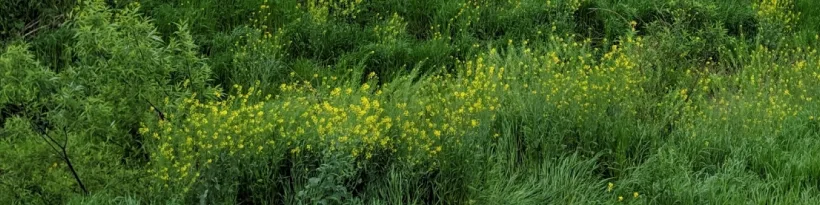
Soil that’s been cropped hard can start acting “tired”—more damping off, more root issues, more mystery wilts. A mustard biofumigant blend is one of the cleaner ways to hit reset between plantings. When you grow it and incorporate it, the residue releases natural compounds that help knock back certain soil-borne pests and diseases without leaning on harsh fumigants. The payoff is a bed your next crop can settle into faster, with less stress and more consistent early growth.
Turn Problem Beds Into Winners
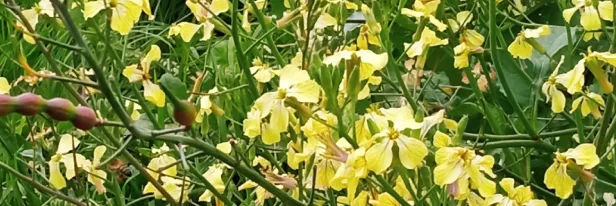
Your problem beds usually aren’t failing because of what you’re doing on the surface; it’s what’s lingering below. Mustards contain bioactive compounds that target pests and pathogens where they live, and the dense canopy adds a big shot of fresh biomass for soil life. Over a couple rotations, that can be the difference between plants that always look stunted and beds that finally start responding again. It’s a practical tool when you want to run tight successions without feeling like every new planting is a gamble.

Healthier Soil, Bigger Harvests
Stronger starts tend to show up at harvest time. As this mustard blend grows and then breaks down, it can reduce pressure from harmful organisms while feeding the beneficial biology that helps roots function well. The next cash crop often takes off quicker—better rooting, better vigor, and fewer weak plants that never catch up. In other words, you’re setting yourself up for a more uniform, marketable harvest instead of spending the season managing preventable stress.
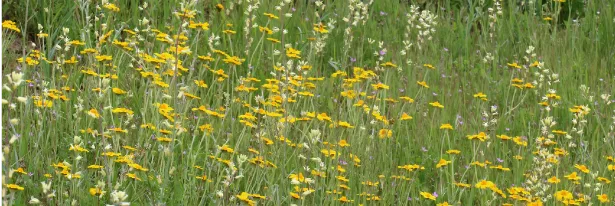
Break Disease Cycles For Good
When the same soil disease keeps showing up, treating the symptoms above ground only gets you so far. This mustard blend is designed for that in-between window, using plant-powered biofumigation to disrupt pest and pathogen cycles before the next crop goes in. It’s a way to lower disease pressure without drenching beds in synthetics or wiping out the organisms you actually want to keep around. Done as part of a rotation, it helps rebuild resilience so each planting isn’t starting from behind.
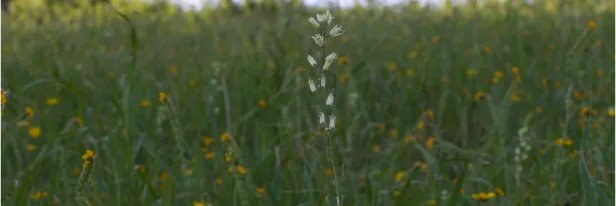
Protect Your Next Crop Between Successions
Say you’ve got a short gap between successions and you don’t want to leave the bed idle. Unlike slower cover crops, this fast-growing mustard can be slotted in to put on biomass quickly, then incorporated to create a brief, natural “clean-up” period in the soil. While it’s working on pest and disease pressure, it’s also adding organic matter and helping the bed loosen up. That means transplants go into soil that’s cleaner, mellower, and more supportive right from day one.
Planting Guide
Prepare the Soil
Clear the previous crop so at least half of the soil surface is visible; remove or chop up any large plant residues.
Terminate any living plants with mowing, tarping, or shallow tillage before you begin bed prep.
Loosen the top 2-4 inches of soil with a light till, power harrow, or rotary hoe; avoid deep tillage that flips up new weed seeds.
Crush clods and level the surface so you have a fine, crumbly, and firm seedbed; you should be able to press your hand in without sinking deeply.
Knock back the first flush of weeds 7-10 days before sowing by lightly cultivating or flame-weeding; this is especially important in weedy beds.
Check soil drainage; only use this mix in beds that drain well and do not stay waterlogged after rain.
Test soil pH ahead of time; aim for pH 6.0-7.5 for best growth.
Apply lime several months before sowing if your soil is acidic; do not wait until right before planting.
Add finished compost or lightly decomposed residues if fertility is low, but avoid fresh, heavy manure that makes plants overly lush and disease-prone.
Mix any added compost into just the top few inches; do not bury it deeply.
Lay drip lines before your final bed prep if you use drip irrigation, and keep them near the surface so water reaches the top 1-2 inches.
Firm the bed lightly with your feet or a rake back to create a smooth, even surface; you should not see deep footprints.
Stop preparing once the bed is smooth, firm, and mostly weed-free; you’ll know its ready when small seeds would sit on the surface without falling into cracks.
Sow the Seeds
Schedule your sowing 4-6 weeks before your first hard frost in fall, or after all danger of frost in spring.
Measure your area before you start so you can apply the correct seeding rate.
Apply 10-15 lbs/acre if drilling the seed with a seeder; use 15-20 lbs/acre if broadcasting by hand, using the higher rate in weedy or problem areas.
Use roughly 0.3-0.5 lb (4.88 oz) of seed per 1,000 sq ft when broadcasting small areas.
Spread the seed evenly over the soil surface; avoid clumps or bare patches.
Drag a rake, screen, or very shallow harrow over the soil to cover seeds 0.2-50.5 inches deep; do not bury them deeper than your fingernail.
Check that you can still see some seed impressions near the surface; if you can’t see any, you may have buried them too deep.
Firm the soil surface with a roller, cultipacker, or by walking on boards laid across the bed so seeds press into the soil without sinking too far.
Avoid stepping directly in the bed with sharp footprints that create deep holes; aim for a smooth, lightly compressed surface.
Water the bed immediately after sowing, applying about 0.5 inch of water so the top inch of soil is evenly moist.
Check moisture by scraping back the top half inch of soil; it should feel damp but not muddy.
Plan for additional light irrigations every 1-2 days in dry weather during the first week so the seed zone never dries out.
Establishment
Keep the seedbed consistently moist but not soggy for the first 7-10 days after sowing.
Expect mustard to emerge in 3-7 days in warm conditions; you’ll see a green haze of seedlings across the bed when its coming up evenly.
Reduce watering slightly once most seedlings have emerged, but still keep the top 1-2 inches from drying out in the first week.
Switch to deeper, less frequent waterings after 7-10 days, aiming for about 1 inch of water per week from rain plus irrigation.
Check soil moisture by pushing your finger 2 inches into the soil; it should feel cool and slightly damp.
Walk the field every few days in the first 2 weeks to look for weed flushes.
Hoe or cultivate shallowly between rows when seedlings are small (first true leaf stage), before the mustard canopy starts to close at 3-4 weeks.
Avoid deep hoeing that cuts mustard roots; keep tools in the top 0.51 inch of soil.
Cover young stands with row cover in areas with heavy flea beetle or brassica pest pressure, and seal the edges well to keep insects out.
Remove row cover once plants are growing vigorously and leaves are larger than a quarter; at that point, light feeding damage is less harmful.
Watch for gaps or thin spots in the stand; if more than 25% of the area is bare by week 2, consider re-seeding those patches.
Allow the stand to grow quickly and evenly; do not graze or mow it during this phase.
Aim to terminate the crop at early to full flowering for best biofumigant effect; you’ll know its close when about half the plants show yellow flowers but stems are still green and juicy.
Keep equipment and heavy foot traffic off the stand, especially in the first 3-4 weeks, to avoid compaction and broken plants that reduce biomass.
Maintenance Long Term
Plan your termination date when the mustard is 6-10 weeks old, depending on growing conditions.
Check the stand weekly once buds appear; you want to incorporate at early to full bloom when stems are still green and easy to chop.
Confirm readiness by bending stems; they should snap but still feel juicy, not woody.
Choose a dry day for termination so chopped material does not mat and rot on the surface.
Flail mow or finely chop the mustard, aiming for small pieces; finer chop means stronger and more even biofumigant action.
Incorporate the chopped residue immediately into the top 4-6 inches of soil with a rototiller, power harrow, or similar tool.
Avoid leaving the chopped mustard on the surface for more than 30 minutes; delayed incorporation lets gases escape and weakens the effect.
Irrigate the area with 0.51 inch of water right after incorporation to help release and move biofumigant compounds into the soil.
Keep the soil undisturbed for 10-1-4 days after incorporation; do not till, plant, or cultivate during this window.
Wait to plant your next cash crop until the soil no longer smells strongly of mustard and residues are starting to break down.
Avoid planting brassica cash crops (cabbage, broccoli, kale, etc.) immediately after mustard in disease-prone fields to reduce pathogen buildup.
Rotate this mustard blend with non-brassica cover crops (such as grasses or legumes) in following seasons to keep soil biology balanced.
Use this blend most often in beds with a history of soil-borne diseases, nematode issues, or poor soil structure.
Record sowing dates, termination dates, and any changes in pest pressure or crop performance so you can adjust timing and seeding rates in future seasons.
Review your notes at the end of each season and update your rotation plan to maintain long-term soil health and consistent biofumigant benefits.
Helpful Resources
Mustard Cover Crops for Soil Fumigation
Best Cover Crops for the Midwest
Questions & Answers
A mustard biofumigant blend helps control soil pests and diseases by releasing natural gases into the soil when the plants are chopped and mixed in. These gases come from plant compounds that break down in moist soil and can reduce problems like nematodes, some fungi, and other soil-borne pests. For best results, grow a thick stand, then mow or finely chop it and till it into the top few inches of soil while the plants are still green and the soil is slightly damp. Used between vegetable crops, this can lower pest pressure, cut back on chemical use, and leave your soil looser, richer, and better prepared for a healthy next crop.
Mustard biofumigant cover crops can help reduce wireworms, plant-parasitic nematodes, and clubroot, but they work best as part of a full management plan, not as a single cure. When you chop and quickly incorporate the mustard into moist soil, it releases natural fumigant-like compounds that can knock back these pests and diseases. For better results, seed heavily, incorporate at early to mid-flowering, and combine this with long crop rotations, clean equipment, and good drainage. Over several seasons, this approach can noticeably lower pest levels and improve overall soil health in market garden beds.
The best time to plant a mustard biofumigant cover crop is right after you harvest a crop, as long as you still have about 6-10 weeks of mild, mostly frost-free weather. Mustard needs warm, moist soil to grow fast and make lots of leafy growth, which is what produces the helpful pest-suppressing compounds. In many areas this means sowing in late summer to early fall after early crops, or in early spring before warm-season vegetables. If you time it so you can chop and incorporate the mustard at early flowering, you’ll get strong biofumigation plus a big boost of organic matter for your next planting.
To get the most benefit, chop your mustard cover crop when it is lush and just starting to flower, then work it into the soil right away. Mow or weed-whack it finely, then till or hoe it into the top 4-6 inches of soil and water lightly so the soil is moist but not soggy. Choose a warm, calm day so more of the natural gases stay in the soil instead of escaping into the air, and avoid leaving the chopped plants sitting on top of the ground. Done this way, you’ll get stronger pest and disease suppression while also adding organic matter and setting up a healthier seedbed for your next crop.
You can use mustard biofumigant cover crops in no-till or reduced-till systems, but you may need a small amount of shallow tillage to get the strongest pest-control effect. The natural gases are released best when the chopped green plants are mixed lightly into the top 2-3 inches of soil soon after mowing or rolling at early to peak flowering. In strict no-till, leaving the residue on the surface will still improve organic matter, soil life, and weed control, but the biofumigation effect will be milder. Many regenerative growers use one shallow pass only when using mustard, then return to full no-till afterward, which keeps soil health high while still gaining meaningful pest suppression.
For most mustard biofumigant blends used for pest suppression and high biomass, typical recommended seeding rates are in the range of about 15-20 lb/acre (sometimes up to around 25 lb/acre depending on product and conditions), which corresponds to roughly 0.3-0.5 lb (4.88 oz) per 1,000 sq ft. Use the higher end of that range where you want maximum biomass and stronger biofumigation. Spread the seed evenly over a firm, weed-free seedbed, lightly rake or harrow it in so its covered by about 9 inch of soil, and water to help it germinate quickly. Always check the specific rate recommended by the seed supplier for the particular blend you are using.
Still Have Questions?
Our seed experts are ready to help you find the perfect seed for your project.
1-866-322-7300 Ask a Seed ExpertCustomer Reviews
See what real customers are saying. All reviews are collected and verified by Shopper Approved, an independent third party.
