Quality Highlights
| Every Seed Grows We don't pad bags with dead seed or filler. What's in the bag is what grows in your yard. | |
| Independently Tested, Every Batch Each lot is tested by a third-party lab for germination and purity before it ships to you. | |
| Grown on American Farms Our seed comes direct from U.S. growers we know personally — not a middleman warehouse. | |
| Clean Seed, No Shortcuts No coatings to inflate weight, no GMOs, no cheap filler species. Just seed. |
Free shipping on all orders under 125 lbs!
Pasture Seed
Check your ZIP code to know if this seed works for you
Transitional Zone Horse Pasture Mix
SKU: PB-HRSE-TR
Supported Species:
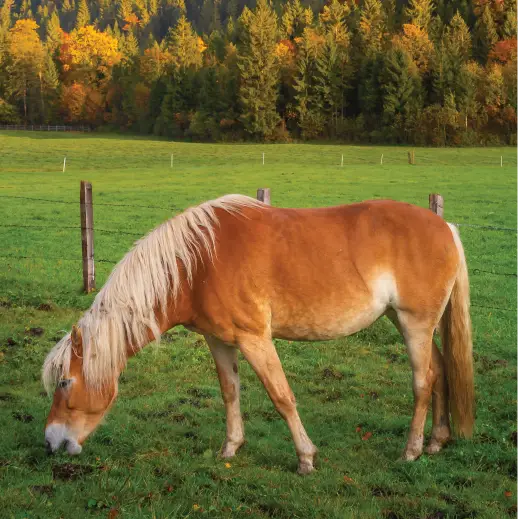
- Horse
Planting Aids for your Seed
What is the Transitional Horse Pasture Mix?
A durable cool-season forage mix for horses and livestock, combining deep-rooted meadow brome, tall fescue, ryegrass, alfalfa, and Kentucky bluegrass. High-yield and drought-resilient once established, it supports long grazing seasons and good hay production. Performs well in USDA Zones 3–7 (Great Plains, Northeast, Intermountain West) and uses water efficiently by tapping deep soil moisture. Ideal for equine and ruminant pastures, this mix also improves soil health and attracts pollinators.
What's in This Mix
A productive cool-season grass that regrows quickly after grazing. Its useful drought tolerance and persistence under heavy use make it ideal for rotational grazing systems.
A deep-rooted, heat and drought-tolerant grass that stays green year-round in mild climates. Its strong wear resistance and adaptability make it the foundation grass for tough pasture conditions.
A fast-establishing grass with noted palatability and digestibility. Its rapid germination provides quick ground cover while delivering high-quality forage throughout the growing season.
The "forage legume" offering noted protein content and digestibility. Its deep taproot accesses nutrients unavailable to other plants while fixing nitrogen to enrich the soil naturally.
A sod-forming grass that spreads via rhizomes to create a dense, durable turf. Its ability to recover from grazing pressure and fill in bare spots makes it essential for high-traffic pastures.
Specifications
Seeding Specs
Water Needs
Moderate – drought-tolerant once established
Soil Preference
Prefers well-drained soils; adaptable from sandy loam to clay loam
Soil pH
5.5–8.0
Planting Depth
1/8 to 1/4 inch
Establishment Specs
Height
~1–4 feet tall
Color
Rich green foliage
Uses
Livestock forage (grazing/hay), pasture renovation, erosion control, pollinator habitat
Native/Introduced
Introduced
Why Choose This Seed?
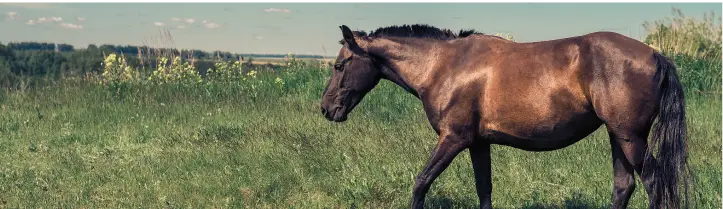
Drought and Cold Hardy
This seed blend’s deep-rooted species are key to its drought and cold resilience. Meadow brome is especially noted for good drought tolerance and excellent winter-hardiness. Tall fescue and alfalfa also withstand dry conditions, so once established the stand stays green longer during summer dry periods. Overall water use is efficient for a forage mix, since deep roots reach soil moisture.
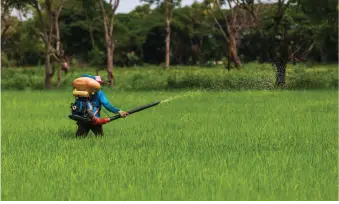
Simple Maintenance
Once established, this mix is fairly low-maintenance. Grasses like tall fescue and bluegrass form a durable sod that competes well with weeds, and alfalfa fixes its own nitrogen, lowering fertilizer needs. Expect to mow or graze on a schedule: harvest or graze at the recommended height to promote tillering and regrowth. Routine spring fertilization (especially phosphorus for alfalfa) will boost yields.
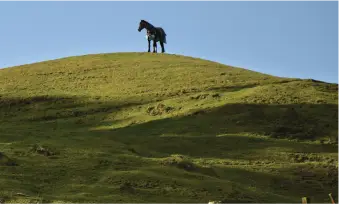
Erosion Control
The dense root systems of these perennial grasses bind soil effectively. Meadow bromegrass in particular spreads by short rhizomes and is well-suited for stabilizing disturbed soils (especially where annual rain is ≥14 inches). Combined with alfalfa, which has a very deep taproot, the stand provides excellent ground cover and forage over the growing season, keeping soil anchored even after seedhead drop. Use on bare ground to protect topsoil and on slopes and gullies to prevent runoff.
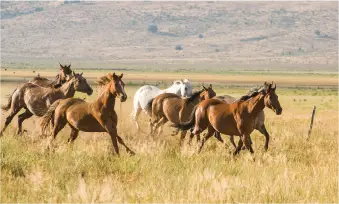
Grazing Resilience
This mix was designed for pasture durability for horse and other livestock grazing. Perennial ryegrass is very quick to germinate and thrive, and Meadow brome is noted for its strong re-growth characteristic, with continued forage value into the fall. Horses can begin grazing when grasses reach about 8–12″ tall. It is best to rotate grazing so regrowth occurs, leaving a 3–4″ stubble and waiting 3-4 weeks between rotations. This will encourage tillering and stand longevity.
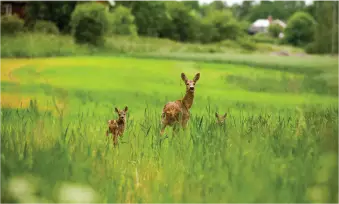
Pollinators & Wildlife
Alfalfa blooms are a boon for bees and butterflies, extending forage appeal to pollinators in summer. The flowering legumes and grasses provide nectar and pollen, while the tussocky grasses offer nesting cover for ground birds. The seed heads of meadow brome also feed upland birds and game such as deer and elk.
Why Choose this Mix?
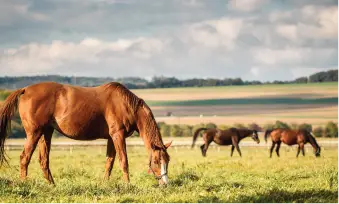
Reliable & Resillient Pasture
This mix provides robust pasture feed for horses as well as cattle, sheep, and goats. Horses and livestock favor the leafy alfalfa and ryegrass, which have very high palatability, while fescue and brome add bulk. This mix establishes dense, nutritious forage quickly and can be harvested for hay or grazed repeatedly. The result is a pasture that keeps animals well-fed from spring green-up through fall.
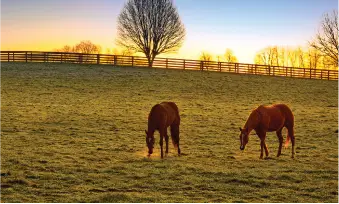
Natural Erosion Control
The root systems of meadow brome, fescue, and alfalfa lock down soil. Meadow brome especially, is noted for stabilization of disturbed soils with adequate rainfall. Plant this mix on slopes or bare banks to hold soil and nutrients. After seeding, you’ll quickly get a green mat of grass that prevents washouts, making it ideal for conservation plantings, runoff areas, and stream buffers.
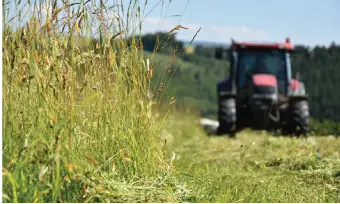
Set It, Graze It, Forget It
Once planted, this blend needs little pampering. It crowds out weeds naturally and requires minimal fertilizer. The result is a lush, low-input cover that won’t need frequent watering – perfect for large acreage or equestrian grounds where you want greenery without intensive care.
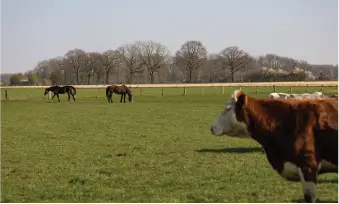
Livestock & Wildlife Friendly
As the grasses and alfalfa grow, they create habitat for birds and beneficial insects. The seedheads of brome and bluegrass provide winter food for quail and other upland birds, while dense clumps offer cover. In summer, the alfalfa’s purple blossoms attract bees and butterflies. In short, this mix enriches pasture biodiversity: it feeds livestock and supports wildlife at the same time.
Ornamental Appeal
In pastures and paddocks, it looks tidy and green; let it bloom or stand u,p and it adds a meadow-like aesthetic. The Kentucky bluegrass and fescue can form a fine-textured turf on edges (bluegrass is a classic lawn grass). Grasses turn straw-colored in fall, giving an attractive golden hue. Consider seeding it in large landscape areas where a “natural” grass look is desired – it’s greener than weeds and more visually pleasing, while still functional.
Helpful Resources
Pasture Seed Planting Guide
Endophyte Toxicity in Tall Fescue
Erosion Control in Pastures
Questions & Answers
What is this mix and why plant it?
This cool-season, multi-species blend is designed for horses and other grazers. It combines meadow brome, fescue, ryegrass, alfalfa, and bluegrass for year-round forage. Ryegrass ensures quick establishment, while fescue and alfalfa deliver high yields and strong nutrition. Alfalfa also adds protein and natural nitrogen. Compared to single-species pastures, this mix offers better grazing, higher feed value, and more productivity per acre.
How is the forage quality, and is it good for grazing?
Quality is excellent—alfalfa and perennial ryegrass are highly palatable and digestible, making them ideal for livestock. Tall fescue and Kentucky bluegrass add reliable, cool-season nutrition, with bluegrass offering especially sweet spring growth. This mix provides a balanced, perennial forage ideal for grazing or haying multiple times per year. Just manage alfalfa carefully to minimize bloat risk—rotational grazing or mixing with grasses helps.
What are the key planting guidelines?
Plant in early spring or late summer (e.g., March–May or August–September in Indiana). Prepare a firm seedbed and broadcast or drill at 25–30 lbs/acre (e.g., ~15 lbs fescue, ~10 lbs alfalfa). Sow shallowly—no deeper than ¼–½ inch—and press the seed in with a roller or light packing. Keep soil moist until germination; seedlings usually emerge in 1–2 weeks. Once established, manage it like any standard pasture or hay field.
What about water and drought?
This mix is water-efficient once established. Alfalfa’s deep taproot and fescue’s strong root system tap into subsoil moisture, helping the stand stay green longer during dry spells. Regular watering is important early on, but after establishment, moderate rainfall or occasional irrigation is usually sufficient. Grasses may slow growth in drought, but won’t die out. Overall, it’s a resilient, low-water pasture option.
How do I manage grazing and cutting?
Rotate carefully: start grazing when the stand reaches 8–12″, and stop before it drops below 3–4″ to protect regrowth. Allow 3–4 weeks of recovery after each grazing or cutting. Alfalfa needs this rest to rebuild root reserves. With good moisture, you can cut hay 2–3 times per year. Avoid overgrazing during the first season to help the stand establish properly.
Can I use it as a lawn or ornamental turf?
Not a manicured lawn mix, but it works as a meadow-style turf. Bluegrass and fescue create a mowable base, while alfalfa and brome add a coarser texture. Ideal for resilient groundcover in paddocks, around barns, or large pastures—green through summer, turning golden in fall.
Still Have Questions?
Our seed experts are ready to help you find the perfect seed for your project.
1-866-322-7300 Ask a Seed ExpertCustomer Reviews
See what real customers are saying. All reviews are collected and verified by Shopper Approved, an independent third party.