3 TX Natives
30-40% Less Water
| Every Seed Grows We don't pad bags with dead seed or filler. What's in the bag is what grows in your yard. | |
| Independently Tested, Every Batch Each lot is tested by a third-party lab for germination and purity before it ships to you. | |
| Grown on American Farms Our seed comes direct from U.S. growers we know personally — not a middleman warehouse. | |
| Clean Seed, No Shortcuts No coatings to inflate weight, no GMOs, no cheap filler species. Just seed. |
Free shipping on all orders under 125 lbs!
Tripsacum dactyloides | SKU: W-TRDA
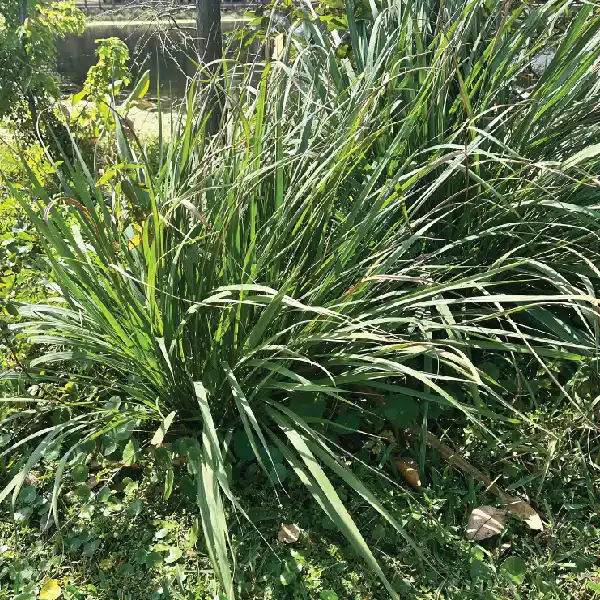
Fakahatchee Grass (Eastern Gamagrass) is a robust, clump-forming warm-season perennial grass native to Florida and the eastern United States. It grows 4–6 ft tall and wide, with long, arching leaves that have finely serrated edges. In subtropical regions it remains evergreen year-round. The plant produces stout flower spikes in late spring that can be white, pink, yellow, or rust-colored. Named after the Fakahatchee Strand in the Florida Everglades, it is one of the most widely used native grasses in Florida-friendly landscaping.
Fakahatchee Grass is a go-to choice for Florida-friendly and southeastern native landscapes. Use it as a dramatic accent plant, a natural privacy screen, or a softening backdrop beneath tall palms and live oaks. It delivers year-round structure without irrigation or fertilizer once established.
The dense clumps provide cover and nesting habitat for birds, small mammals, and reptiles. Seeds are a food source for quail, wild turkeys, and songbirds. It also serves as a larval host plant for the Byssus Skipper butterfly, supporting native pollinator populations.
Few ornamental grasses handle both drought and periodic flooding as well as Fakahatchee Grass. It thrives along pond banks, drainage swales, rain gardens, and stormwater retention areas — making it ideal for low-impact development and bioswale plantings.
The deep, fibrous root system of Fakahatchee Grass makes it excellent for stabilizing slopes, stream banks, and disturbed sites. It holds soil in place even during heavy rains and seasonal flooding, reducing runoff and protecting waterways.
With medium salt tolerance and moderate drought resistance once established, Fakahatchee Grass performs well in coastal landscapes and inland sites that experience dry spells. It requires minimal supplemental watering after the first growing season.
Choose a site with full sun to light shade and any soil type from sandy to clay. Fakahatchee Grass thrives in moist soils but adapts to drier conditions once established. Clear the planting area of competing weeds and loosen the top 2–3 inches of soil before sowing.
Eastern Gamagrass seed has natural dormancy. For best results, cold-stratify seed at 35–40°F for 6–10 weeks before spring planting. Alternatively, sow in late fall and let winter conditions break dormancy naturally. Plant seed 1/2 to 3/4 inch deep. For broadcast seeding, use 10–15 lbs of pure live seed per acre.
Keep the soil consistently moist during germination and for the first 4–6 weeks after seedlings emerge. Provide at least 1 inch of water per week until plants are well established. Once rooted, Fakahatchee Grass is moderately drought tolerant and rarely needs supplemental irrigation.
Fakahatchee Grass requires almost no maintenance. You can cut it back to 6–12 inches in late winter to encourage fresh spring growth, but this is optional. Divide clumps every 3–4 years in spring if they become too large. No fertilizer is needed in most soils.
Fakahatchee Grass is hardy in USDA Zones 5–11, but performs best in Zones 8–11 where it stays evergreen. In colder zones, it dies back to the ground in winter and regrows from the roots each spring.
It is adaptable to a wide range of moisture conditions. It thrives in moist to wet soils and tolerates periodic flooding, but it is also moderately drought tolerant once established. During establishment, provide about 1 inch of water per week.
Mature clumps typically reach 4–6 feet tall and 4–6 feet wide. In ideal conditions with ample moisture, some plants can reach up to 8 feet including flower stalks.
No. Standard Fakahatchee Grass is Tripsacum dactyloides and grows 4–6 ft tall. Dwarf Fakahatchee is a different species (Tripsacum floridanum) that stays around 2–3 ft. Both are native to Florida, but this product is the full-size species.
Fakahatchee Grass is a clump-forming bunchgrass, not a runner. It slowly expands its clump over time via short rhizomes but does not spread aggressively or take over a garden. It stays where you plant it.
Its seeds feed quail, wild turkeys, songbirds, and deer. Dense clumps provide shelter for small mammals, reptiles, and ground-nesting birds. It is also a larval host plant for the Byssus Skipper butterfly and attracts native pollinators to its flower spikes.
Our seed experts are ready to help you find the perfect seed for your project.
1-866-322-7300 Ask a Seed ExpertSee what real customers are saying. All reviews are collected and verified by Shopper Approved, an independent third party.