
Quality Highlights
| Every Seed Grows We don't pad bags with dead seed or filler. What's in the bag is what grows in your yard. | |
| Independently Tested, Every Batch Each lot is tested by a third-party lab for germination and purity before it ships to you. | |
| Grown on American Farms Our seed comes direct from U.S. growers we know personally — not a middleman warehouse. | |
| Clean Seed, No Shortcuts No coatings to inflate weight, no GMOs, no cheap filler species. Just seed. |
Free shipping on all orders under 125 lbs!
Dryland Pasture Mix
SKU: PB-DRY
What is the Dryland Pasture Mix
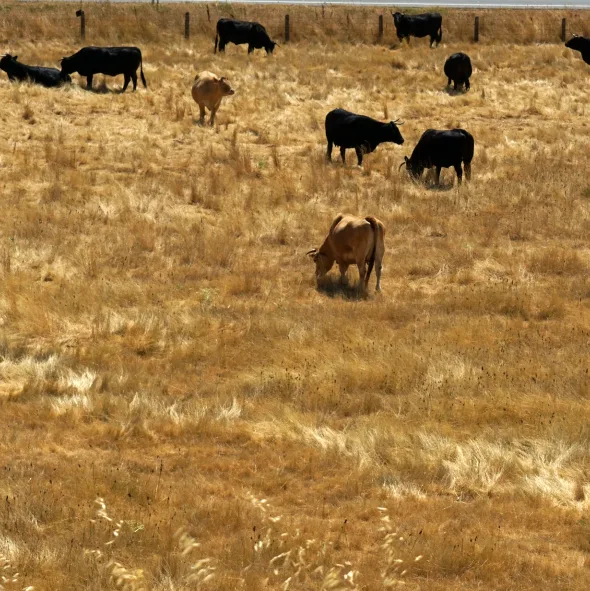
Dryland Pasture Mix is a carefully proportioned blend of drought-tolerant grasses, legumes, and forbs developed for semi-arid regions receiving under 15 inches of annual rainfall. It establishes without irrigation, persists under grazing pressure, and delivers nutritionally diverse forage across the full growing season. Trusted by ranchers across the intermountain West, Great Basin, and High Plains for its reliable establishment and long-term pasture productivity.
What's in This Mix
Chosen for its deep, fibrous root system and strong tolerance to summer heat and drought, which helps maintain green forage and persistence under grazing. It also produces relatively high yields and improves soil structure in dry conditions.
Included for reliable cool-season growth, early spring production, and good forage quality, providing feed when summer-active species slow down. Its sod-forming habit and extensive roots enhance drought resilience and soil stabilization.
Selected for exceptional drought tolerance and rapid establishment from seed, making it well-suited to dry, low-fertility sites. It offers dependable early-season grazing and long-term persistence with minimal inputs.
Selected for it's ability to remain productive and palatable during dry spells; drought-tolerant cultivars have robust root systems and good cool-season regrowth to provide reliable forage when moisture is limited.
A carefully selected component that contributes to the overall performance of this blend.
Specifications
Seeding Specs
Establishment Specs
Why Choose This Seed?
More Grazing From Every Drop
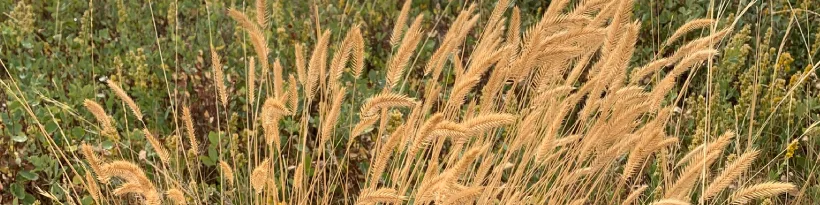
In dry country, a half-inch rain can disappear fast if your pasture can’t reach it. Dryland Pasture Mix is meant to make those short showers count by building a root system that goes looking for moisture deeper in the profile. The payoff is more dependable grazing between storms and fewer days where you’re staring at the sky wondering if you’ll be buying feed again.
Grass Even When You Skip Watering
Your water bill shouldn’t decide whether you have grass. Dryland Pasture Mix is designed to hold a usable stand through stretches when you’re not irrigating, whether that’s by choice or because the well can’t keep up. It stays productive on limited moisture, so the herd can keep grazing at home while you save the labor and cost of running sprinklers.
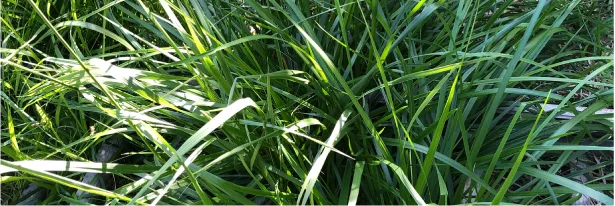
Pasture That Fits Your Rainfall
This mix doesn’t pretend your dryland pasture is an irrigated field. Dryland Pasture Mix is built around low-rain conditions, helping fill thin spots and maintain cover when other stands start to fade out. The goal is a steady forage base that matches what your acres can realistically produce with the rainfall you actually receive.
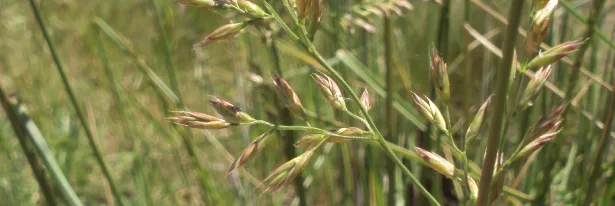
Forage That Hangs On Through Drought
When drought hits, it’s usually the weak-rooted pasture that quits first. Dryland Pasture Mix is selected to hang on longer under moisture stress, so you’re not watching ground cover vanish between storms. It tends to recover quicker when the rains come back, which can mean fewer reseeding headaches and more grazeable days in a tough year.
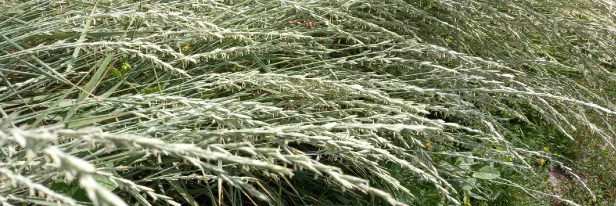
Use Less Water, Still Feed More
Unlike mixes that need frequent irrigation to look good, this one is built to lean on natural rainfall. Dryland Pasture Mix helps you cut back on watering without giving up the forage you need to keep animals out grazing. Less time managing irrigation and fewer dollars tied up in water often translate into better control of both pasture performance and operating costs.
Planting Guide
Prepare the Soil
Choose a full-sun area that does not stay wet or puddled after rain.
Remove existing grass and weeds 2-4 weeks before planting using shallow tillage, a sod cutter, or a non-residual herbicide.
Wait 7-10 days and watch for new weed growth; kill this regrowth before you plant so new seedlings do not compete.
Loosen only the top 2-4 inches of soil with a disk, tiller, or harrow; do not till deeper in dry areas because it dries the soil.
Break up clods and smooth the surface with a drag or rake so the soil is fine and even.
Firm the soil by walking on it or rolling it so your boot heel sinks no more than 1/2 inch; you’ll know its ready when footprints are shallow and the surface feels firm, not fluffy.
Add 1-2 inches of compost or well-aged manure on very sandy or low-organic soils, then mix it lightly into the top few inches.
Avoid adding heavy nitrogen fertilizer now; it will feed weeds more than new pasture seedlings.
Apply only phosphorus and potassium (if your recent soil test recommends them) before your final pass with the tiller or harrow.
Time your soil preparation for 1-2 weeks before your main rainy period so the soil can store moisture for planting.
Avoid working the soil when it is wet and sticky; wait until it crumbles easily in your hand.
Sow the Seeds
Plan your planting for early spring or late summer/early fall so seeds get cool temperatures and reliable rainfall.
Check your local forecast and aim to seed 1-3 days before a light, steady rain, not before a heavy storm.
Read the seeding rate on the bag and set your seeder or hand-spreader to that rate (typically 12-16 lbs per acre if drilled into a firm seedbed, or 18-22 lbs per acre if broadcast on the soil surface).
Use the lower end of the rate range on finer or moisture-limited soils to avoid overcrowding and conserve water.
Fill your seeder or spreader only partway at first and test a small area so you can adjust the rate before doing the full field.
Set drill seeders to place seed 1/4-1/2 inch deep; never go deeper than 1/2 inch or seeds may not emerge.
Check seed depth by digging a small trench after drilling; you should see seed just below the surface, not buried deep.
Split seed into two equal portions if broadcasting by hand or spinner.
Spread the first half walking or driving in one direction, then spread the second half at a right angle for even coverage.
Lightly harrow or rake the area so seed is just covered; you should still see an occasional seed on the surface.
Roll or cultipack the soil immediately after sowing so the seed is pressed firmly into the soil without being buried deeper.
Drive a tractor, ATV, or even a vehicle over the area if you do not have a roller, but avoid turning sharply and disturbing the seedbed.
Avoid heavy irrigation right after planting; if you must water, apply light, gentle waterings that moisten only the top 1 inch of soil.
Stop watering if you see puddles or soil washing; this means you are applying too much water at once.
Expect to see first seedlings in 7-21 days depending on soil temperature and moisture; cooler or drier conditions will be slower.
Establishment
Check the seeded area 1-2 times per week for germination and early growth.
Keep all traffic, equipment, and livestock completely off the new pasture until plants are well rooted.
Look for a light green haze of seedlings across the area within 2-3 weeks in good moisture conditions.
Test rooting after 4-6 weeks by gently tugging a few plants; you’ll know roots are anchoring when the plant bends but does not pull out easily.
Delay any irrigation until soil is very dry and plants are showing stress (dull color, slight wilting), then apply a single deep watering of 1/21 inch.
Allow the soil surface to dry between any irrigations so roots grow downward in search of moisture.
Mow annual weeds early, as soon as they are 2-3 inches taller than the pasture seedlings.
Set the mower just above the pasture height so you remove weed tops but leave most pasture leaves.
Never remove more than one-third of the pasture leaf height at one mowing; cutting too low will slow root growth.
Watch for bare spots or areas where weeds dominate in the first 6-8 weeks and spot-mow or hand-weed those areas before weeds set seed.
Wait to graze until grasses are at least 6-8 inches tall and stands look dense and even.
Test readiness for first grazing by tugging plants; you’ll know it is safe when most plants stay firmly rooted.
Introduce livestock for short periods (a few hours to a day) the first few times instead of leaving them on continuously.
Move animals off the pasture when the grass is grazed down to about 4 inches; do not let them graze shorter or they may pull plants out.
Allow 4-6 weeks of rest and regrowth after each grazing or mowing during the first season, longer if conditions are hot and dry.
Avoid fertilizing heavily in the first season; focus on weed control, rest, and deep rooting instead of fast top growth.
Maintenance Long Term
Rotate grazing so animals are on the pasture only while they graze it down to 3-4 inches, then move them to another area.
Rest each grazed area long enough for grass to regrow to at least 6-8 inches before grazing it again.
Extend rest periods during drought or very hot weather so plants can recover and maintain root reserves.
Avoid frequent, shallow irrigation; rely mainly on rainfall and, if needed, occasional deep irrigations during long dry spells.
Apply any supplemental irrigation as a deep soaking rather than many light passes so roots stay deep.
Walk your pasture in late winter or early spring each year and mark thin spots, bare patches, or areas with heavy weeds.
Overseed weak areas with more Dryland Pasture Mix just before an expected rain or during your normal wet season.
Scratch or lightly harrow bare spots before overseeding so new seed can contact soil.
Apply modest nitrogen only once per year during active growth if plants look pale or thin, and focus on weaker areas instead of the whole field.
Use livestock manure distribution as your main fertility source by rotating animals across the pasture.
Mow or clip tall seedheads and weeds once or twice each growing season to prevent weed seeding and keep grass leafy.
Set the mower high enough to leave at least 3-4 inches of grass after mowing so plants can recover quickly.
Watch for problem weeds each season and spot-treat them early with mowing, hand removal, or targeted herbicide if needed.
Monitor pasture condition at the end of each growing season; you’ll know it is performing well if it has good ground cover, few bare spots, and mostly desirable grasses.
Adjust stocking rate (number of animals) if you see persistent overgrazing, bare soil, or slow regrowth; fewer animals are better than damaging the stand in dry years.
Helpful Resources
Erosion Control in Pastures
Native Grass Series: Great Plains
Questions & Answers
The best dryland pasture mix for horses and cattle in low rainfall areas is a blend of deep-rooted, drought-tolerant grasses (and some legumes) that are proven to do well with little or no irrigation. Look for a mix labeled specifically for dryland or low rainfall that includes hardy species like wheatgrasses, tall fescue, and orchardgrass, plus a few safe legumes for added nutrition. Make sure it’s advertised as suitable for both horses and cattle, as some species that are fine for cows aren’t ideal for horses. When you match the mix to your rainfall and soil type, you can expect a tough, long-lasting pasture that needs less water and fertilizer and still gives your animals good grazing.
To establish a dryland pasture without irrigation, start by killing or removing existing weeds and creating a firm, smooth seedbed so the seed has no competition. Plant in early spring or late summer/early fall, when you’re most likely to get natural moisture, and use a drill or cultipacker so the seed is shallow but firmly in contact with the soil. After seeding, keep animals off the pasture for the first growing season so roots can grow deep, then begin light, rotational grazing so plants have time to recover. If you follow these steps and match the seed mix to your climate, you can build a pasture that survives on rainfall alone and gets stronger each year.
A good dryland pasture mix for semi-arid areas usually includes tough, deep-rooted grasses like tall fescue, orchardgrass, and several types of wheatgrass (such as crested, intermediate, or pubescent wheatgrass). These grasses are chosen because they handle heat, need less water, and keep producing forage even in dry summers. Many mixes also add species like smooth brome or Siberian wheatgrass for early spring growth and long-term stand survival. When you see a mix with several of these grasses listed, you’re likely looking at a solid choice for semi-arid conditions.
For most dryland pasture mixes used for grazing, plan on seeding about 12-16 pounds per acre if drilled into a firm, well-prepared seedbed, or about 18-22 pounds per acre if broadcast on the soil surface. Use the higher end of the appropriate range if your soil is sandy, very dry, or if you’re broadcasting seed on top of the ground; use the lower end if you’re drilling into good moisture. Plant the seed shallow and pack the soil lightly so the seed has good contact with the soil and can take advantage of any rain you get. Getting the seeding rate right helps your pasture fill in quickly, outcompete weeds, and last for many years.
Yes, a true dryland pasture mix can survive on natural rainfall alone in a 10-1-5 inch rainfall zone, as long as its planted and managed correctly. Choose a mix specifically labeled for low rainfall, plant at the right time (when rain is most likely), and make sure the seed is shallow and firmly in the soil. Protect the pasture from grazing for the first season or two so roots can grow deep, then avoid overgrazing and give plants time to recover between grazings. With the right seed and management, you can have a reliable grazing pasture even in very dry areas.
A dryland pasture mix is built for low rainfall and little or no irrigation, while a regular pasture mix usually assumes you have more moisture or access to water. Dryland mixes use deep-rooted, drought-tolerant species that can reach moisture deeper in the soil and stay green longer during dry spells. Regular mixes may grow faster in wet conditions, but they often thin out or fail when it turns hot and dry. If your area has limited or unreliable rainfall, choosing a dryland mix gives you a much better chance of having a thick, long-lasting pasture with fewer inputs.
Still Have Questions?
Our seed experts are ready to help you find the perfect seed for your project.
1-866-322-7300 Ask a Seed ExpertCustomer Reviews
See what real customers are saying. All reviews are collected and verified by Shopper Approved, an independent third party.
