

Drought Hardy
Winter Hardy
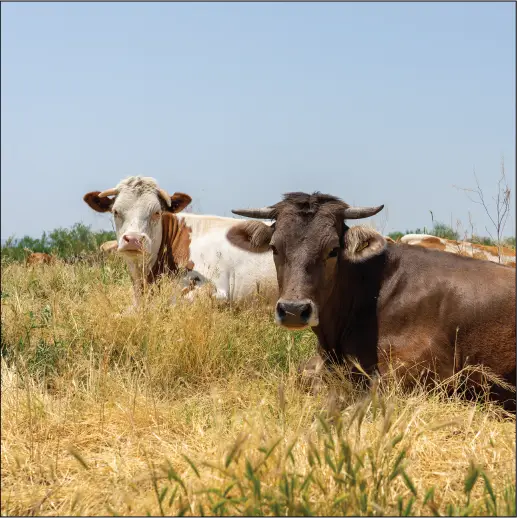

Cattle Pasture Seed for Productive Grazing
Healthy cattle start with healthy pasture. Our cattle pasture seed mixes are expertly blended by rangeland specialists to deliver nutrient-dense forage that supports weight gain, milk production, and overall herd health.
• Expert-blended ratios — designed for maximum forage production and palatability
• Regionally adapted — species selected for your climate, soil type, and grazing conditions
• Lower feed costs — quality pasture reduces dependence on expensive supplemental feed
• Protein-rich legumes — clover and alfalfa provide natural soil fertilization
• USDA-tested seed — every lot meets strict purity and germination standards
Whether you’re establishing new cattle pasture or renovating an existing stand, we include both cool-season and warm-season species so you can extend your grazing season. Browse our full pasture seed collection for blends designed for horses, sheep, and goats. Free shipping on every order.
———
Frequently Asked Questions
Q: How many cattle can I support per acre of pasture?
A: Stocking rates vary by region, soil fertility, and rainfall, but a general guideline is 1-2 cow-calf pairs per acre on well-managed, productive pasture. Rotational grazing can increase carrying capacity by 20-30% compared to continuous grazing.
Q: What is the best pasture grass for beef cattle?
A: It depends on your region. In the north, orchardgrass and Tall Fescue (endophyte free) are top choices. In the south, Bermudagrass and Bahiagrass provide excellent warm-season production. Our regional blends match the right species to your climate.
Q: How does quality pasture reduce feed costs?
A: High-quality pasture forage can provide 60-80% of a beef cow’s annual nutritional requirements. Legumes in our blends add 15-25% crude protein, reducing or eliminating the need for protein supplements during the grazing season.
Q: Should I use endophyte-free fescue for cattle?
A: Yes, especially for breeding herds. The endophyte in standard Tall Fescue can cause fescue toxicosis — reducing weight gain, milk production, and reproductive performance. Endophyte-free varieties eliminate this risk.
Q: When should I plant cattle pasture seed?
A: Cool-season pastures establish best in late summer (August-September). Warm-season species should be planted in late spring when soil temperatures exceed 60-65 degrees F. Your regional blend will include the appropriate species for your planting window.
