
Quality Highlights
| Every Seed Grows We don't pad bags with dead seed or filler. What's in the bag is what grows in your yard. | |
| Independently Tested, Every Batch Each lot is tested by a third-party lab for germination and purity before it ships to you. | |
| Grown on American Farms Our seed comes direct from U.S. growers we know personally — not a middleman warehouse. | |
| Clean Seed, No Shortcuts No coatings to inflate weight, no GMOs, no cheap filler species. Just seed. |
Free shipping on all orders under 125 lbs!
Pasture Seed
Check your ZIP code to know if this seed works for you
Warm Season Cattle Pasture Seed Mix
SKU: PB-COW-SO
Supported Species:
- Cattle
Planting Aids for your Seed
What is the Southern Dairy Cow & Cattle Forage Mix?
The Warm Season Dairy Cow & Cattle Forage Mix is a high-protein blend of warm and cool season grasses for dairy and beef cattle. This mix of Tall fescue, Perennial ryegrass, Bermudagrass, Alfalfa, and White clover thrives in USDA zones 6-9 in the Southern US. Drought-tolerant and high-yield, this pasture mix allows for year-round grazing, enhancing forage quality and soil health with nitrogen-fixing legumes.
What's in This Mix
A deep-rooted, heat and drought-tolerant grass that stays green year-round in mild climates. Its strong wear resistance and adaptability make it the foundation grass for tough pasture conditions.
A fast-establishing grass with noted palatability and digestibility. Its rapid germination provides quick ground cover while delivering high-quality forage throughout the growing season.
A warm-season grass that thrives in heat and creates a dense, wear-resistant sod. Its aggressive spreading habit can help fill bare spots quickly while providing reliable summer grazing.
The "forage legume" offering noted protein content and digestibility. Its deep taproot accesses nutrients unavailable to other plants while fixing nitrogen to enrich the soil naturally.
A low-growing, persistent legume that spreads by stolons to fill bare areas. It fixes nitrogen, tolerates close grazing, and provides year-round green forage while attracting beneficial pollinators.
Specifications
Seeding Specs
Water Needs
Medium (prefers 20–30″ annual rainfall)
Soil Preference
Well-drained loam or clay
Soil pH
5.5–7.0
Planting Depth
¼–½ inch
Establishment Specs
Height
3–4 feet without grazing
Color
Light to dark green foliage, white blooms
Uses
Perennial pasture for grazing, hay, silage, or greenchop
Native/Introduced
Introduced
Why Choose This Seed?
High-Quality Nutrition
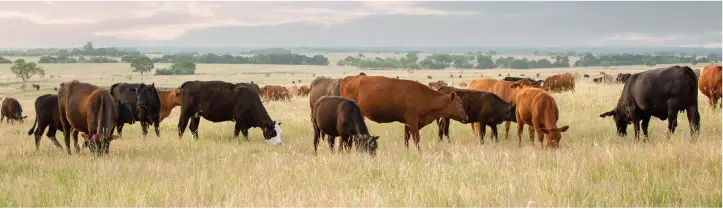
This mix is designed for top livestock performance in the Southern Regions of the United States. Alfalfa and white clover fix nitrogen and deliver high digestible protein and energy, while the grasses provide fermentable fiber. For example, Perennial ryegrass in the blend has higher protein and energy levels than most pasture grasses. Overall, the combination supports rapid weight gain and milk production in cattle.
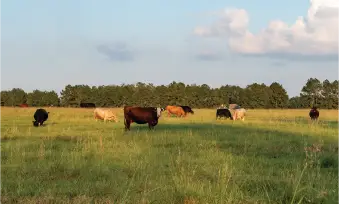
Built for Southern Climates
This mix is built to tolerate heat and humidity. Tall fescue thrives in warm, humid climates and will grow into late fall in Southern zones. Fescue varieties with endophytes improve summer survival under drought. White clover is one of the most drought-resistant legumes. Together, these species maintain good ground cover through heat and periodic dry spells.
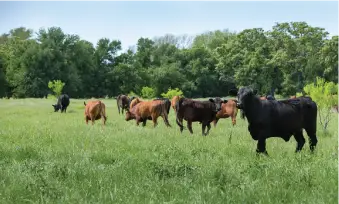
Rapid Regrowth
This mix rebounds quickly from grazing once active growth begins. The species in this mix grow rapidly once established, allowing for multiple grazing cycles and keeping pastures productive across seasons.
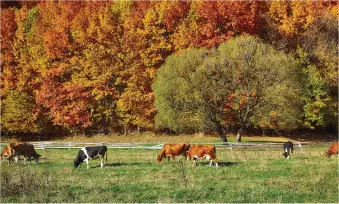
Extended Season Production
These cool-season perennials extend the grazing window into the transitional seasons. Tall fescue will grow when soils warm to ~40°F and continues growth into late fall, filling summer-to-winter feed gaps. Clover and ryegrass thrive in early spring and fall, providing lush forage when warm-season grasses are dormant. By overlapping growth periods, the mix offers feed as early as spring and as late as autumn, lengthening the grazing season in Southern climates.

Soil Health & Sustainability
The Alfalfa and White Clover in this mix build soil fertility that benefits companion grasses. As a result, fertilizer needs are reduced over time. The deep, fibrous roots of both the grasses and legumes in this mix enhance soil organic matter and stability, forming excellent erosion-control of valuable topsoil. Overall, the mix promotes sustainable pastures by feeding the soil as well as the herd.
Product Uses
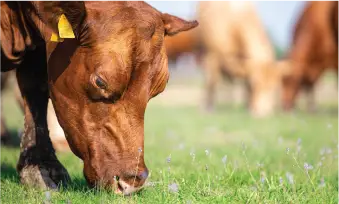
High-Quality Nutrition
This mix is designed for top livestock performance in the Southern Regions of the United States. Alfalfa and white clover fix nitrogen and deliver high digestible protein and energy, while the grasses provide fermentable fiber. For example, Perennial ryegrass in the blend has higher protein and energy levels than most pasture grasses. Overall, the combination supports rapid weight gain and milk production in cattle.
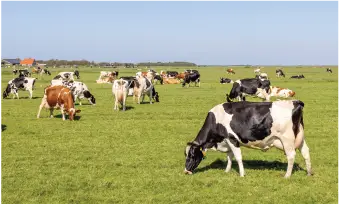
Healthy for livestock
Produces high-quality forage for haylage or baleage. Cut at mid- to late-boot stage to capture peak nutrition. Alfalfa and clover components add protein and digestibility, making a superior hay blend for livestock.
For any Type of Pasture
Use to oversow thin or declineing pastures. Grasses rebuild stand density while legumes reintroduce nitrogen-fixers. The combination quickly fills open ground and rejuvenates forage production.
Fix Nitrogen and Improve Soil Health
As a cover crop, the dense grass-legume stand suppresses weeds, adds organic matter, and protects the soil. Nitrogen fixed by legumes improves fertility for the next season’s crop or pasture.
Product Video
Helpful Resources
Pasture Seed Planting Guide
Questions & Answers
Which livestock can graze this mix?
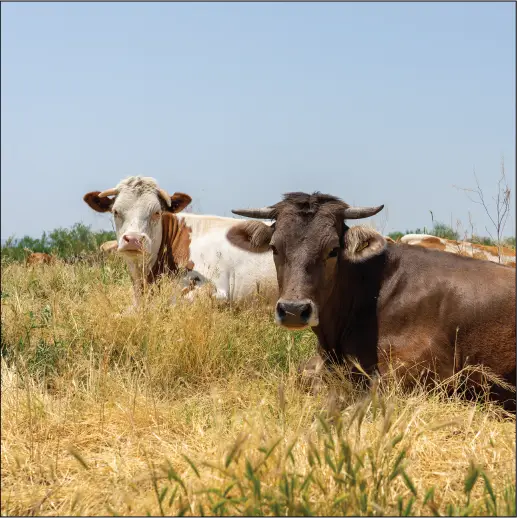
Mainly designed for cattle (dairy and beef), this forage mix is also excellent for sheep, goats, and other grazing animals. All components are palatable, and white clover in particular is “highly palatable” for all livestock classes. Farmers report that cattle thrive on it, gaining weight efficiently and, for dairy cows, maintaining high milk production on the nutrient-rich mix.
When and how should I plant this mix?
Plant in a well-prepared seedbed during cool periods. In the South, ideal seeding times are early spring (Feb–Apr) or late summer/early fall (Aug–Sep) when soils are warm enough for germination but the worst heat or freeze is avoided. Drill or broadcast the seed ~¼″ deep. Maintain moisture for the first few weeks. It establishes quickly – perennial ryegrass can be ready to graze in ~60 days under good conditions.
How drought-tolerant is this mix?
Once established, it tolerates moderate drought better than many cool-season stands. Tall fescue (with endophytes) survives summer dryness relatively well, and clover (especially small/intermediate types) is noted as very drought-resistant. Of course, yields will drop in extended dry spells. Adequate fertility and residue help conserve soil moisture, and if possible, a light summer irrigation can bridge dry periods. Overall, the mix offers better dry-climate performance than ryegrass alone, thanks to fescue’s deep roots and clover’s hardiness.
What soil conditions and pH are best?
This blend is adaptable. It thrives in well-drained loam or clay soils and tolerates a fairly wide pH range (~5.5–7.0). Tall fescue and clover do well in slightly acidic soil, though alfalfa prefers near-neutral pH (6.5–7.0) for optimal persistence. A soil test is recommended: apply phosphorus or potassium if deficient. (Avoid heavy nitrogen fertilization, as clovers provide N naturally.)
How should I manage grazing?
Rotational grazing is ideal. Leave a 3–4″ residual when moving cattle to allow regrowth. White clover and tall fescue tolerate close grazing: clover is “very persistent in pastures, withstands close grazing”, and endophyte fescue cultivars are known to withstand “abuse or neglect”. Maintain a 40–50% clover stand by grazing regularly (close defoliation favors clover over grass). Avoid grazing so short that legume crowns are damaged. In practice, livestock can graze this mix intensively as long as you rotate and monitor stand vigor.
How does this mix handle fertilizer and maintenance?
One benefit is lower fertilizer needs. The legumes fix nitrogen, so additional N fertilizer is generally unnecessary and can even hurt clover. Instead, plan to apply phosphorus and potash per soil test. If you fertilize with nitrogen, do so lightly in spring: it will boost grass growth, but excessive rates can suppress clover. In sum, let the clover/alfalfa supply N, and maintain fertility with other nutrients for best long-term productivity.
Still Have Questions?
Our seed experts are ready to help you find the perfect seed for your project.
1-866-322-7300 Ask a Seed ExpertCustomer Reviews
See what real customers are saying. All reviews are collected and verified by Shopper Approved, an independent third party.