Quality Highlights
| Every Seed Grows We don't pad bags with dead seed or filler. What's in the bag is what grows in your yard. | |
| Independently Tested, Every Batch Each lot is tested by a third-party lab for germination and purity before it ships to you. | |
| Grown on American Farms Our seed comes direct from U.S. growers we know personally — not a middleman warehouse. | |
| Clean Seed, No Shortcuts No coatings to inflate weight, no GMOs, no cheap filler species. Just seed. |
Free shipping on all orders under 125 lbs!
Pasture Seed
Check your ZIP code to know if this seed works for you
Blue Grama Seed
Bouteloua gracilis | SKU: PG-BOGR
Supported Species:
- Cattle
- Poultry
- Sheep
- Goats
- Horse
- Bison
- Alpaca/Llama
- Pig
- Tortoise
- Honey Bee
Planting Aids for your Seed
What is Blue Grama?
A drought-tolerant standout among native and ornamental grasses, Blue Grama is both beautiful and versatile. Blue Grama varieties thrive in pastures across the Great Plains and Intermountain West, providing high-quality forage and resilience to grazing. This low-water grass is also ideal for eco-conscious landscaping and lawn replacements.
Specifications
Seeding Specs
Water Needs
Low Need
Soil Preference
All Soils
Soil pH
6.5 – 7.8
Planting Depth
1/4th - 1/2 Inches deep Max
Establishment Specs
Height
6-24 inches
Color
Green
Uses
Pasture, Agriculture, Erosion Control, Turf, Commercial Beautification, Habitat Restoration, Land Reclamation
Native/Introduced
Southwest, Intermountain West, Midwest
Why Choose This Seed?
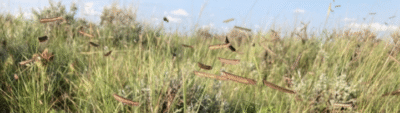
Built for Dry Climates
Blue Grama thrives with minimal water, making it one of the most drought-tolerant pasture grasses available, perfect for saving on irrigation in arid regions.
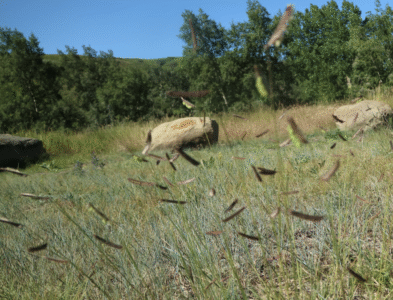
Minimal Upkeep Required
No mowing, fertilizing, or spraying needed. Blue Grama keeps your land productive with almost zero maintenance.
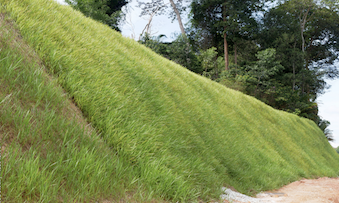
Erosion Control
With a deep, fibrous root system, Blue Grama holds soil in place on slopes and open ground, helping prevent erosion, runoff, and topsoil loss.
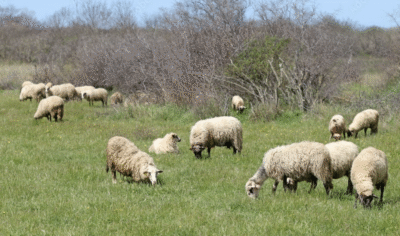
Resilient Grazing Forage
This hardy prairie grass stands up to heavy grazing while providing quality forage. It bounces back quickly, keeping your pasture full without frequent reseeding.
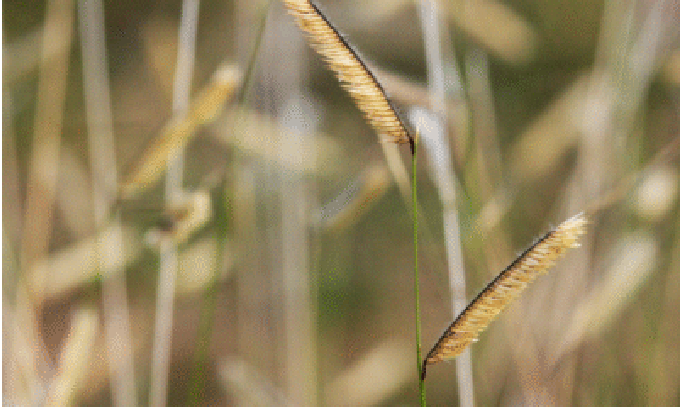
Ornamental Value
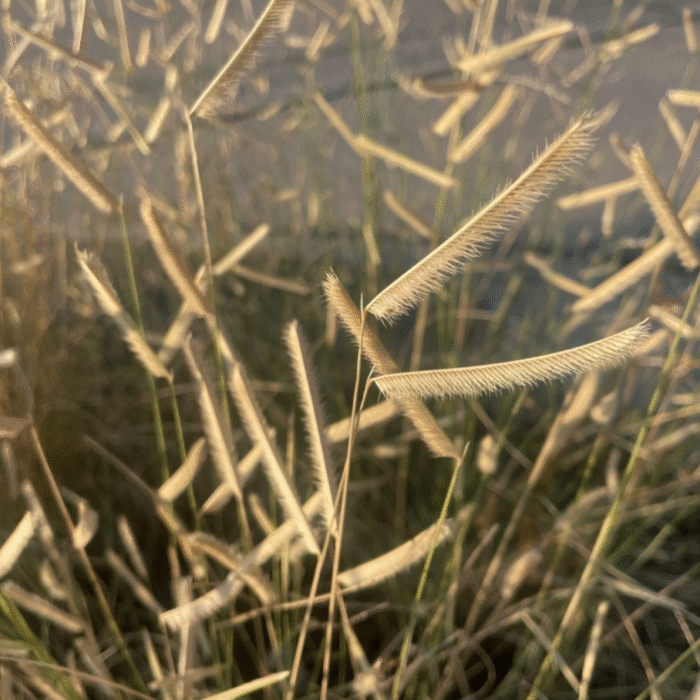
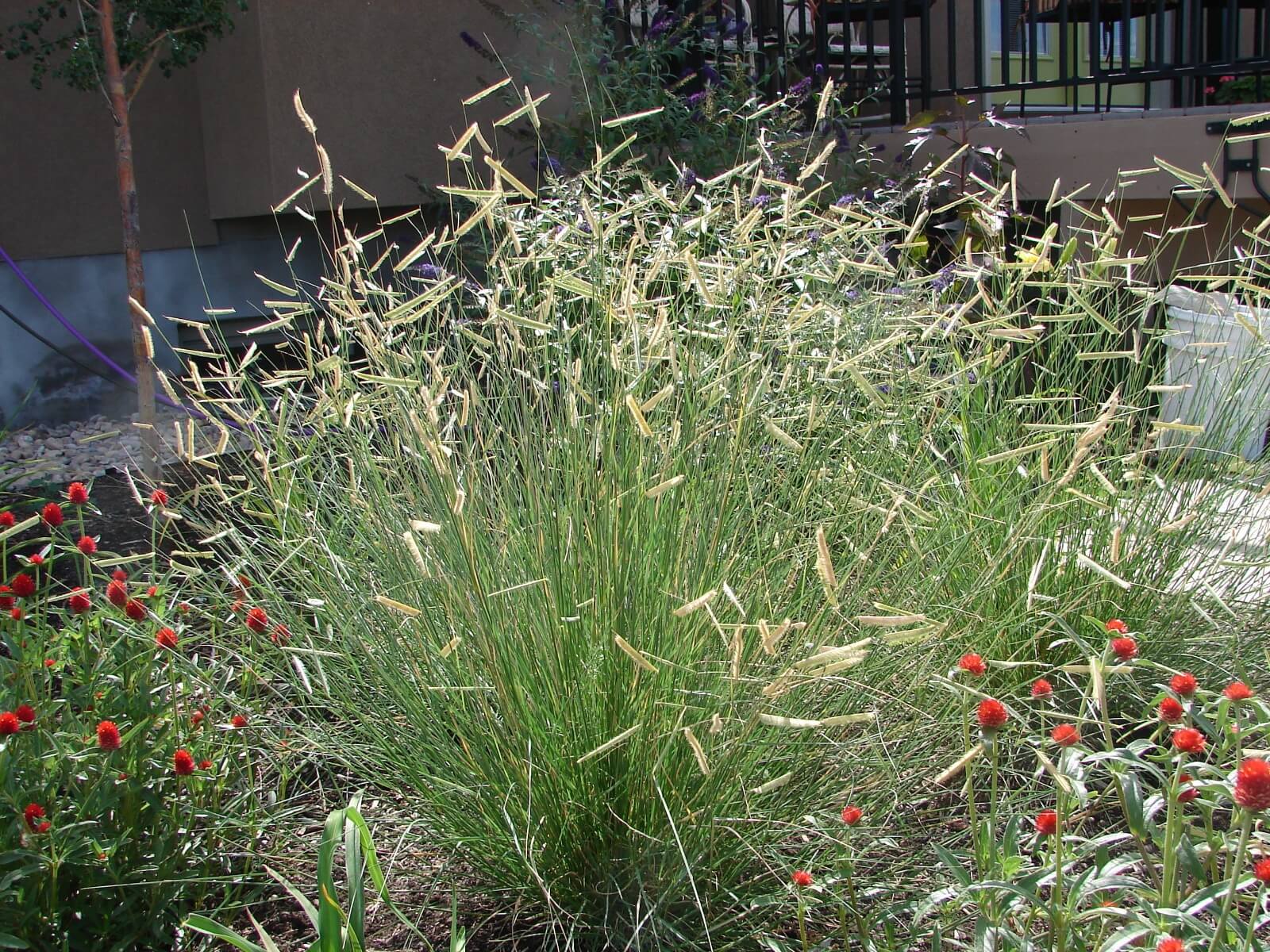
With its fine blue-green blades and signature seed heads, Blue Grama adds beauty to landscapes year-round—lush in summer, golden in fall—and needs very little care to thrive.
Blue Grama Uses
Warm Season Grass
Blue Grama is a resilient, warm-season grass that provides high-quality forage for livestock. Its palatability and ability to withstand heavy grazing make it an excellent choice for sustainable pasture management. Once established, it thrives in various soil types, from sandy to clayey textures.
Deep Roots for Soil Health
With its deep, fibrous root system, Blue Grama effectively stabilizes soil, making it ideal for erosion control on slopes and open grounds. It’s commonly used in rangeland reclamation, roadside plantings, and erosion control projects.
Low Water Need
Blue Grama’s drought tolerance and minimal maintenance requirements make it perfect for low-water-use lawns and naturalistic landscapes. It thrives in full sun and well-drained soils, requiring infrequent mowing and no fertilization.
Supporting Local Wildlife
As a native grass, Blue Grama supports local ecosystems by providing habitat and food for various wildlife, including pollinators and ground-nesting birds. Its presence enhances biodiversity and contributes to a balanced environment.
Ornamental Appeal
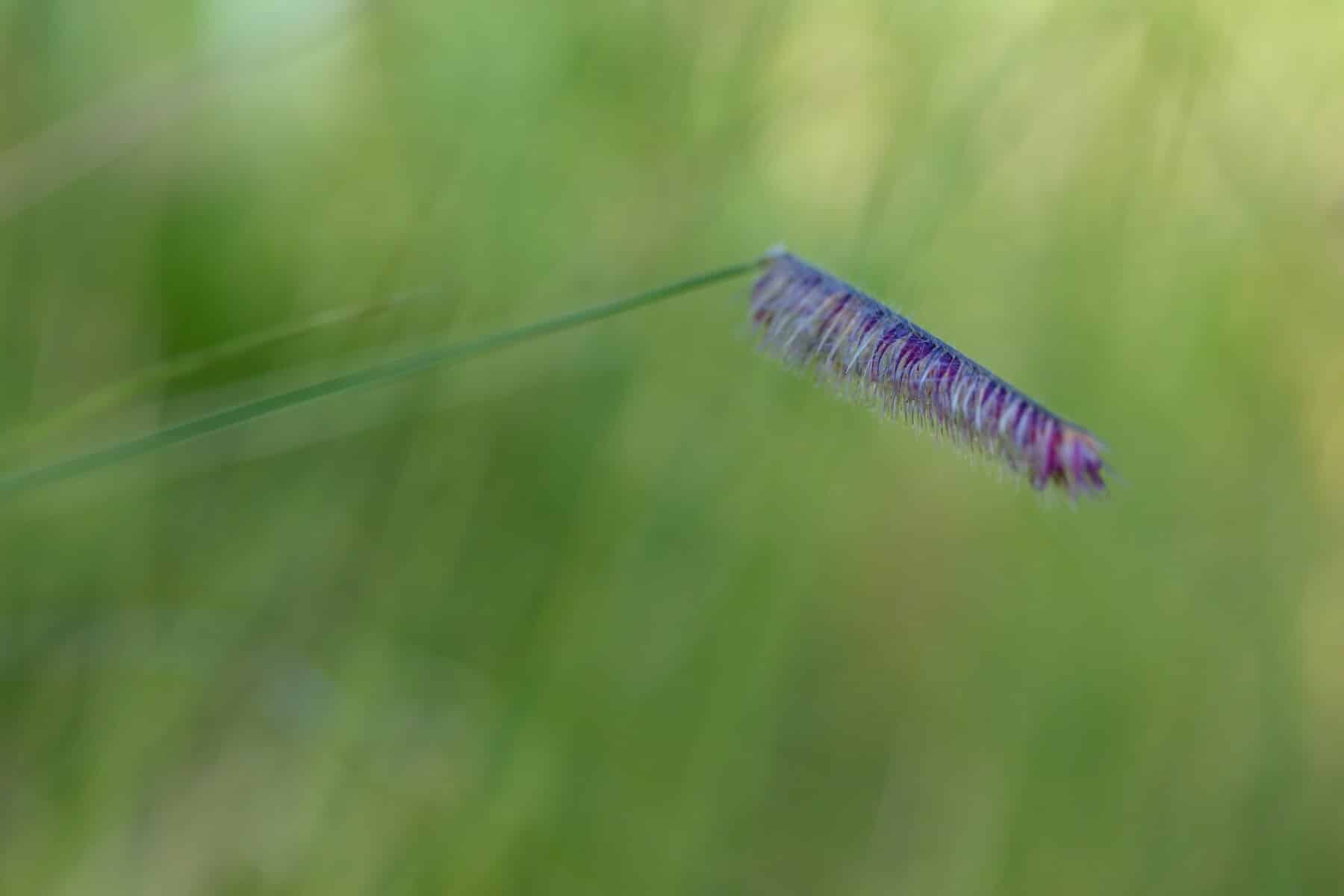
Beyond its practical uses, Blue Grama adds aesthetic value to landscapes with its fine-textured blue-green blades and distinctive eyelash-like seed heads. It’s an attractive addition to ornamental gardens and native plantings.
Helpful Resources
Pasture Seed Planting Guide
Questions & Answers
What is Blue Grama grass and why do landowners plant it?
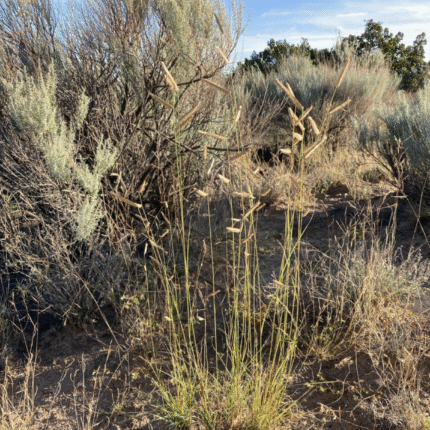
Blue Grama is a native, warm-season perennial grass that grows 10–20 inches tall and is built for dry conditions. Known for its drought toughness and unique eyelash-like seed heads, it offers both practical use and visual appeal.
Landowners plant Blue Grama because it’s incredibly low-maintenance and works well for grazing, erosion control, native restoration, and water-wise landscaping. It holds up in tough climates, thrives on very little water, and is often used alongside Buffalograss for hardy, natural turf.
Is Blue Grama grass good forage for grazing livestock?
Yes. Blue Grama is a high-quality summer forage that cattle and other livestock readily graze. While it doesn’t produce as much volume as taller grasses, it delivers solid nutrition and holds its value even into winter when left standing. Its shorter growth means it’s not ideal for hay, but in a grazing mix, it adds durability and drought tolerance while other species provide bulk.
How do I plant Blue Grama seeds for pasture use?
Start with a clean, firm seedbed and remove competing vegetation. Sow seeds no deeper than 1/4 inch (1/2 inch max), using 1–3 lbs per acre. Plant in late spring or early summer, depending on your region. Keep the soil lightly packed and moist until seedlings establish. Since Blue Grama starts slow, controlling weeds early on and ensuring moisture in the beginning gives you the best chance at a strong pasture.
How much water does Blue Grama need, and is it really drought tolerant?
Absolutely. Once established, Blue Grama can survive on just 7 inches of annual rainfall. It naturally goes dormant during dry spells and quickly comes back when it rains. This makes it perfect for dryland pastures and low-water-use lawns. In most parts of the Great Plains or the Intermountain West, you won’t need to irrigate it at all—ideal for cutting water costs while maintaining healthy forage or cover.
Can Blue Grama withstand heavy grazing, and how should I manage a Blue Grama pasture?
Blue Grama handles grazing well, thanks to its low-growing points that protect it from being overgrazed. It recovers fast and can form dense sod, especially in cooler areas. To keep it productive, graze it above 3 inches during the growing season and rotate or rest your pasture periodically. This helps the grass reseed and stay strong year after year.
Can Blue Grama grass be used as a low-maintenance lawn or ornamental grass?
Definitely. Blue Grama works great for natural-looking, water-saving lawns. Its fine blades and unique seed heads create a soft, prairie-style turf that doesn’t need much mowing, fertilizer, or water. You can leave it unmowed for a more natural look, or trim it occasionally for tidiness.
Still Have Questions?
Our seed experts are ready to help you find the perfect seed for your project.
1-866-322-7300 Ask a Seed ExpertCustomer Reviews
See what real customers are saying. All reviews are collected and verified by Shopper Approved, an independent third party.