

Quality Highlights
| Every Seed Grows We don't pad bags with dead seed or filler. What's in the bag is what grows in your yard. | |
| Independently Tested, Every Batch Each lot is tested by a third-party lab for germination and purity before it ships to you. | |
| Grown on American Farms Our seed comes direct from U.S. growers we know personally — not a middleman warehouse. | |
| Clean Seed, No Shortcuts No coatings to inflate weight, no GMOs, no cheap filler species. Just seed. |
Free shipping on all orders under 125 lbs!
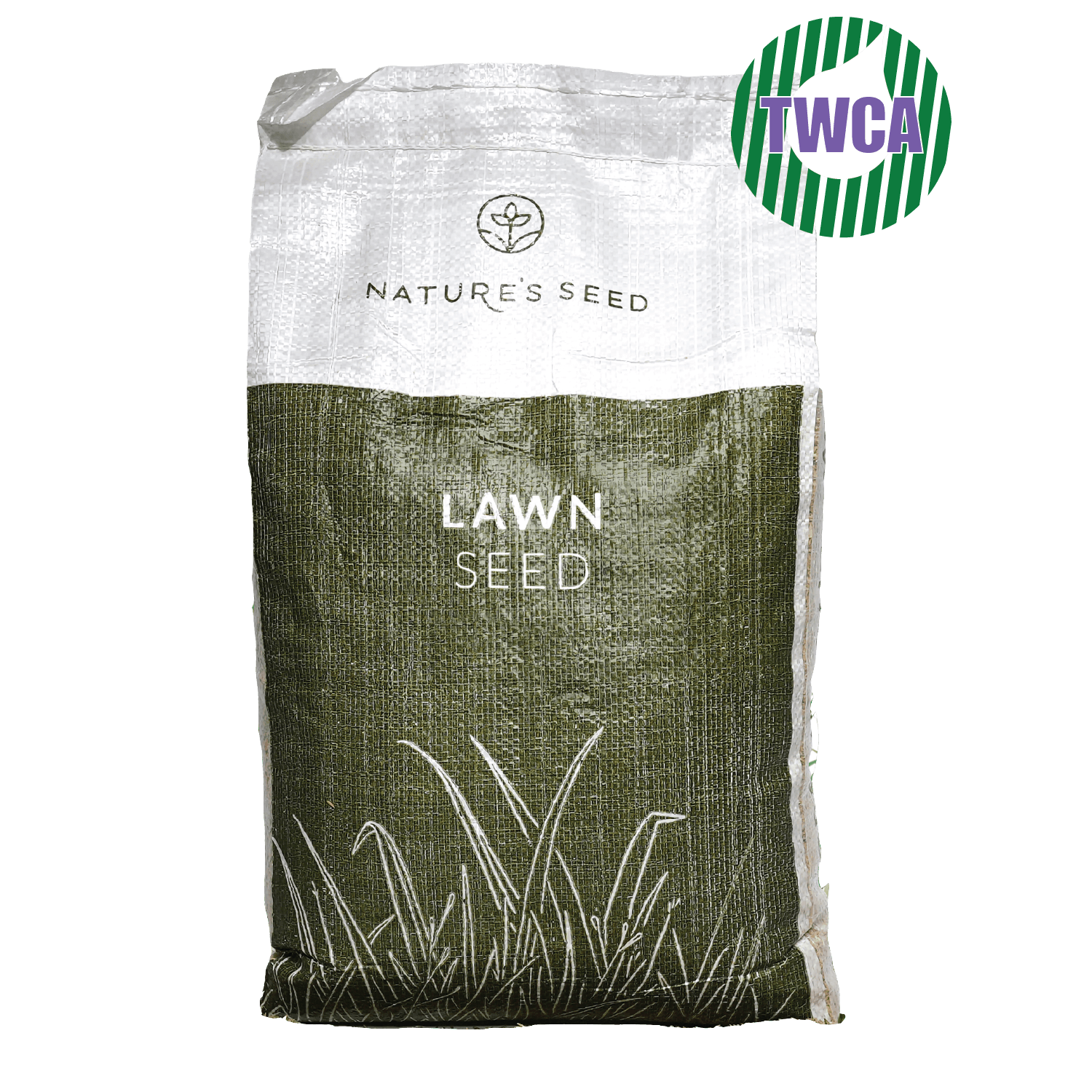
Lawn Seed
Check your ZIP code to know if this seed works for you
Grass Seed Mix for Shady Areas
SKU: TURF-WSHD
Planting Aids for your Seed
What is TWCA Water-Wise Shade Mix?
TWCA Water-Wise Shade Mix is a premium lawn seed blend engineered for lush growth in shady areas while using far less water than a traditional lawn. This Turfgrass Water Conservation Alliance (TWCA) certified mix combines drought-tolerant tall fescue and fine fescue grasses with a touch of self-repairing bluegrass to create a medium-to-dark green, fine-textured turf that thrives in partial shade. Once established, it can stay green and healthy with up to 40% less irrigation than standard grass blends. Designed for USDA Hardiness Zones 4–8, it’s ideal for transitional climates – handling cold winters and hot summers – and perfect for homeowners seeking a beautiful, water-saving lawn in areas with limited sun exposure.
What's in This Mix
Provides the deep-rooted, shade-tolerant foundation of this mix with strong durability under tree canopies.
Excels in low-light, low-fertility conditions, filling in dry shaded areas where other grasses struggle.
Adds fine texture and dense growth in shade, improving overall lawn appearance under trees and overhangs.
Contributes rhizomatous self-repair in the mix's sunnier pockets, helping the lawn recover from wear.
Specifications
Seeding Specs
Water Needs
Low water needs once established (about 1″ per week, including rain)
Soil Preference
Adaptable to most soil types; prefers well-drained loam
Soil pH
6.0 – 7.0
Planting Depth
1/8 – 1/4 inch deep
Establishment Specs
Height
~4–6 inches
Color
Medium to dark green turf, fine-bladed texture
Uses
Home Lawns; Water-Conscious / Drought-Tolerant; Shade-Friendly
Native/Introduced
Introduced cool-season grasses
Why Choose This Seed?

Drought Tolerant & Water-Wise
This mix is TWCA-certified for water efficiency, proven to stay green with significantly less irrigation – up to about 40% less water than a typical lawn. Deep-rooted tall fescue enhances drought resilience, so your lawn stays lush while saving on water bills.

Shade-Optimized for Partial Sun
Engineered for shady conditions, it contains fine fescues (Chewings and hard fescue) that excel in partial shade, such as under trees or alongside buildings. With as little as 4–6 hours of filtered sunlight, this blend will establish a thick, green carpet where many other grasses would thin out.

Deep Roots & Self-Repairing Resilience
The tall fescue in this mix develops deep roots that tap into soil moisture and withstand heat. A small portion of Kentucky bluegrass adds self-spreading rhizomes that help fill in small bare spots over time. The result is a lawn that bounces back from stress and maintains density without constant overseeding.

Fine Texture & Rich Green Color
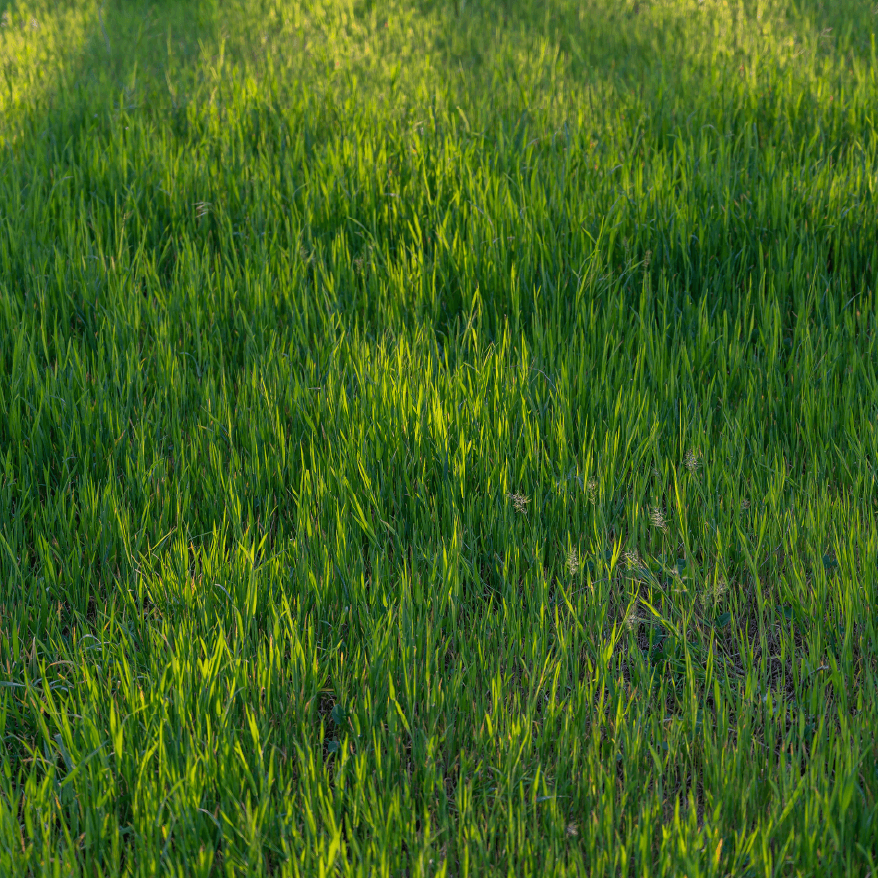
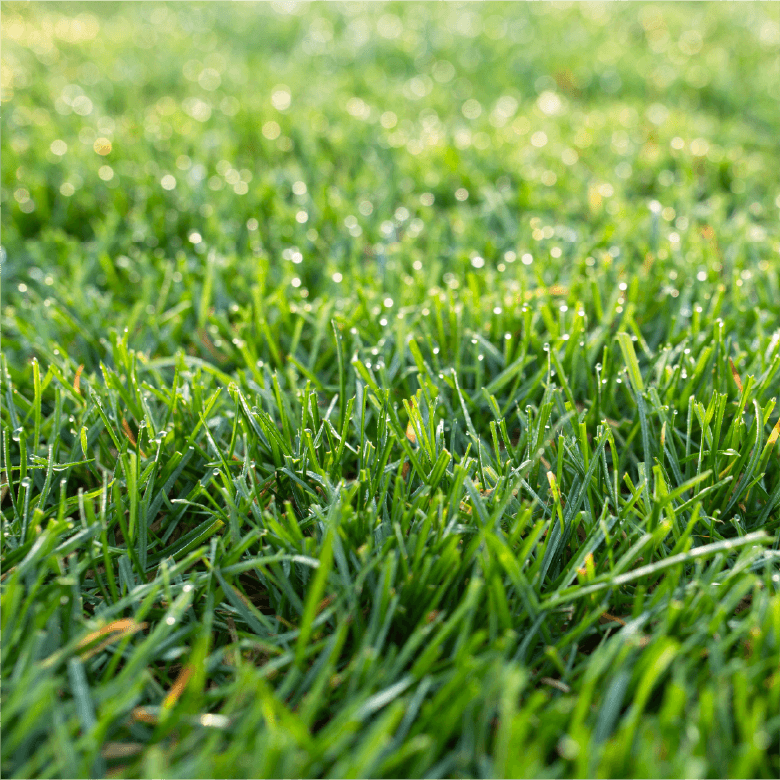
Enjoy an elegant lawn appearance. This blend yields grass with a soft, fine texture that feels great underfoot. It boasts a rich medium- to dark-green color from spring through fall, giving you a picture-perfect turf that looks dense and healthy even in challenging shade environments.

Low Maintenance, High Performance
Spend less time on upkeep. The slow-growing fescues in this mix mean you mow less often and don’t need heavy fertilization. It naturally resists drought and many pests (thanks to endophyte-enhanced seed varieties), so it stays thick and vibrant with minimal chemical inputs. In short, you get a beautiful lawn with lower water use and reduced maintenance – perfect for the busy, eco-conscious homeowner.
Planting Guide

Step 1: Soil Preparation
Achieving a great lawn starts with preparing the foundation. Clear the area of any weeds or old lawn – remove or kill existing grass so new seedlings won’t have competition. Loosen the top ~2–3 inches of soil and break up large clods; a fine, crumbly seedbed ensures good seed-to-soil contact. If the soil is poor or compacted, consider working in compost to improve fertility and drainage. Rake the area to remove rocks and debris and to create a level surface. Finally, lightly firm the soil (for example, use a roller or simply walk over it) so that it’s flat and lightly compact – you should leave only a shallow footprint (~1″ deep) when walking on it. A smooth, even grade will help prevent water pooling in low spots.
Step 2: Seeding
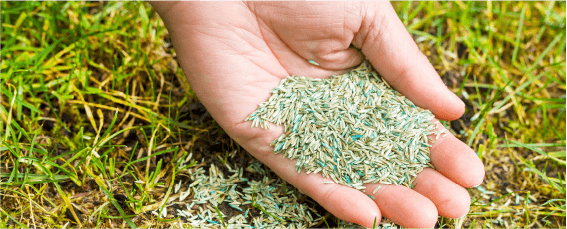
For best results, sow seed in early fall or spring when temperatures are moderate (cool-season grasses establish best when daytime highs are around 60–75 °F). Spread the TWCA Shade Mix at about 5 lbs per 500 sq. ft.evenly across the area. Using a broadcast spreader is recommended for uniform coverage – apply half the seed while walking north-south, and the other half east-west to avoid striping. After spreading, gently rake the seeds into the topsoil so that they are covered by about 1/8–1/4 inch of soil. Good seed-to-soil contact is critical for germination: you can also lightly roll or tamp the seeded area to press seeds in. If you’re planting on a slope or during windy/dry conditions, you may apply a thin layer of clean straw mulch or peat moss to help retain moisture and protect the seed. (Keep the mulch layer light – you should still be able to see some soil through it, as seeds need some light and air.)

Step 3: Watering & First Mow
Water immediately after seeding. Use a fine mist or gentle sprinkler to thoroughly moisten the top 1–2 inches of soil without washing the seeds away. For the first 2–3 weeks, keep the seedbed consistently damp – this may require light watering once or twice a day (especially if weather is hot or dry) so that the topsoil never dries out. Avoid puddles or runoff; the goal is persistent moisture, not waterlogging. As seedlings emerge (usually beginning about 1–2 weeks after planting for fescues, a bit longer for bluegrass), gradually transition to less frequent, deeper watering. After the first few weeks, you can start watering once every 2–3 days, but apply more water each time so it penetrates deeper into the soil. By about 4–6 weeks in, you should be able to water more heavily just 1–2 times per week as the young grass establishes deeper roots.
Your first mow can typically happen around 4–6 weeks after seeding, once the new grass reaches ~4 inches tall. Make sure the soil is reasonably firm and not soggy before mowing to avoid uprooting tender shoots. Use a sharp mower blade set high (about 3 inches cutting height) for the first cut. Follow the “one-third rule” – never remove more than one-third of the grass blade length in a single mow. For example, if you plan to maintain the lawn at 3″, mow when it reaches ~4–4.5″. This gentle first mowing will tidy up the lawn without shocking the young grass.

Step 4: Ongoing Maintenance
Once your lawn is established (after ~2 months and a couple of mowings), it becomes much easier to care for. Water deeply but infrequently to encourage the roots to grow downward. In general, aim to give the lawn about 1 inch of water per week (through rainfall or irrigation) once established. It’s better to deliver that in one or two deep watering sessions rather than daily light sprinklin. Deep watering trains the roots to seek moisture deeper in the soil, improving drought tolerance, whereas frequent shallow watering keeps roots near the surface. Always adjust for weather: you may need to water a bit more during hot, dry spells, and much less during cool or wet periods. A good rule of thumb is to water when the top few inches of soil have dried out – if the top 4–6 inches are dry, it’s time to water deeply.
Mow the lawn regularly to keep it healthy and dense. Mow about once a week during the active growing season, maintaining a height of around 2.5–3″. This mix actually performs best when kept on the taller side (closer to 3″), especially in summer – taller grass height provides more shade to the soil, conserving moisture and suppressing weeds. In mid-summer heat, you can even raise the mower to ~3.5″ for additional stress protection. Continue to follow the one-third rule for mowing; cutting a little off the top more frequently is better for the grass than letting it overgrow and scalping it. You can leave grass clippings on the lawn (“mulch mow”) as long as they aren’t piling up in clumps – the small clippings will decompose and return nutrients to the soil, reducing the need for fertilizer.
Beyond watering and mowing, this Water-Wise Shade lawn doesn’t demand much fuss. Feeding with a balanced slow-release fertilizer once or twice a year (e.g. early fall and/or spring) can help maintain optimal color and growth, but the fine fescues in the mix are fairly low-fertility requiring. Monitor for weeds or pests, but the dense turf and endophyte-enhanced seeds help naturally minimize those issues. With these basic practices, your water-wise lawn will remain green, thick, and healthy with minimal intervention.
Helpful Resources
Lawn Seed Planting Guide
How Much Sun Does a Perennial Ryegrass Seed Lawn Require
The Best Time to Water Your Grass
Customer Reviews
See what real customers are saying. All reviews are collected and verified by Shopper Approved, an independent third party.
You May Also Like


Go Anywhere
Even Coverage
From Original price was: $97.99.$89.99Current price is: $89.99.
25 lb Capacity, Slopes & Hills, Seed & Fertilizer, Stores Flat
See Details