
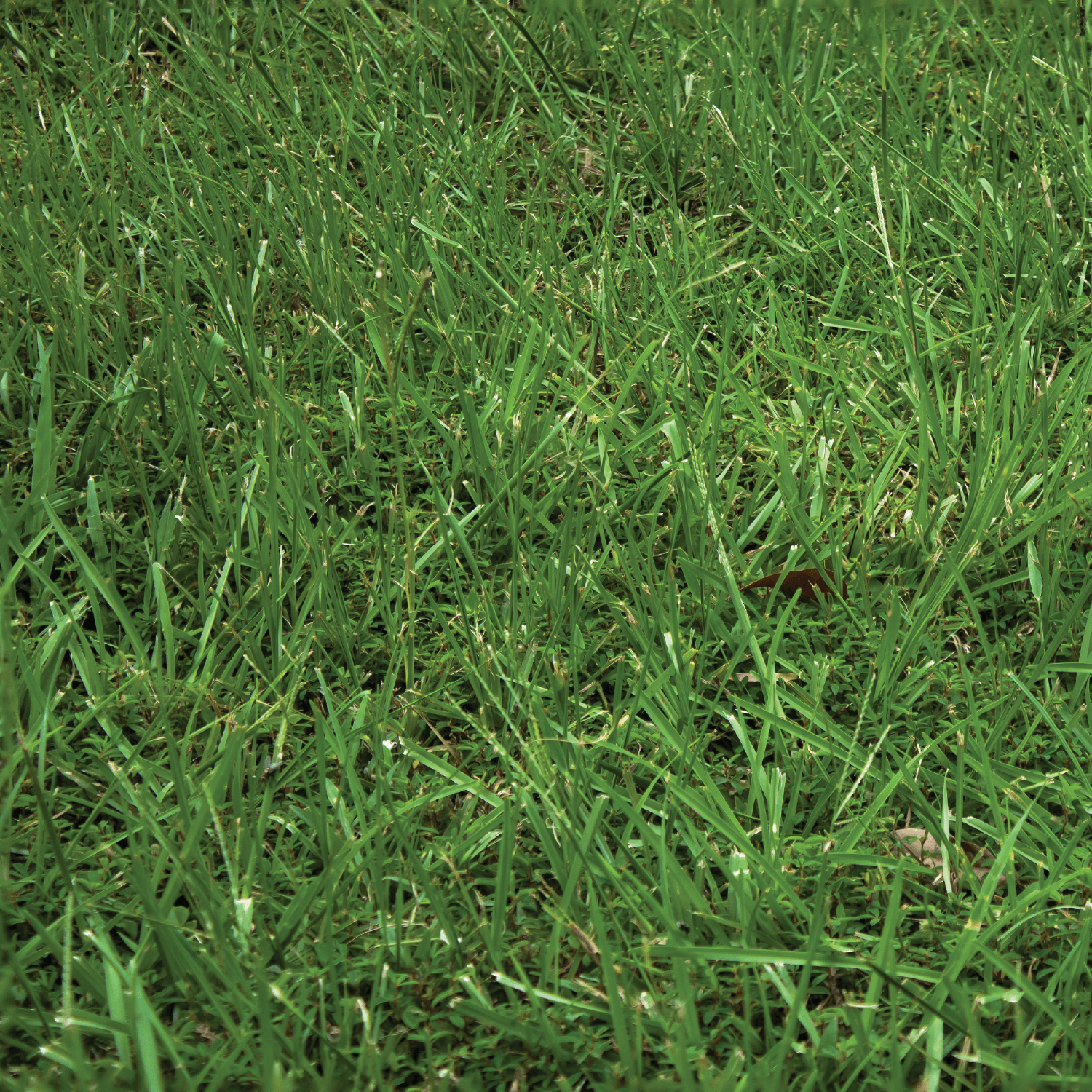
High-traffic
Water Saving
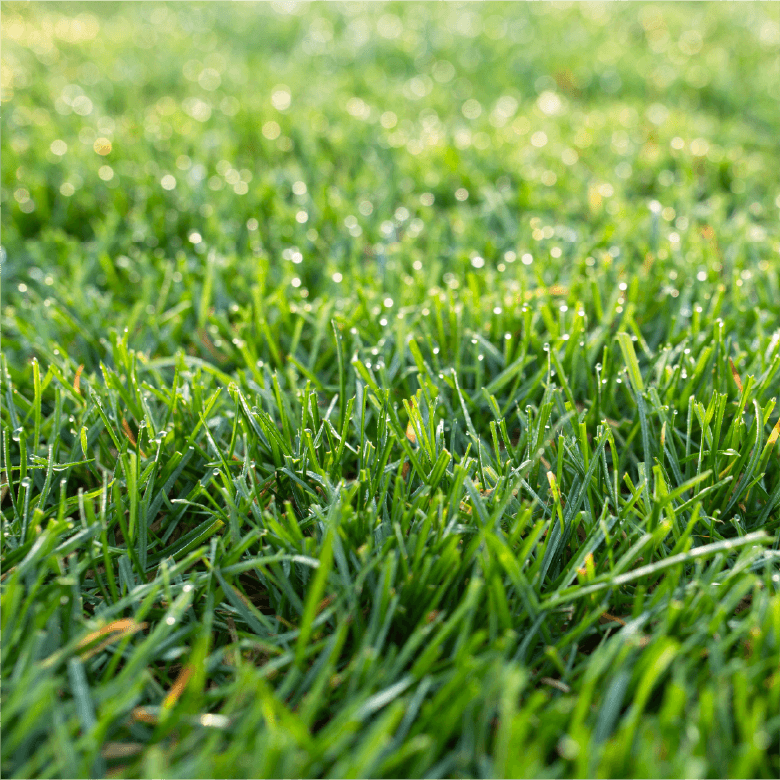

From $39.99
Medium-to-coarse texture, Full Sun/Partial Shade, 3a-7b, Moderate Maintenance
See Details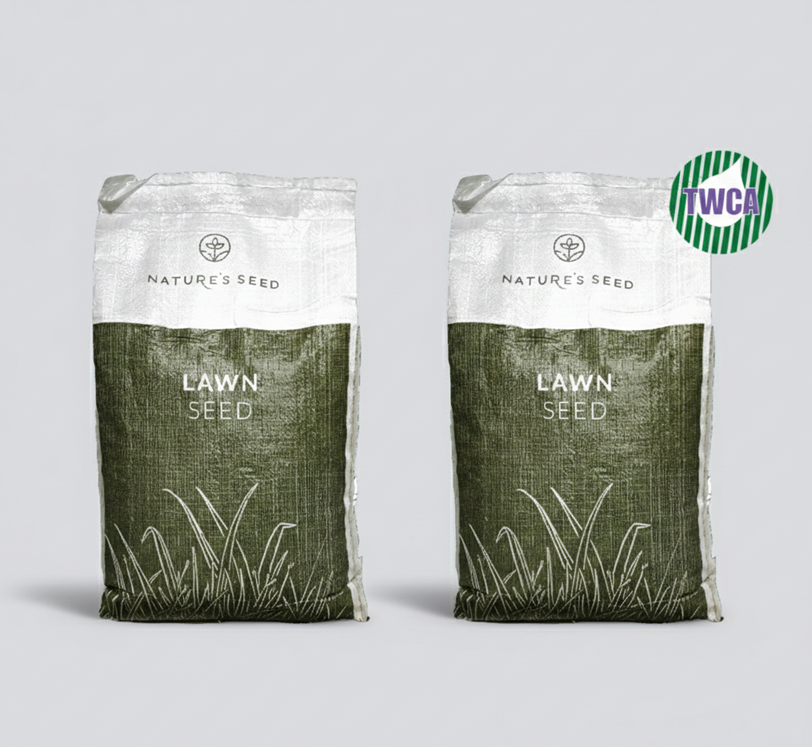
Transitional Lawn Seed for the Toughest Climate Zone
The transitional zone — stretching from Virginia to Kansas and down through Tennessee and North Carolina — is too hot for pure cool-season grasses and too cold for pure warm-season grasses. Our transitional lawn blends solve this challenge with species that handle both summer heat and winter cold.
• Tall Fescue — the backbone species for heat tolerance, drought resistance, and year-round color
• Kentucky Bluegrass — self-repairing sod and dense turf
• Perennial Ryegrass — quick establishment and fill
Each blend is formulated for the specific challenges of this zone, including temperature swings, variable rainfall, and clay-heavy soils common across the mid-Atlantic and upper South. Whether you’re establishing a new lawn or overseeding an existing one, our USDA-tested seed delivers a thick, green turf that handles summer heat without dying in winter.
No fillers, no weed seed, no GMOs. For cooler climates, browse our northern lawn seed. For warmer regions, check out our southern lawn seed. Free shipping on every order.
———
Frequently Asked Questions
Q: Why is the transitional zone so difficult for lawns?
A: The transitional zone (roughly USDA zones 6-7) experiences both hot summers and cold winters. Pure cool-season grasses like Kentucky Bluegrass struggle in summer heat, while pure warm-season grasses like Bermudagrass go dormant or die in winter cold. Tall Fescue-based blends are the best solution because they tolerate both extremes.
Q: What is the best grass for the transitional zone?
A: Tall Fescue is the backbone species for transitional lawns. It handles heat, drought, and cold better than most other cool-season grasses. Our blends also include Kentucky Bluegrass for self-repair and Perennial Ryegrass for fast establishment.
Q: When should I plant transitional lawn seed?
A: Early fall (September-October) is ideal for transitional zone lawns. The warm soil promotes quick germination while cooler air temperatures reduce stress. Early spring (March-April) is a secondary option.
Q: Will transitional lawn seed work in clay soil?
A: Yes. Tall Fescue is particularly well-suited to the heavy clay soils common across the mid-Atlantic and upper South. Its deep root system penetrates compacted soils better than shallow-rooted species.
Q: How often should I overseed a transitional zone lawn?
A: Annual overseeding in early fall helps maintain density. Tall Fescue is a bunch-type grass that doesn’t spread by runners, so overseeding fills thin spots and keeps the lawn thick and weed-resistant.
