
Quality Highlights
| Every Seed Grows We don't pad bags with dead seed or filler. What's in the bag is what grows in your yard. | |
| Independently Tested, Every Batch Each lot is tested by a third-party lab for germination and purity before it ships to you. | |
| Grown on American Farms Our seed comes direct from U.S. growers we know personally — not a middleman warehouse. | |
| Clean Seed, No Shortcuts No coatings to inflate weight, no GMOs, no cheap filler species. Just seed. |
Free shipping on all orders under 125 lbs!
Lawn Seed
Check your ZIP code to know if this seed works for you
Sundancer Buffalograss Lawn Seed
SKU: LAWN-BUDA
Planting Aids for your Seed
What is the Sundancer Buffalograss Lawn Seed
Transform your lawn with Sundancer Buffalograss – a breakthrough warm-season turfgrass that delivers a lush, green lawn with up to 50–75% less water than traditional lawns. This native, drought-tolerant grass offers homeowners a beautiful low-maintenance lawn that thrives in heat while saving you time, water, and money.
Specifications
Seeding Specs
Water Needs
Very low once established (about 1/3 the water of a traditional lawn)
Soil Preference
Well-drained loam (avoids waterlogged or very sandy soils)
Soil pH
6.0–7.5 (optimal range)
Planting Depth
1/4–1/2 inch deep
Establishment Specs
Height
4–6 inches at maturity (unmowed)
Color
Dark green in summer; turns tan/brown when dormant in winter
Uses
Low-maintenance lawns, home landscapes, xeriscaping, erosion control
Native/Introduced
Native - North American prairie origin
Why Choose This Seed?
Water-Saving & Eco-Friendly
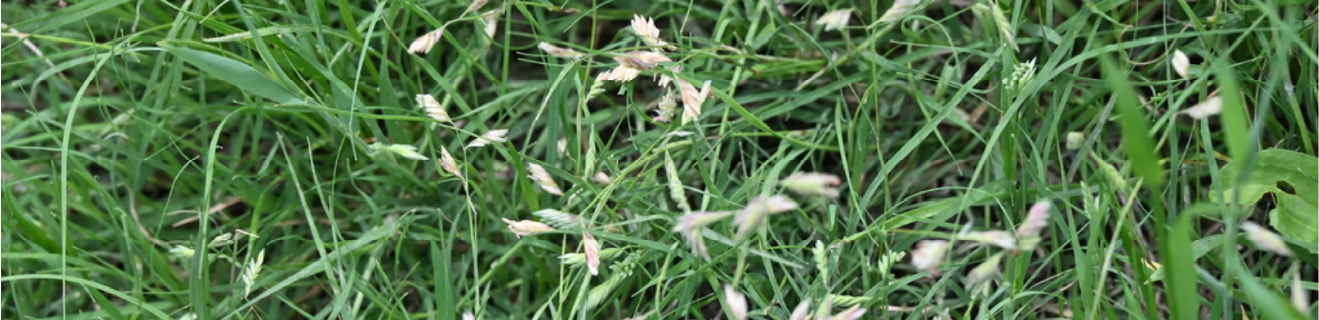
Sundancer Buffalograss is exceptionally drought-tolerant, staying green and attractive on a fraction of the water required by bluegrass or fescue. Its low water and fertilizer needs mean a sustainable lawn that’s easier on the environment (and your wallet). Once established, Sundancer can survive on rainfall alone in many climates, making it ideal for xeriscaping and water-conscious homeowners.
Fast Establishment from Seed
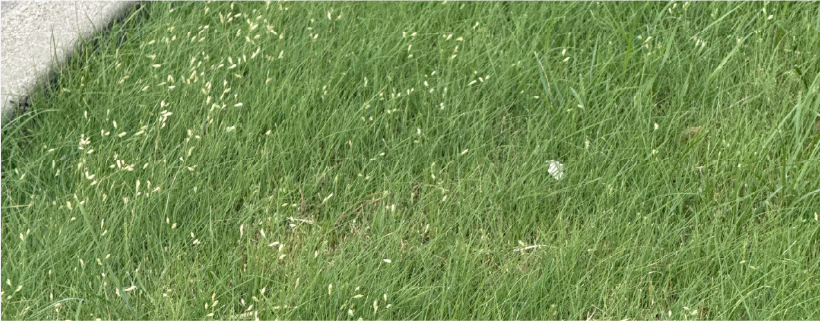
Get a lawn faster than ever with Sundancer’s exceptional seedling vigor. This variety was bred to establish quickly, providing full coverage in as little as 8–10 weeks under optimal conditions. That’s significantly faster than older buffalograss types, so you can enjoy your new lawn in the very first season. Its aggressive lateral spreading (via stolons) fills in bare spots quickly, outpacing weeds and saving you from lengthy grow-in periods.
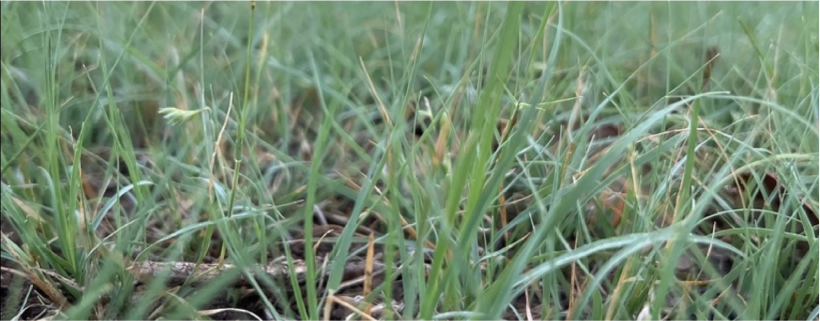
Lush, Dark Green Turf
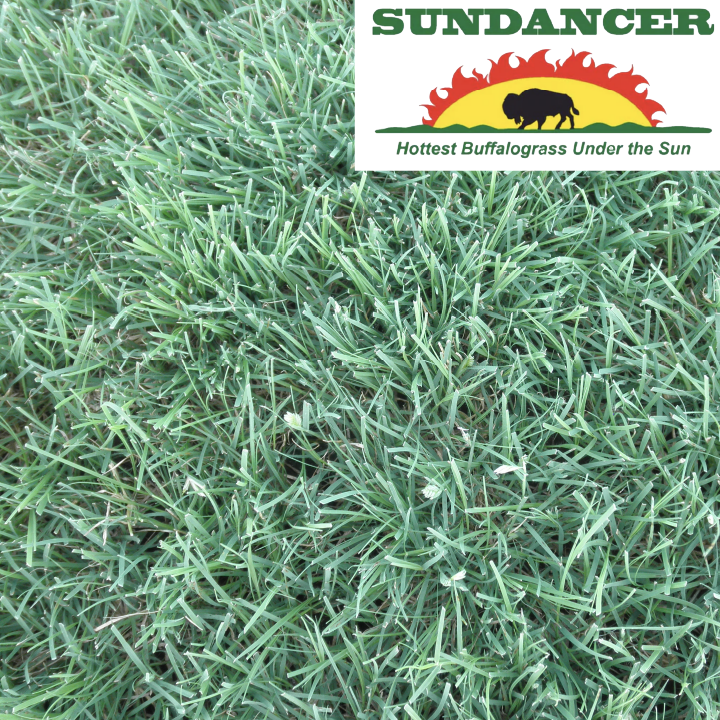
Unlike common buffalograss that can appear pale, Sundancer boasts a rich, dark green color and fine, dense texture. It was developed by the University of Nebraska (with the Native Turf Group) to enhance turf quality – and it shows. The result is a soft, carpet-like lawn that’s both attractive and comfortable for bare feet. You get the beauty of a traditional lawn without the high input requirements.
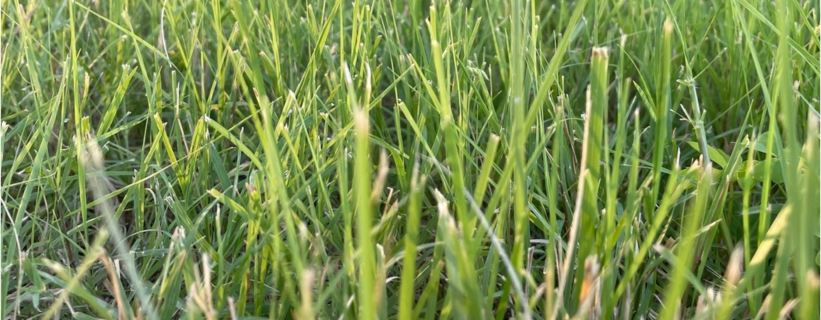
Low Mowing & Easy Care
Say goodbye to constant mowing and heavy upkeep. Sundancer naturally grows to only about 4–6 inches tall, meaning it seldom needs mowing (perhaps once every 2–3 weeks or even less). It doesn’t produce heavy thatch and thrives with minimal fertilizer (about 0–2 lbs nitrogen per year is plenty). This grass is also naturally pest- and disease-resistant, so it requires no routine pesticide treatments. Overall, it delivers a lush lawn with a fraction of the usual labor – perfect for busy or first-time homeowners.
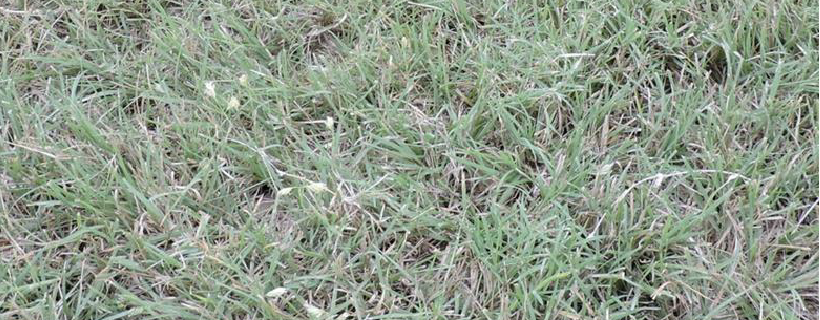
Proven Adaptability & Hardiness
Sundancer is a university-developed variety proven across multiple states and climates. In trials from Arizona to Virginia, it outperformed other buffalograss cultivars in turf quality, color, and overall performance. It thrives in the hot summers of the southern Great Plains and Desert Southwest, yet is cold-hardy through zone 6. Early spring green-up and excellent fall color retention extend its season of beauty. From high heat and sun to moderate cold and drought, Sundancer Buffalograss stands tough, making it a reliable choice for lawns in a wide range of U.S. regions.
Planting and Growth Guide
Optimal Planting Time
Sow Sundancer buffalograss in late spring through midsummer when soil temperatures are consistently above 60 °F. This warm-season grass germinates best in warm soil, so planting from May to July is ideal. (In cooler regions, early spring sowing will stay dormant until soil warms in late spring.) Avoid late fall planting unless doing a dormant seeding after frost – dormant seed will simply sprout the following spring.
Site Preparation
Start with a well-prepared, weed-free seedbed for best results. Clear out any existing turf or weeds (these can outcompete young buffalograss seedlings). Loosen the topsoil and remove debris, then level and firm the area. Aim for a fine, firm seedbed – you should be able to walk on it with only slight sinking. Buffalograss prefers well-draining soil, so amend heavy clay with compost if needed (and avoid areas that stay soggy). If soil is very sandy, mix in organic matter to improve water retention. A quick soil test is helpful: ensure pH is around 6–7.5 and correct any major nutrient deficiencies before planting.
Seeding Rate and Method
Broadcast or drill the seed at 3 lbs per 1,000 sq. ft. for thick coverage. (This higher seeding rate helps achieve a full lawn in one season.) Distribute the seed evenly across the area; using a spreader can help. Rake very lightly or drag a piece of carpet/mesh over the seeded area to work seeds into the top 1/4″ of soil – do not bury them deep (1/2″ is the maximum depth). After seeding, ensure good seed-to-soil contact by rolling the area or gently walking it down. Tip: Buffalograss seeds often come in burr form; if possible, use primed or treated burrs for faster germination (our Sundancer seed is primed for quick sprouting).
Watering and Early Care
Proper watering is crucial at the start. Immediately after seeding, water the area thoroughly to settle the seed. Then keep the soil consistently moist (but not waterlogged) during germination – light daily waterings may be needed if weather is dry. Expect seedlings to emerge in about 7–21 days with warm soil temperatures. Once seedlings appear, continue moderate watering for the first 6–8 weeks to encourage growth and spreading. Do not apply any pre-emergent herbicides (crabgrass preventers) at seeding or on new seedlings, as these will stop buffalograss germination. If weeds pop up, you can mow them down at a height just above the buffalograss seedlings – this lets sunlight reach the grass and helps the buffalograss spread without weed competition. Around 3–4 weeks after germination, consider a light fertilizer feeding to give young buffalograss a boost (avoid “weed-and-feed” products initially).
Establishment to Maintenance Phase
As Sundancer buffalograss fills in, begin scaling back watering to encourage deep roots. After the lawn is mostly covered, water more infrequently but deeply – this trains the grass to be drought-hardy. At this point (usually 2–3 months in), your buffalograss lawn will survive with minimal irrigation. Mow infrequently during establishment; even if it’s not tall, mowing every few weeks can encourage the grass to spread out and thicken. By the end of the first growing season, you should have a fairly uniform lawn. Going forward, maintain your Sundancer lawn with low inputs: water once a week or less in dry summer conditions (buffalograss can survive on much less), and fertilize at most once a year (excess fertilizer or water can actually invite more weeds). Each spring, buffalograss will green up as temperatures rise – a quick mow or rake to remove winter debris is usually all that’s needed to start the season. Enjoy your easy-care lawn!
Helpful Resources
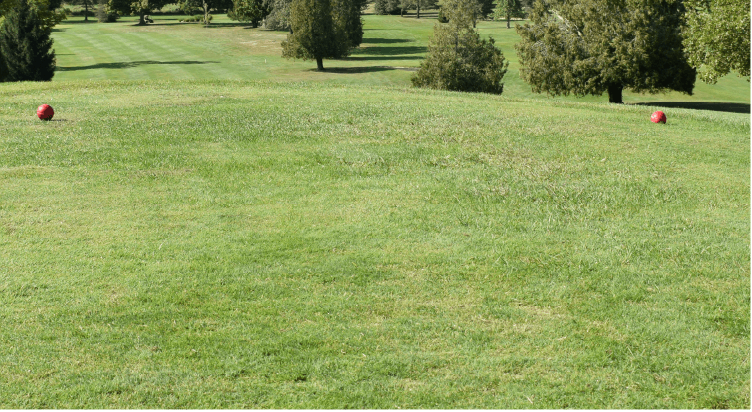
Planting Instructions
Questions & Answers
What is Sundancer Buffalograss best used for?
Sundancer Buffalograss is best for creating a low-maintenance, drought-tolerant lawn. It’s perfect for home lawns in regions where water conservation is important or where summer heat makes cool-season grasses struggle. Homeowners choose Sundancer to get a beautiful turfgrass lawn that requires much less mowing and watering than a traditional lawn. It’s also useful for large landscapes, parks, or erosion control on slopes, since it can cover ground with minimal upkeep. (As a native prairie grass, buffalograss has even been used for pasture grazing, but Sundancer is specifically bred for turf use – making it ideal for lawns.)
Which regions is this grass best suited for?
Sundancer thrives in warm and sunny climates. It is best suited for the southern half of the U.S. – for example, the Southern Plains, Southwest, and lower Midwest – roughly USDA hardiness zones 6 through 10. It loves hot summers and tolerates cold winters down to about −10°F. In more northern areas (zones 4–5), buffalograss can survive the winter, but the shorter growing season and cool spring may reduce its performance (it will green up late). Importantly, buffalograss needs plenty of sun; it will not do well in shady yards or under dense tree cover. If your region has full sun and occasional summer droughts, Sundancer Buffalograss will likely do great.
When is the best time to plant Sundancer Buffalograss?
The best time to plant is in late spring to early summer. Once your soil temperatures reach about 60 °F consistently (typically May or June in many areas), buffalograss seed will germinate readily. You can plant through June and even into July with good results (and irrigation). Planting in mid-summer is fine as long as you can water to establish it. Avoid late summer or fall seeding unless you’re in a mild climate – seeds started too late (August or later in colder zones) may not mature enough before frost. An alternative for fall is dormant seeding: sow the seed after your first hard frost in fall; the seeds will lay dormant over winter and sprout when soil warms in spring. For most homeowners, aiming for that late spring window yields the best outcome.
How much seed do I need and how much area does it cover?
We recommend seeding 3 pounds per 1,000 square feet for Sundancer Buffalograss. In other words, a 3 lb bag will cover about a 1,000 sq. ft. lawn. One pound of seed covers roughly 200 sq. ft. at this rate. This heavier seeding rate ensures a thick, full lawn within one growing season. Buffalograss seed is sold in bulk bags, so calculate your lawn’s square footage and plan on ~3 lbs per 1,000 sq. ft. For best results and the quickest fill-in, we suggest sticking to the 3 lbs/1000 sq. ft. rate with Sundancer.
How long does it take to establish a buffalograss lawn from seed?
You can achieve a usable lawn in the first season. You’ll see seedlings within 1–3 weeks of planting (depending on warmth). With good care (consistent moisture and weed control), full coverage can occur in about 2–3 months. Many customers report that Sundancer filled in completely in around 8–10 weeks under prime summer conditions. By the end of the growing season, you should have a thick turf. Keep in mind that buffalograss will continue to mature and get even denser in its second year as it comes back from winter. But compared to older buffalograss varieties that might take 2 years to really fill in, Sundancer is fast – you’ll be enjoying a green, established lawn by the fall of the planting year.
Does a buffalograss lawn require a lot of maintenance (watering, mowing, fertilizing)?
No – buffalograss is one of the lowest-maintenance lawn grasses you can grow. Once established, it needs far less watering than traditional lawns (often maintaining color with 50%–75% less irrigation). In many regions, you can largely rely on natural rainfall after the lawn is established, only watering during extended dry spells. Mowing is infrequent: buffalograss grows to about 4–6 inches and then stops, so you might mow once every few weeks just to keep it tidy. If left unmowed, it won’t get much taller than around 6 inches, and it has a soft, prairie-like look. Fertilizer needs are minimal – about 1 pound of nitrogen per 1,000 sq. ft. per year (or even none if you prefer) is typically enough. In fact, over-fertilizing or over-watering buffalograss can encourage weeds and is not recommended. You also won’t need to worry about frequent pest or disease treatments, as Sundancer has good natural resistance. Overall, routine lawn chores are greatly reduced: just mow occasionally, water sparingly, and enjoy your lawn!
Still Have Questions?
Our seed experts are ready to help you find the perfect seed for your project.
1-866-322-7300 Ask a Seed ExpertCustomer Reviews
See what real customers are saying. All reviews are collected and verified by Shopper Approved, an independent third party.
You May Also Like
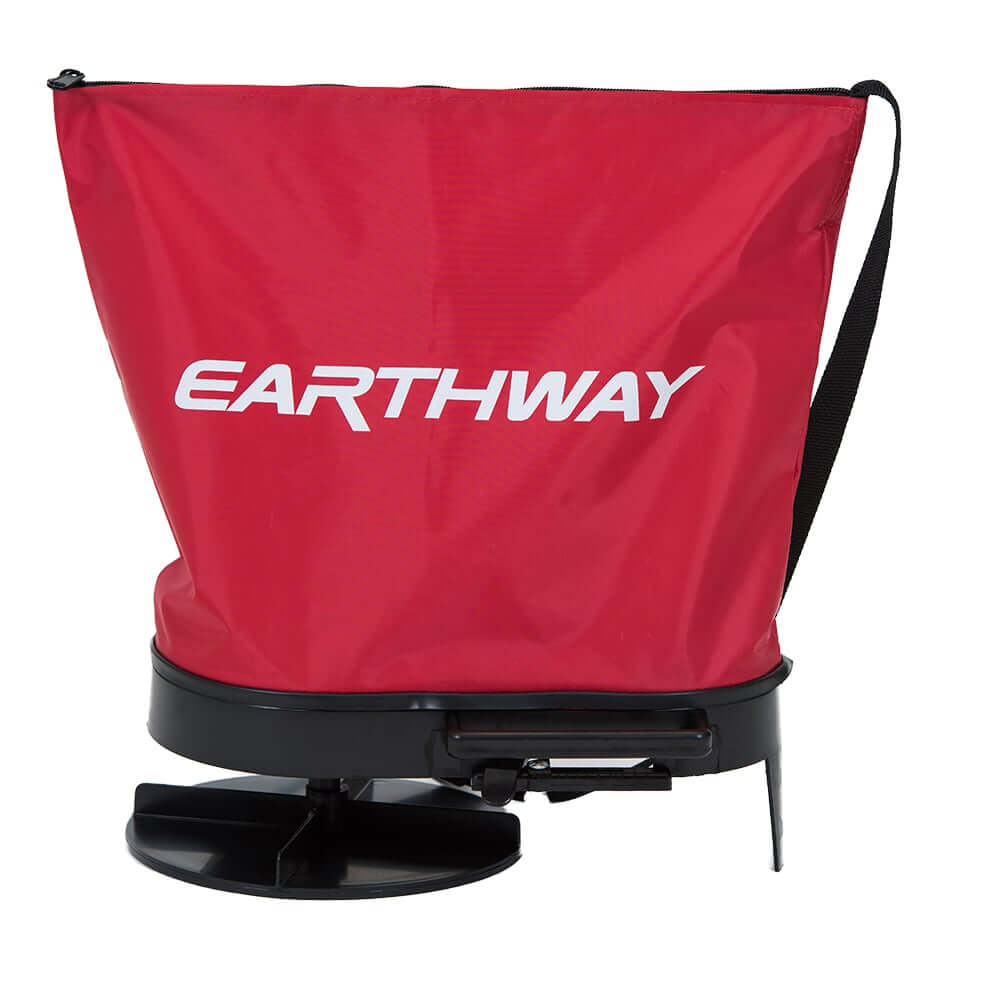
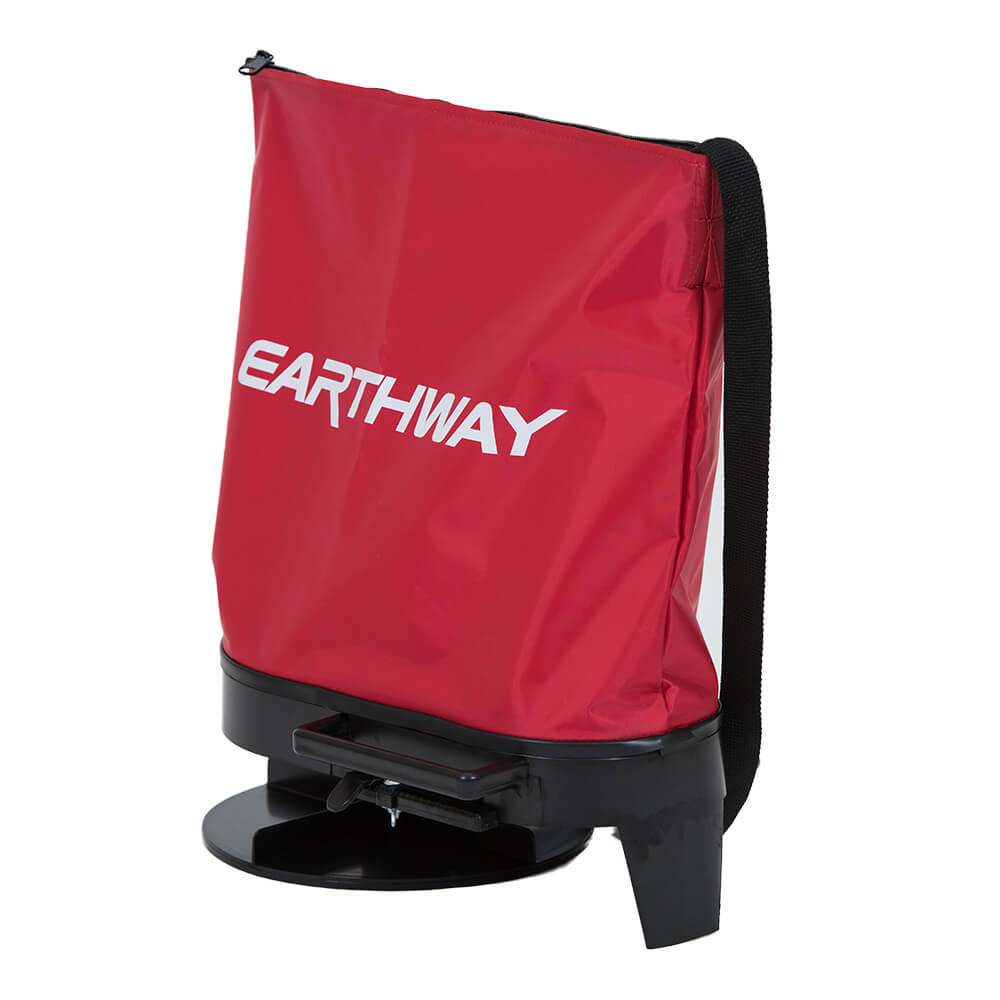
Go Anywhere
Even Coverage
From Original price was: $97.99.$89.99Current price is: $89.99.
25 lb Capacity, Slopes & Hills, Seed & Fertilizer, Stores Flat
See Details