
Quality Highlights
| Every Seed Grows We don't pad bags with dead seed or filler. What's in the bag is what grows in your yard. | |
| Independently Tested, Every Batch Each lot is tested by a third-party lab for germination and purity before it ships to you. | |
| Grown on American Farms Our seed comes direct from U.S. growers we know personally — not a middleman warehouse. | |
| Clean Seed, No Shortcuts No coatings to inflate weight, no GMOs, no cheap filler species. Just seed. |
Free shipping on all orders under 125 lbs!
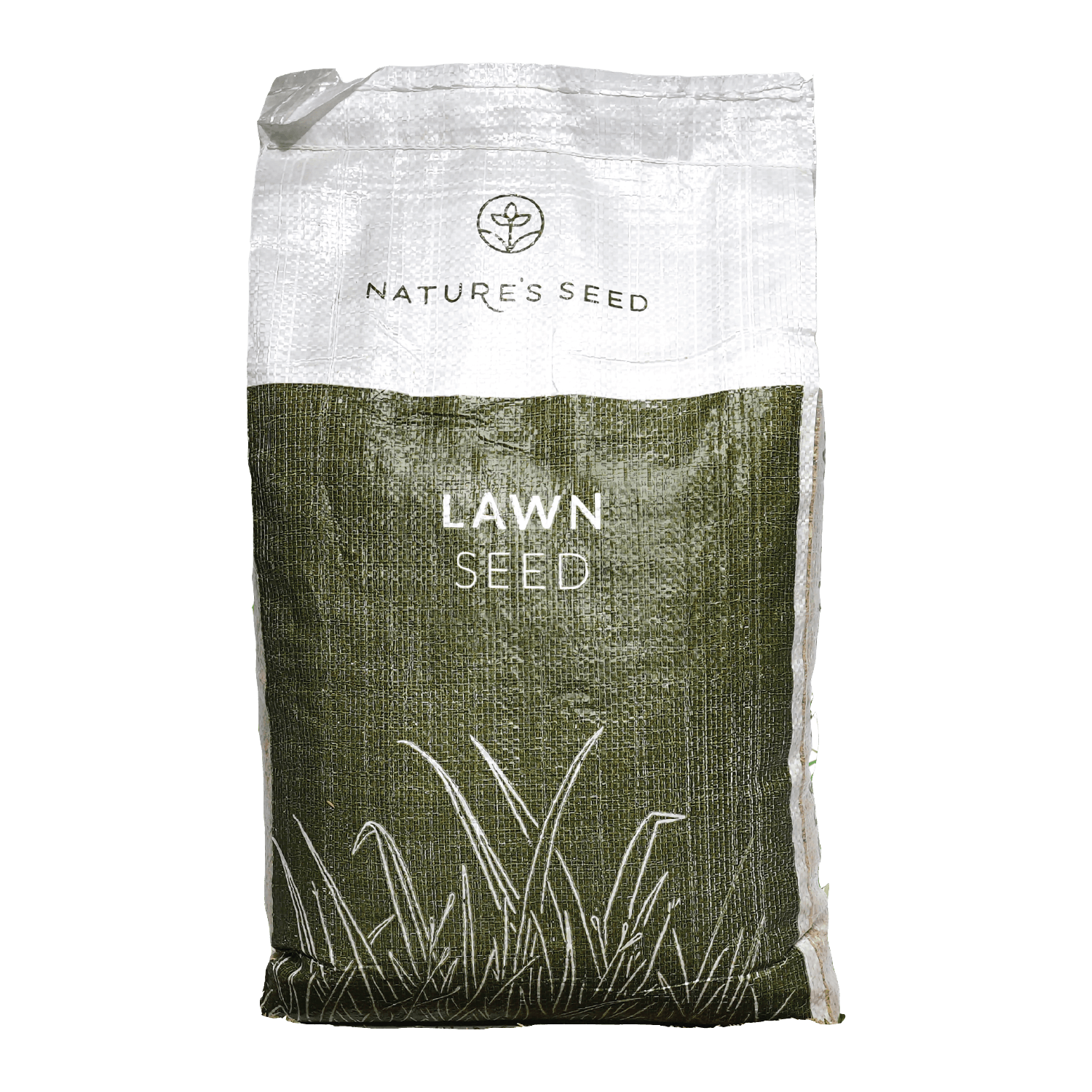
Lawn Seed
Check your ZIP code to know if this seed works for you
Perennial Ryegrass Seed Mix
SKU: TURF-W-RYE
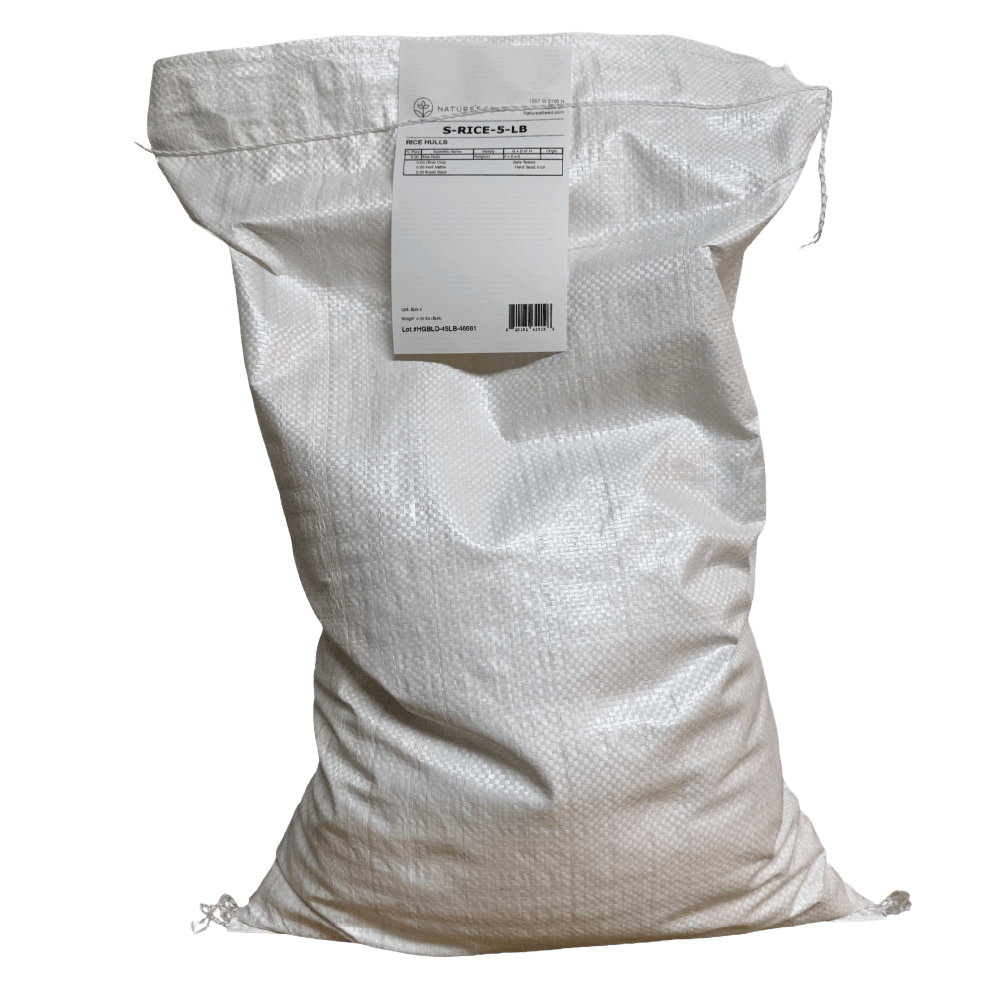
Planting Aids for your Seed
What is the Perennial Ryegrass Fast-Growing Lawn Mix?
This blend of three varieties of turf-type Perennial Ryegrass seed is the fastest-establishing turfgrass available. It provides a quick, lush lawn in northern states or can be overseeded into warm-season grasses for wintertime green in southern states.
What's in This Mix
Establishes rapidly with excellent wear tolerance, making it ideal for high-traffic lawn areas.
Brings enhanced disease resistance to the blend, helping the lawn stay clean and attractive through wet seasons.
Adds genetic diversity that broadens stress tolerance, ensuring consistent performance across varying conditions.
Specifications
Seeding Specs
Water Needs
0.75-1.25 inch/week; deep infrequent watering
Soil Preference
Prefers well-drained soils; adaptable from sandy loam to clay loam
Soil pH
5.5–8.0
Planting Depth
1/8 to 1/4 inch
Establishment Specs
Height
~3 inches
Color
medium to fine; dark green
Uses
Sports Turf; Quick Cover & Overseeding; Cool-Season Region; Irrigated Landscapes
Native/Introduced
Introduced
Why Choose This Seed?

Rapid Germination
This mix contains a blend of three varieties of quick-sprouting Perennial Ryegrass, including Rainwater, Sun Hawk, and Grey Hawk Ryegrass. These varieties take just 5–10 days to germinate for a fast green-up.

Stands up to Heavy Traffic
Perennial ryegrass endures heavy use and is ranked highest for traffic tolerance, withstanding heavy use from sports, kids, and pets.

Dense, Self-Repairing Sod
Perennial ryegrass can self-repair from damage using its fibrous root system, with thick main roots and thinner lateral branches.

Overseeding for Year-Round Cover
Many homeowners choose to mix Bermudagrass with Perennial Ryegrass for year-round color. Bermudagrass goes dormant during the cooler winter months, while Perennial ryegrass is a cool-season species that can be seeded in early fall for a rich winter and spring lawn.

Water-Wise
TWCA-certified mixes uses ~30–40% less water than conventional lawns. This blend of three Perennial ryegrass varieties has an extensive fibrous root system, allowing it to withstand drought and hot temperatures, even as a cool-season grass.
Planting and Growth Guide

Soil Preparation
Test soil pH (aim ~6.5) and fertility. Amend as needed (add lime if pH <6.0, incorporate 2–3″ compost in poor soils). Fine-tune nutrients per soil test. Soil should be well-tilled and graded. (Kentucky bluegrass prefers pH 6.0–7.5
Seeding
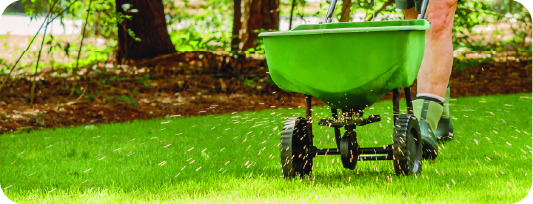
Best seeded in early fall or spring (late summer/fall is optimal in northern climates). Spread seed evenly at ~10 lbs/1000 ft². Use a drop or broadcast spreader, sow half in one direction and half in the other for uniformity. Lightly rake or roll so seeds contact soil (~1/16–1/8″ deep). Apply a starter fertilizer (0.5–1 lb N/1000 ft²) at planting.
Watering & First Mow
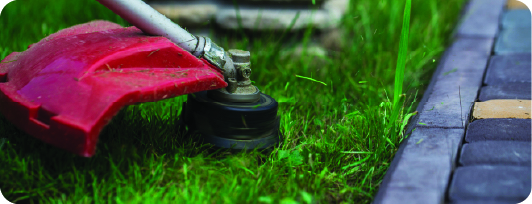
Keep soil consistently moist until germination by applying frequent, light irrigations (do not let seeds dry out). Once seedlings appear, reduce frequency but increase depth: water 1″ per session, 2–3 times per week. After seedlings reach ~3–4″ tall, mow at ~2–3″ (never remove more than 1/3 of blade). Remove 1–2 grasses per punch on first mow. Avoid traffic on new turf until well-rooted (several weeks).
Ongoing Maintenance
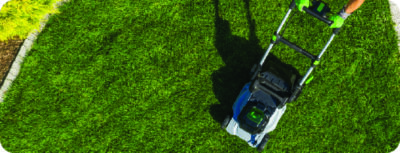
After establishment, deep-water infrequently (~1–1.5″/week)extension.colostate.edu. Mow regularly to maintain 2–3″ height. Fertilize with ~1 lb N/1000 ft² in early fall and spring (fine fescue needs less; see soil test). Core-aerate annually (spring or fall) to improve root depthextension.colostate.edu. Overseed thin spots each fall to maintain density. Control weeds with pre-emergents in spring and spot treatments as needed.
Helpful Resources
Lawn Seed Planting Guide

Efficient and Responsible Lawn Watering Tips

Summer Lawn Care & Maintenance
Questions & Answers
When is the best time to seed?
Cool-season lawns seed best in late summer to early fall, when soil is warm and moisture is reliable. This timing gives seedlings two cool seasons (fall and spring) to establish before summer heat. Early spring is also possible, but weeds and summer stress can be issues.
Can I overseed an existing lawn with this mix?
Yes – overseed thin areas in early fall or spring. Mow low (2″), core-aerate or rake to loosen soil, then spread seed evenly. Good seed-to-soil contact is crucial (firm seed with a roller or light tamping). Keep the area moist until new grass establishes. Overseeding thickens the lawn, which helps crowd out weeds.
How much water does it need?
After establishment, plan on about 1–1.5 inches of water per week (including rainfall) applied deeplyextension.colostate.edu. In drought or hot midsummer, watering may need to increase. TWCA studies show this mix uses ~30–40% less water than conventional turf. Always water infrequently and deeply (to 4–6″) to encourage deep roots. New seedings require light daily watering initially to keep soil moist.
Is this mix drought tolerant?
Yes – it includes fine fescue, which is notably drought-hardy. Fine fescues prefer drier soils and will persist with less water. Under summer drought, fescues go dormant but recover well with fall rain. Overall, this mix stays greener longer under water stress than a pure bluegrass lawn, but any grass will eventually brown if kept bone dry.
How soon can I mow or allow foot traffic?
Wait until the new grass is about 3–4 inches tall before the first mow, then cut back to ~2–3″. This usually takes 4–6 weeks after seeding. Avoid heavy foot or pet traffic until the turf is well-rooted (about 6–8 weeks). Allow lawn to recover 1–2 months before resuming normal use if possible.
What about winter care?
Cool-season grasses go semi-dormant in winter but generally survive freezing. Mow lower (1.5–2″) before winter to reduce snow mold risk. Fescues stay green in mild winters. Minimal watering is needed if it’s not snow-covered. Rake leaves to prevent smothering. In early spring, raise mower height to avoid scalping emerging grass.
Still Have Questions?
Our seed experts are ready to help you find the perfect seed for your project.
1-866-322-7300 Ask a Seed ExpertCustomer Reviews
See what real customers are saying. All reviews are collected and verified by Shopper Approved, an independent third party.
You May Also Like
