Quality Highlights
| Every Seed Grows We don't pad bags with dead seed or filler. What's in the bag is what grows in your yard. | |
| Independently Tested, Every Batch Each lot is tested by a third-party lab for germination and purity before it ships to you. | |
| Grown on American Farms Our seed comes direct from U.S. growers we know personally — not a middleman warehouse. | |
| Clean Seed, No Shortcuts No coatings to inflate weight, no GMOs, no cheap filler species. Just seed. |
Free shipping on all orders under 125 lbs!
Lawn Seed
Check your ZIP code to know if this seed works for you
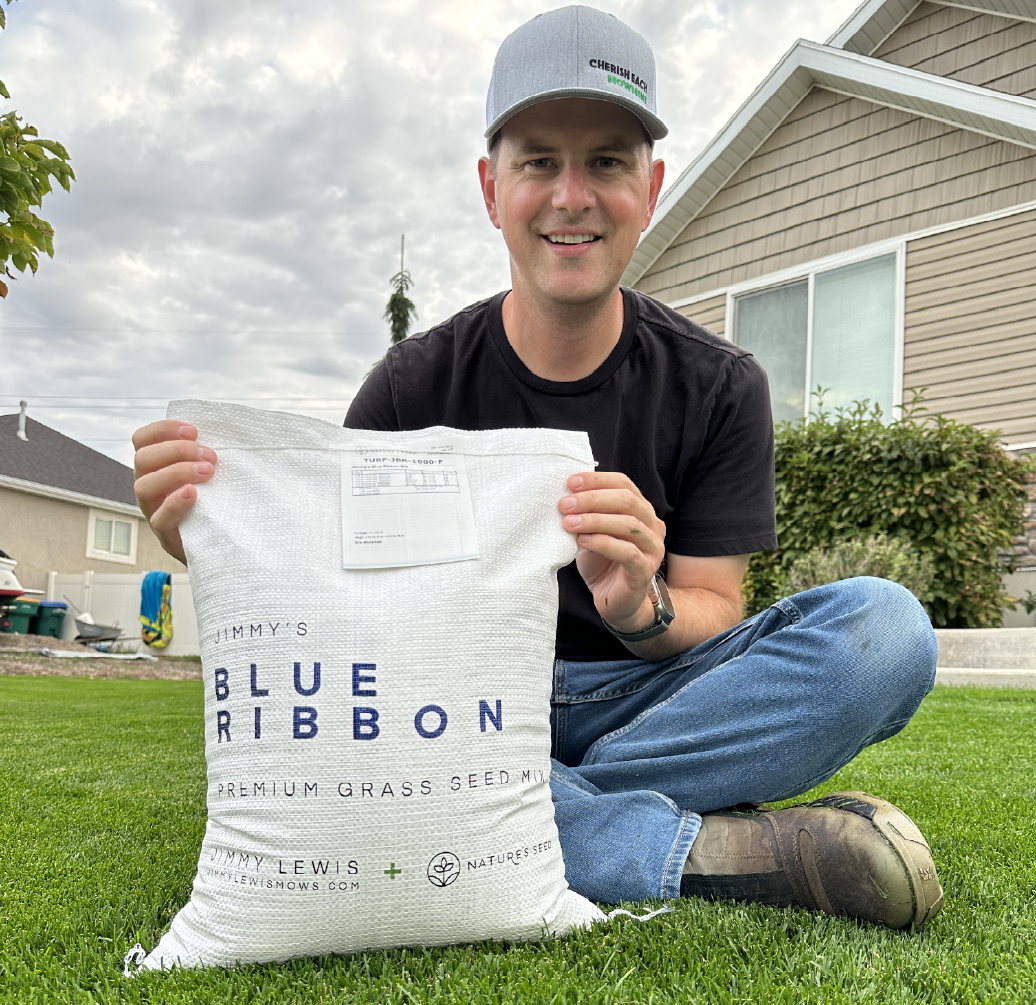
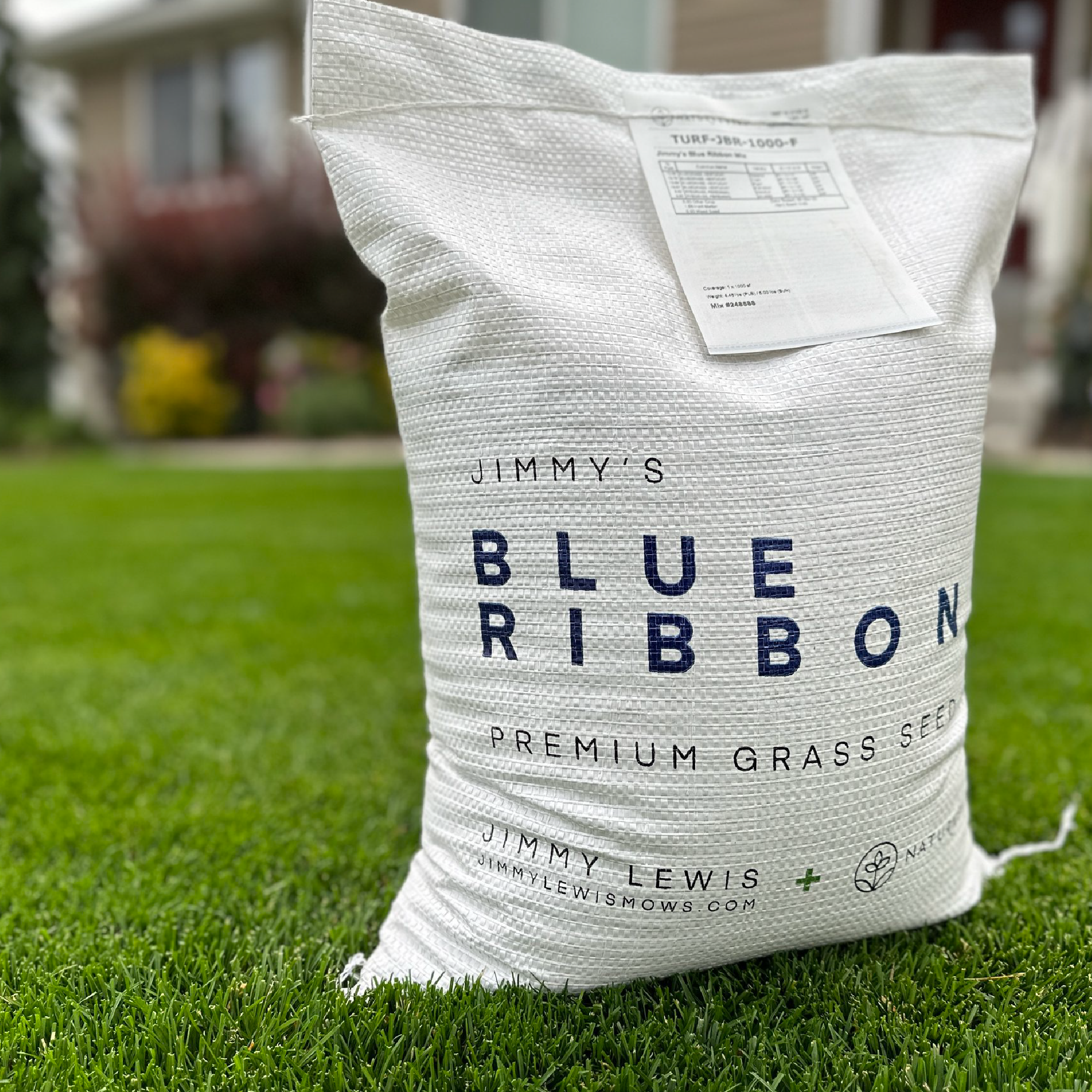
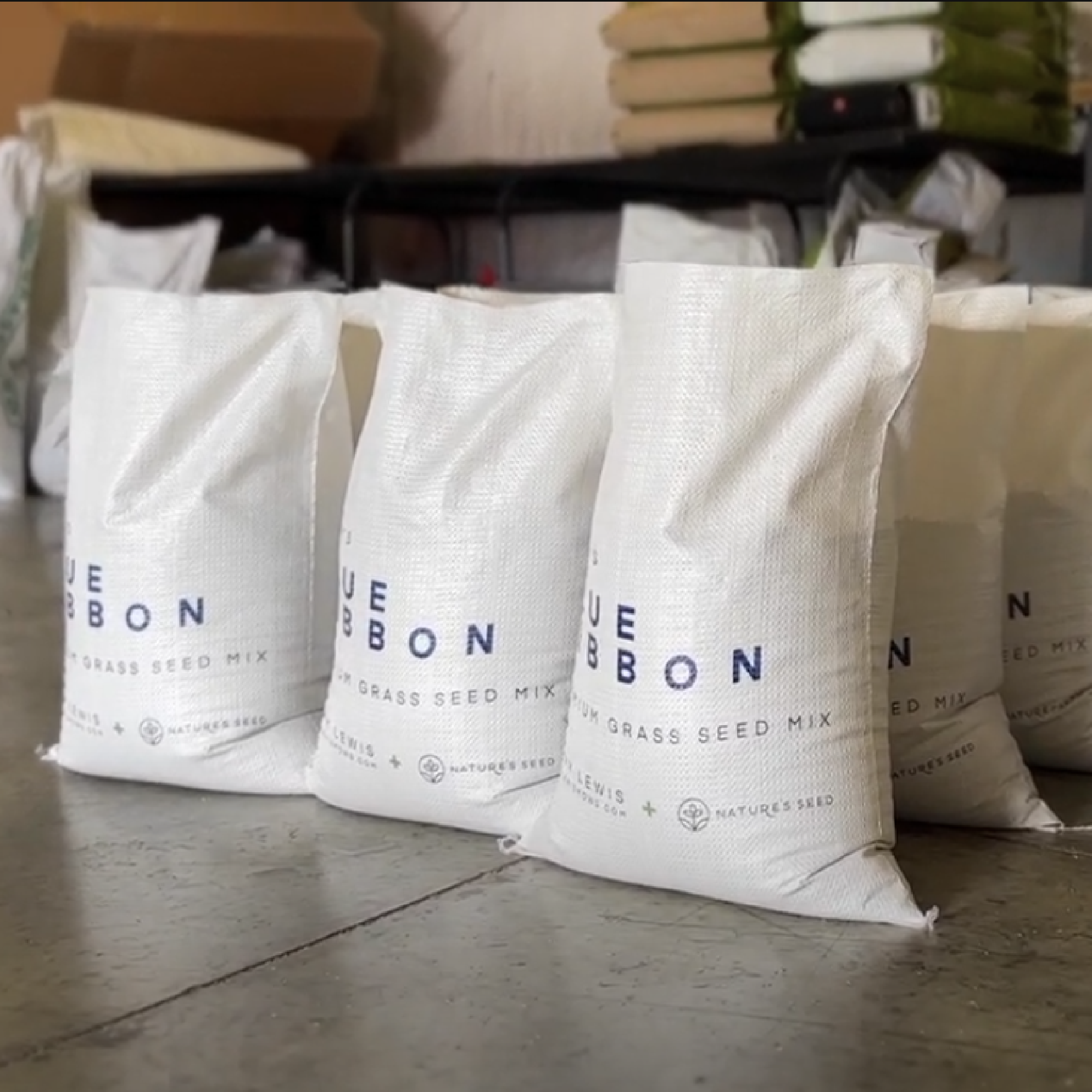
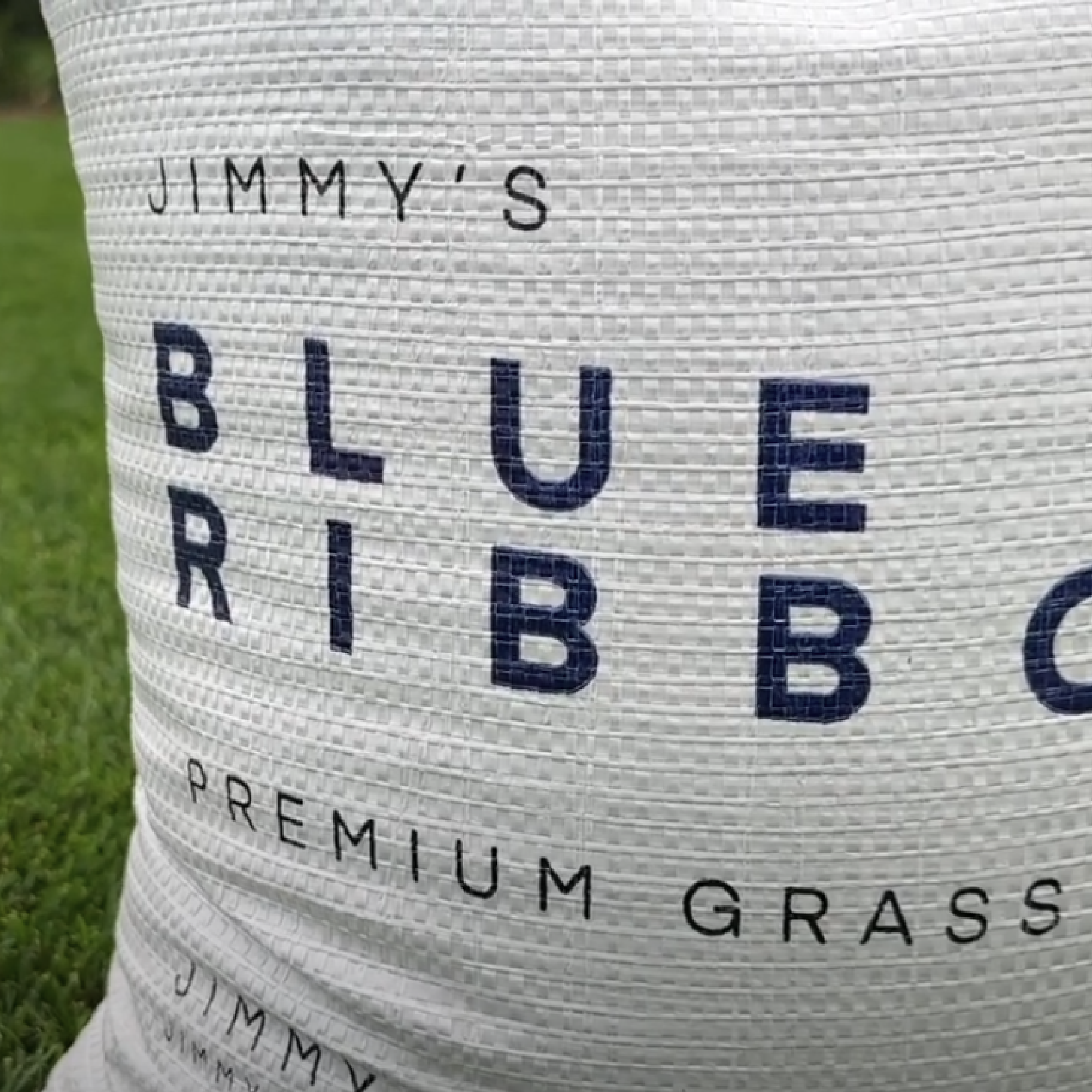
Jimmy's Blue Ribbon Lawn Seed Mix
SKU: TURF-JBR
Planting Aids for your Seed
What is the Jimmy Blue Ribbon Lawn Mix?
Jimmy’s Blue Ribbon Mix is a premium, water-saving blend of 80% Kentucky bluegrass and 20% perennial ryegrass, all TWCA-certified to use 30–40% less water.
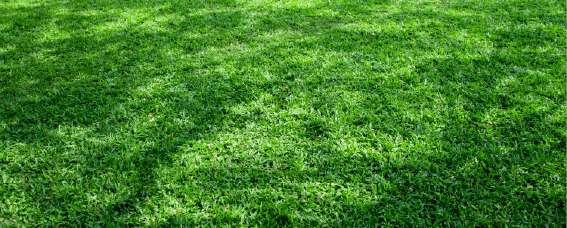
It delivers a lush, dark green lawn with fine texture and quick green-up.
Ryegrass germinates in 7 days for fast cover, while bluegrass forms a dense, self-repairing sod that thrives in USDA Zones 3–7.
Perfect for families, pets, and high-traffic areas, this mix creates a tough, weed-resistant, and beautiful lawn.
What's in This Mix
Anchors the mix with strong rhizome spread and rich blue-green color, delivering classic lawn beauty.
Adds disease resistance diversity so the lawn stays healthy even when one variety faces pressure.
Contributes improved heat tolerance, helping the stand stay dense and green through summer stress.
Rounds out genetic diversity, reducing the risk that any single disease or pest can damage the whole lawn.
Germinates fast to protect soil and deliver quick green cover while the bluegrass establishes.
Pairs with the first ryegrass variety to broaden endophyte coverage and improve insect resistance across the stand.
Specifications
Seeding Specs
Water Needs
1 inch per week (including rain) to maintain active growth
Soil Preference
Prefers well-drained soils; adaptable from sandy loam to clay loam
Soil pH
5.5–8.0
Planting Depth
1/8 to 1/4 inch
Establishment Specs
Height
~3 inches
Color
Dark green color; medium-fine leaf texture for an elegant, dense turf
Uses
Home Lawns; Sports Turf; Parks & Public Spaces; Golf (Fairways & Roughs); Premium / High-Visibility Lawns; Cool-Season Region
Native/Introduced
Introduced
Why Choose This Seed?
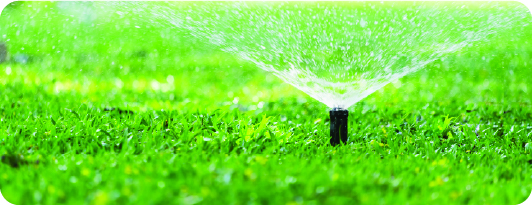
Uses 30% Less Water
This TWCA-certified blend features drought-tolerant cultivars proven to need 30% less water than standard turf, helping you save water and money while maintaining a green, healthy lawn.

Fast Germination & Green-Up
Includes fast-germinating perennial ryegrass, which sprouts in as little as one week for quick green cover.
It helps establish the lawn early while Kentucky bluegrass fills in over time for lasting thickness and durability.

Dense, Durable Turf
Forms a thick, carpet-like lawn that handles heavy use from kids, pets, and sports.
Kentucky bluegrass spreads by rhizomes, creating a dense sod that resists wear, blocks weeds, and prevents erosion.

Rich Dark Green Color
This mix features elite varieties bred for a dark green color and fine texture, giving your lawn a lush, golf-course look.
It holds rich color from spring through fall, with improved winter color retention for less off-season browning.
Self-Repairing & Resilient
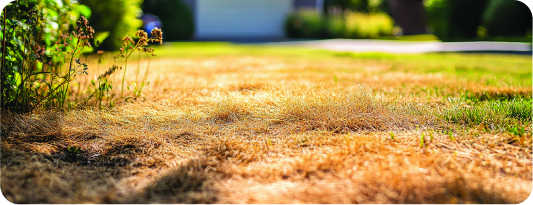
Rhizomatous bluegrass spreads underground to self-repair bare spots, filling in damage with new growth.
Paired with ryegrass’s adaptability, this mix creates a resilient lawn that bounces back from drought, heat, and wear, staying thick and uniform year after year.
Planting and Growth Guide

Soil Preparation
Start with a soil test to check pH and nutrients; adjust with lime or fertilizer as needed.
Clear weeds or old sod, loosen 4–6″ of soil, and mix in compost if needed.
Rake smooth and firm—a proper seedbed improves germination and growth.
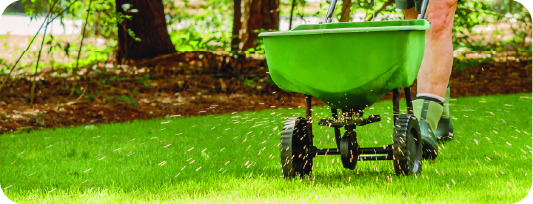
Seeding
When to Seed:
Plant in late summer to early fall for best results; early spring is a backup option.
How to Seed:
Use 5 lbs per 1,000 sq. ft., spread in two directions.
Rake lightly to cover seed (~¼”), and mulch lightly if desired.
Fertilizing:
Apply starter fertilizer only if phosphorus is low; otherwise, wait 2–4 weeks after germination.
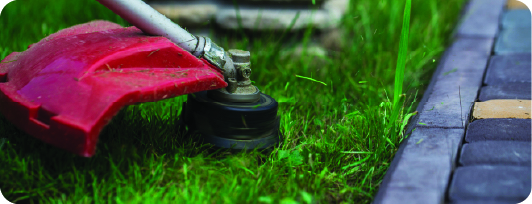
Watering & First Mow
Watering:
Keep soil moist at all times—mist 2–3 times daily for the first 2 weeks.
Avoid puddles or runoff; adjust to deeper, less frequent watering as seedlings grow.
Mowing:
Mow when grass reaches ~3 inches, cutting to ~2–2.5 inches with a sharp blade.
Start mowing early to promote thick growth, but avoid heavy foot traffic for the first 4–6 weeks.
Ongoing Maintenance
Watering: 1″ per week, deep and infrequent; let go dormant in drought if needed.
Mowing: Keep at 2–3″; mow often, never cut more than 1/3 of blade.
Fertilizing: 2–4 lbs N/year—spring, early fall, and late fall (winterizer).
Weeds: Mow high, spot-treat only after 2–3 mowings; avoid weed-and-feed at seeding.
Aeration/Overseeding: Aerate in fall; overseed 1–2 lbs/1,000 sq. ft.; water like new seed.
Seasons: Final mow at 2″ before winter; rake in spring and resume care.
Product Video

Helpful Resources
Lawn Seed Planting Guide
Jimmy Lewis Mows & Nature’s Seed: The Story Behind Jimmy’s Blue Ribbon Premium Grass Seed Mix
Efficient and Responsible Lawn Watering Tips
Questions & Answers
When is the best time to seed this lawn mix?
The best time to seed cool-season grasses like Kentucky bluegrass and ryegrass is mid-August to September.
This timing offers warm soil, cool air, and fall rain, helping grass germinate quickly and root before winter.
Fall seeding also avoids spring weeds like crabgrass.
If fall is missed, early spring is the next best option—avoid summer, as heat and drought can harm new seedlings.
Can I overseed this mix into my existing lawn to improve it?
Yes, overseeding with Jimmy’s Blue Ribbon Mix is a great way to thicken turf and boost drought tolerance.
Mow to 1.5–2 inches, then rake or aerate to expose soil.
Apply 2–3 lbs per 1,000 sq. ft., rake lightly or use a slit seeder, and keep soil moist.
Ryegrass sprouts in 1–2 weeks, while bluegrass fills in over time.
Best done in late summer to early fall—repeat as needed to keep your lawn dense and weed-resistant.
How much water does this lawn need (both initially and long-term)?
During establishment (first 2–3 weeks): keep soil constantly moist with light watering 1–3 times/day.
After 4–6 weeks: switch to deep, infrequent watering—about 1 inch per week total (rain + irrigation).
In hot, dry periods, increase to 0.75–1.25 inches/week for best color.
This mix can go dormant during drought and green up later, but regular deep watering keeps it lush.
Avoid shallow, frequent watering once the lawn is mature—deep watering builds stronger roots.
Is this mix really drought tolerant – will it stay green without much water?
Yes, Jimmy’s Blue Ribbon Mix is much more drought-tolerant than standard grass seed.
It uses TWCA-certified cultivars that need at least 30% less water than typical varieties.
These grasses stay green longer between waterings and perform better under moderate drought or restrictions.
While no cool-season grass is fully drought-proof, this mix recovers quickly after dry periods.
For best results, water deeply and infrequently and mow higher (3″) in summer to reduce stress.
Bottom line: it stays greener with less water, but still needs some moisture to thrive in extreme heat.
How soon can I mow the new lawn, and when can we use it for foot traffic?
Mowing: Wait until grass is ~3 inches tall (about 4–6 weeks after seeding) before the first mow.
Use a sharp blade, set to 2–3 inches, and never cut more than 1/3 of the height.
Mowing a bit higher (2.5–3″) is safest early on.
Foot Traffic: Avoid heavy use for the first 6–8 weeks—wait until you’ve mowed 2–3 times.
Introduce activity gradually, and limit pet traffic until the lawn is well rooted.
By 2–3 months, your lawn should be ready for regular use.
What care does the lawn need in winter?
Final mow short (≈2″) in late fall to prevent snow matting.
• Apply a winterizer fertilizer (late October) to support spring growth.
• Once dormant, grass needs no watering—rain/snow is enough.
• Avoid foot traffic on frozen grass to prevent damage.
• In spring, rake lightly if snow mold appears—grass will usually recover.
• Tip: Don’t pile snow in one spot on the lawn—spread it out to avoid smothering.
This mix is very cold-hardy and will bounce back once temps rise.
Still Have Questions?
Our seed experts are ready to help you find the perfect seed for your project.
1-866-322-7300 Ask a Seed ExpertCustomer Reviews
See what real customers are saying. All reviews are collected and verified by Shopper Approved, an independent third party.