
Quality Highlights
| Every Seed Grows We don't pad bags with dead seed or filler. What's in the bag is what grows in your yard. | |
| Independently Tested, Every Batch Each lot is tested by a third-party lab for germination and purity before it ships to you. | |
| Grown on American Farms Our seed comes direct from U.S. growers we know personally — not a middleman warehouse. | |
| Clean Seed, No Shortcuts No coatings to inflate weight, no GMOs, no cheap filler species. Just seed. |
Free shipping on all orders under 125 lbs!
Clover and Lawn Seed
Check your ZIP code to know if this seed works for you
Clover Lawn Alternative Mix
SKU: TURF-CLV
Planting Aids for your Seed
What is the Lawn Alternative Clover Mix
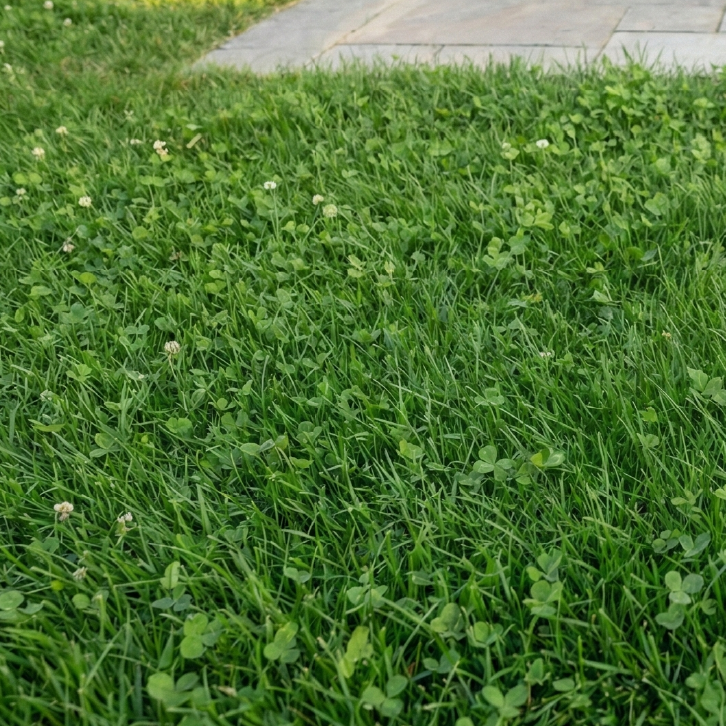
Lawn Alternative Clover Mix seed gives you a low-mow, living lawn replacement that forms a soft, walkable green carpet around homes, cabins, and small acreages. This pollinator-supporting groundcover flowers lightly through the season, adding gentle white or pink blooms while staying tidy in front yards and mixed landscapes. The mix establishes quickly, tolerates foot traffic, and requires less mowing than traditional turf. It improves soil health, reduces erosion, and provides year-round greenery with seasonal color. Ideal for low-maintenance lawns, cottage-style yards, or shaded zones where traditional grass struggles. Use it to create a welcoming, eco-friendly landscape that supports bees and butterflies, yet remains neat, compact, and attractive. Perfect for eco-conscious homeowners seeking a soft, durable alternative to conventional grass.
What's in This Mix
Fixes nitrogen naturally, reducing fertilizer needs and keeping the lawn green longer without extra inputs.
Forms the durable backbone of this mix with deep roots, strong drought tolerance, and year-round green color.
Germinates quickly to fill gaps and provide early ground cover while the fescue establishes.
Specifications
Seeding Specs
Water Needs
Low
Soil Preference
Well-drained loam, sandy loam, or silty soils
Soil pH
~5.5–8.0
Planting Depth
1/2 to 1/4 inch
Establishment Specs
Height
2–3 inches
Color
Fine-textured foliage in rich to medium green that stays lush, Small white to soft pink or cream flower heads appear above the foliage
Uses
Low-mow, living lawn replacement that forms a soft, walkable green carpet,Erosion-control groundcover
Native/Introduced
Introduced
Why Choose This Seed?
Effortless Green Carpet, Mow Only When You Want
This Lawn Alternative Clover Mix forms a naturally low-growing, cushiony carpet that stays neat without constant mowing, so you can trim only when you want a super-tidy look. You’ll spend less time behind the mower and more time enjoying a soft, inviting yard that still looks intentionally cared for, not overgrown.
Turn Bare Ground Into Living Habitat
Lawn Alternative Clover Mix transforms plain turf into a thriving mini-ecosystem that actively supports bees, butterflies, and other beneficial insects. Its dense, low-growing clover fills in quickly, suppressing weeds while offering nectar-rich blooms—so you enjoy a lush, tidy green space that doubles as vital habitat. You get the satisfaction of a beautiful yard that visibly contributes to local biodiversity, not just curb appeal.
Stay-Clean Clover Lawn, HOA-Friendly Look
Lawn Alternative Clover Mix gives you a neat, uniform green surface that satisfies your eye—and your neighbors—without the fussy upkeep of traditional turf. Its low, even growth habit fills in bare spots and suppresses scraggly weeds, so your yard looks intentionally landscaped rather than wild, all while cutting back on mowing, chemicals, and water use.
Soft, Barefoot-Ready Lawn Without Chemicals
Lawn Alternative Clover Mix creates a naturally cushioned, barefoot-friendly surface that feels soft underfoot without relying on synthetic fertilizers or herbicides. Its dense, low-growing foliage crowds out many weeds and feeds itself by fixing nitrogen, so you get a lush, inviting green space that’s safe for kids, pets, and pollinators while cutting your dependency on lawn chemicals.
Weather-Proof Color, All Season Long
Lawn Alternative Clover Mix keeps your yard vibrant when traditional turf fades, holding its rich green color through heat, light drought, and seasonal swings. Instead of patchy brown spots and reseeding projects, you get a consistently lush, uniform look that makes your property feel cared-for year-round with far less work.
Planting Guide
Prepare the Soil
Start by removing existing turf, weeds, and debris so the clover has bare soil to contact; use a sod cutter for large lawns or a flat shovel and rake for smaller spaces. Aim for a smooth, level surface by raking to break up clods and fill low spots so water won’t pool, which can rot seedlings. Clover prefers well-drained soil with a pH around 6.0–7.5, so if you haven’t tested recently, use an inexpensive soil test kit and add lime to raise pH or elemental sulfur to lower it as recommended. Lightly loosen the top 1–2 inches of soil with a rake, cultivator, or tiller on the shallowest setting—this creates a soft seedbed without bringing up a lot of new weed seeds. If your soil is very poor or sandy, mix in a thin layer (½–1 inch) of finished compost to improve moisture retention, but avoid heavy manure or high-nitrogen fertilizers that encourage grass and weeds over clover. Finish by raking the surface smooth and firming it lightly with your feet or a roller so it’s level but still crumbly on top.
Sow the Seeds
Plan to sow in early spring or early fall when daytime temperatures are cool to mild (about 50–75°F) and natural rainfall is more reliable, which helps clover establish. Measure your lawn area and follow the seed mix’s recommended rate—then divide the seed into two equal portions so you can spread one half in a north–south pattern and the other half east–west for even coverage. For larger areas, use a hand-crank or drop spreader; for smaller yards, mix the seed with 2–3 parts dry sand or screened compost by volume so it’s easier to spread thinly and evenly by hand. After broadcasting, lightly rake the surface so the seeds are just barely covered or pressed into the top ⅛ inch of soil, as clover needs light contact with soil but not deep burial. Gently firm the area with a lawn roller or by walking over it in a grid pattern to improve seed-to-soil contact, which boosts germination. Water immediately with a fine spray until the top ½ inch of soil is evenly moist but not puddling, taking care not to wash the tiny seeds into clumps.
Establishment
Keep the seeded area consistently moist—but not soggy—until the clover is well established, usually 4–6 weeks; this often means light watering once or twice a day in dry weather so the top ½ inch of soil never fully dries out. Once seedlings are 1–2 inches tall, gradually reduce watering to deeper, less frequent soakings (about 1 inch of water per week from rain or irrigation) to encourage deeper roots. Avoid walking on the area as much as possible during the first month so you don’t crush tender seedlings or create bare patches. Do not mow until the clover reaches about 3–4 inches tall and has filled in, then set your mower high (around 3 inches) and take off only the top third to encourage spreading rather than stressing young plants. Skip high-nitrogen fertilizers at this stage, as clover naturally fixes its own nitrogen and excess fertilizer will favor weeds and any remaining grass. As the clover thickens, hand-pull or spot-treat any aggressive broadleaf weeds early, before they seed and compete with your new low-mow lawn.
Maintenance Long Term
Once established, water your clover lawn deeply but infrequently, aiming for about 1 inch of water per week in hot, dry spells and much less when the weather is cool or rainy, since clover is more drought-tolerant than traditional turf. Mow only as needed to maintain the tidy look you prefer—often just once every 3–4 weeks during peak growth—keeping your mower set high (about 3 inches) so the clover stays dense and soft underfoot. Avoid synthetic high-nitrogen fertilizers; instead, if growth seems thin after a few years, top-dress in early spring with a light ¼–½ inch layer of compost to feed the soil without pushing excessive top growth. Allow some flowering cycles if you want to support pollinators, then mow after bloom flushes to keep the lawn neat and reduce slipping risk on flowers in high-traffic areas. Overseed any thin or bare spots in early spring or fall using the same sowing method as before, lightly raking and watering until new seedlings fill in. Limit herbicide use, as most broadleaf weed killers will damage clover; rely on dense growth, hand-weeding, and occasional overseeding to maintain a resilient, eco-friendly green carpet.
Helpful Resources

Clover Seed Planting Instructions
Questions & Answers
Is clover lawn mix a good alternative to grass if I want a low-maintenance, eco-friendly yard?
Yes, a clover lawn mix is an excellent low-maintenance, eco-friendly alternative to a traditional grass lawn. Lawn Alternative Clover Mix stays naturally green with less water and fertilizer because clover fixes nitrogen in the soil, helping to feed itself and nearby plants. It forms a soft, cushiony carpet that’s comfortable underfoot, needs little to no mowing, and self-reseeds to fill in bare or patchy spots over time. As a bee-friendly groundcover, it supports pollinators while reducing your reliance on chemicals and gas-powered lawn equipment, making it ideal for a sustainable, attractive yard. For best results, overseed thin grass areas or bare soil in spring or early fall, keep the seedbed lightly moist until established, and then simply mow occasionally if you prefer a tidier, shorter look.
Does a lawn alternative clover mix really stay green all summer without much watering or fertilizer?
A lawn alternative clover mix is much more drought-tolerant than traditional turf grass, so it typically stays greener through summer with far less watering and almost no fertilizer. Clover has deep roots that help it access moisture lower in the soil, and because it naturally fixes nitrogen from the air, it feeds itself and nearby plants without the need for chemical lawn fertilizer. In most climates, you can get away with occasional deep watering during very dry spells instead of frequent shallow watering, and many homeowners find they can mow only a few times a season or even treat it as a mow-optional groundcover. This bee-friendly, soft-footing clover mix also self-reseeds and fills in bare patches over time, creating a dense, eco-friendly green carpet that stays attractive with minimal lawn maintenance.
What is the best clover mix for a low-mow, tidy-looking lawn that still supports pollinators?
The best clover mix for a low-mow, tidy-looking lawn that still supports pollinators is a blended Lawn Alternative Clover Mix designed specifically as a grass replacement. Look for a mix that combines low-growing clovers—such as microclover or Dutch white clover—with other compact, durable species so it forms a dense, soft, green carpet that rarely needs mowing. A high-quality clover lawn mix will be bee friendly for pollinators, self-reseeding to naturally fill in bare patches, and require minimal fertilization compared to traditional turfgrass. For a neat appearance, simply mow a few times a season to keep blooms and height in check, giving you a clean, manicured look while still providing nectar and habitat for bees and other beneficial insects.
Will a clover lawn alternative take over my garden beds or spread into my neighbor’s yard?
A clover lawn alternative is not aggressive like many invasive weeds, but it can gently spread beyond where you originally sow it if conditions are ideal. To keep your Lawn Alternative Clover Mix from creeping into garden beds, maintain a clear edge or shallow trench border and mulch your beds well so new clover seedlings can’t establish. Along property lines, a mowed strip or physical edging (like pavers or metal edging) will help prevent clover from moving into a neighbor’s yard, while still letting you enjoy its soft, green, eco-friendly carpet. Because this mix is low-growing, mow-optional, and self-reseeding, it tends to fill in bare patches within your lawn area rather than aggressively running into unwanted spaces, especially when you give it a clearly defined boundary.
How do I replace my existing grass lawn with a clover mix, step by step, without tearing up everything?
To replace your existing grass lawn with a Lawn Alternative Clover Mix without tearing everything up, start by mowing your current grass as short as possible and bagging the clippings so the clover seed can reach the soil. Rake or lightly dethatch to open up the turf, then overseed the area with the clover mix, paying special attention to thin or bare patches and lightly raking the seed in for good soil contact. Water gently but consistently for the first few weeks to help the clover establish, then gradually reduce watering as it fills in, creating a soft, green, mow-optional carpet. Over time, the bee-friendly, self-reseeding clover will outcompete much of the traditional grass, reducing your need for fertilizer, mowing, and chemical inputs while still giving you a lush, sustainable lawn alternative
Is a clover lawn mix safe for dogs and kids to play on, and how durable is it compared to regular grass?
A clover lawn mix is generally safe for both dogs and kids to play on, making it a great family-friendly alternative to traditional grass. Unlike many standard turf lawns that often rely on heavy fertilization and chemical treatments, this lawn alternative clover mix stays green with low fertilization and less mowing, which can reduce exposure to harsh lawn chemicals. Clover creates a soft, cushiony surface that’s gentle on bare feet and paws, and because it’s self-reseeding and patch-filling, it recovers well from wear and tear in high-traffic play areas. While any outdoor surface can be worn down by constant, intense activity, a well-established clover lawn is surprisingly durable, and its eco-friendly, bee-friendly nature makes it ideal for a sustainable, long-lasting yard.
Still Have Questions?
Our seed experts are ready to help you find the perfect seed for your project.
1-866-322-7300 Ask a Seed ExpertCustomer Reviews
See what real customers are saying. All reviews are collected and verified by Shopper Approved, an independent third party.
You May Also Like


Go Anywhere
Even Coverage
From Original price was: $97.99.$89.99Current price is: $89.99.
25 lb Capacity, Slopes & Hills, Seed & Fertilizer, Stores Flat
See Details