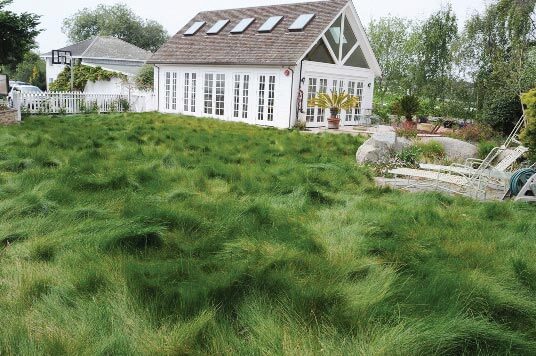
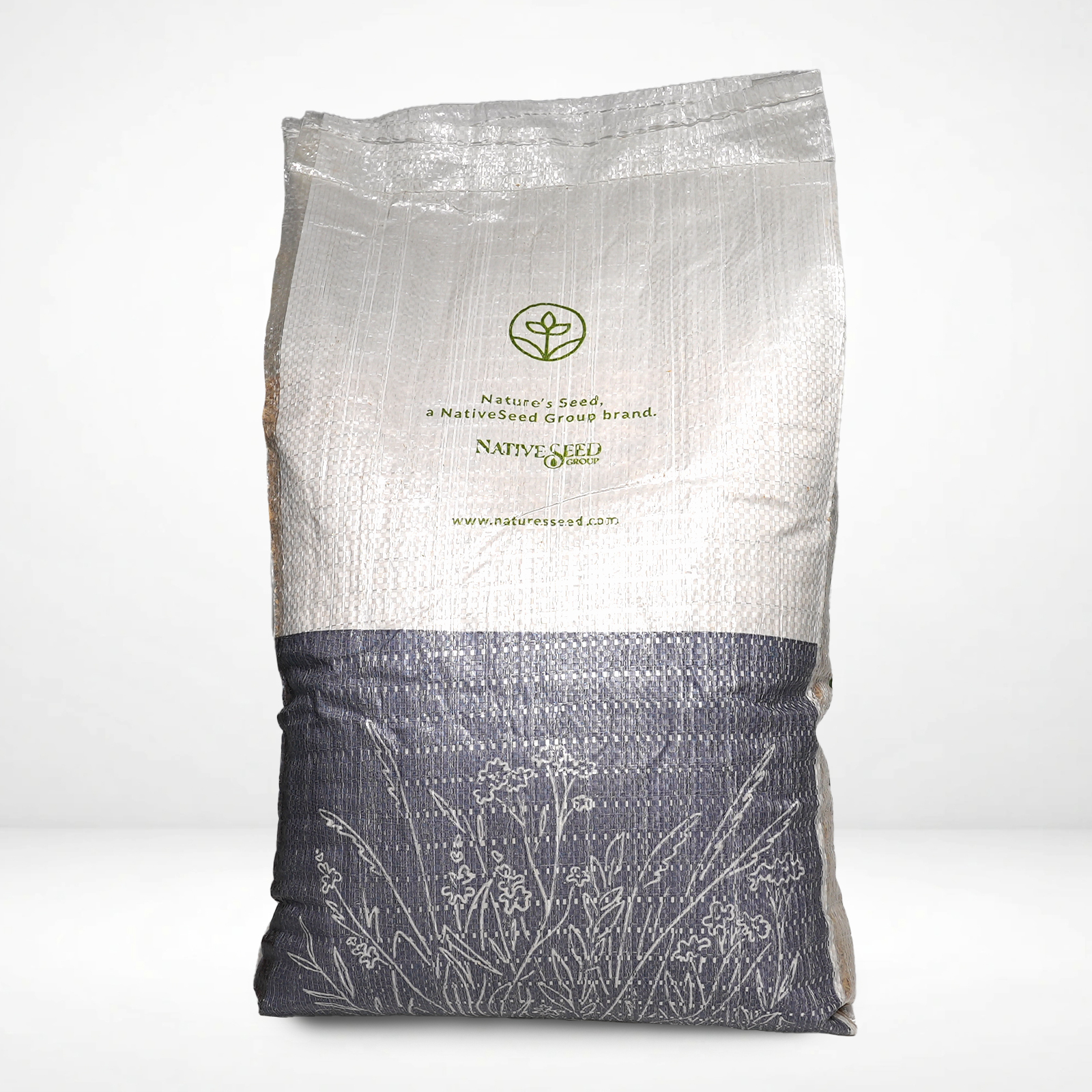
This mix combines two North American native fescues for an eco-friendly lawn that thrives with minimal fertilizer and low mowing—supporting soil health, biodiversity, and water conservation.
Quality Highlights
| Every Seed Grows We don't pad bags with dead seed or filler. What's in the bag is what grows in your yard. | |
| Independently Tested, Every Batch Each lot is tested by a third-party lab for germination and purity before it ships to you. | |
| Grown on American Farms Our seed comes direct from U.S. growers we know personally — not a middleman warehouse. | |
| Clean Seed, No Shortcuts No coatings to inflate weight, no GMOs, no cheap filler species. Just seed. |
Free shipping on all orders under 125 lbs!
Lawn Seed
Check your ZIP code to know if this seed works for you
California Native Grass Seed Mix
SKU: TURF-NFF
Planting Aids for your Seed
What is Nature's Seed's California Native Lawn Alternative Mix?
Native Fine Fescue Mix is a 100% native, low-maintenance lawn blend of creeping red and Idaho fescue. It’s drought- and shade-tolerant, germinates quickly, and forms a soft, dense turf with fine blades and blue-green color. Thrives in USDA Zones 4–8, needs little water or fertilizer, and tolerates poor soils. Mow for a tidy lawn or let it grow into a meadow look. Ideal for eco-friendly lawns, slopes, or natural landscapes. Resilient, beautiful, and easy to care for.
What's in This Mix
A California native that thrives in dry summers and poor soils, ideal for low-water, low-maintenance lawns.
Complements Idaho Fescue with rhizomatous spread and shade adaptability, creating a dense, resilient native stand.
Specifications
Seeding Specs
Water Needs
water deeply but infrequently (about 0.5–1" per week in dry weather)
Soil Preference
Adaptable – grows in sandy, loamy, or clay soils if well-drained
Soil pH
~5.0–7.5 pH
Planting Depth
1/8–1/4 inch deep
Establishment Specs
Height
~6–12 inches if left unmowed
Color
Fine, hair-like blades with soft texture. Color ranges from rich green to blue-green
Uses
Home Lawns; Erosion Control & Slopes; Low-Maintenance / No-Mow / Eco-Lawn; Shade-Friendly
Native/Introduced
Native to North America
Why Choose This Seed?

100% Native, Low-Input Lawn

Shade & Drought Resistant
Creeping Red Fescue and Idaho Fescue have deep root systems with excellent drought tolerance, staying green with minimal water. Unlike many drought-tolerant species, these fescues thrive in partial shade.

Fine Texture & Rich Color
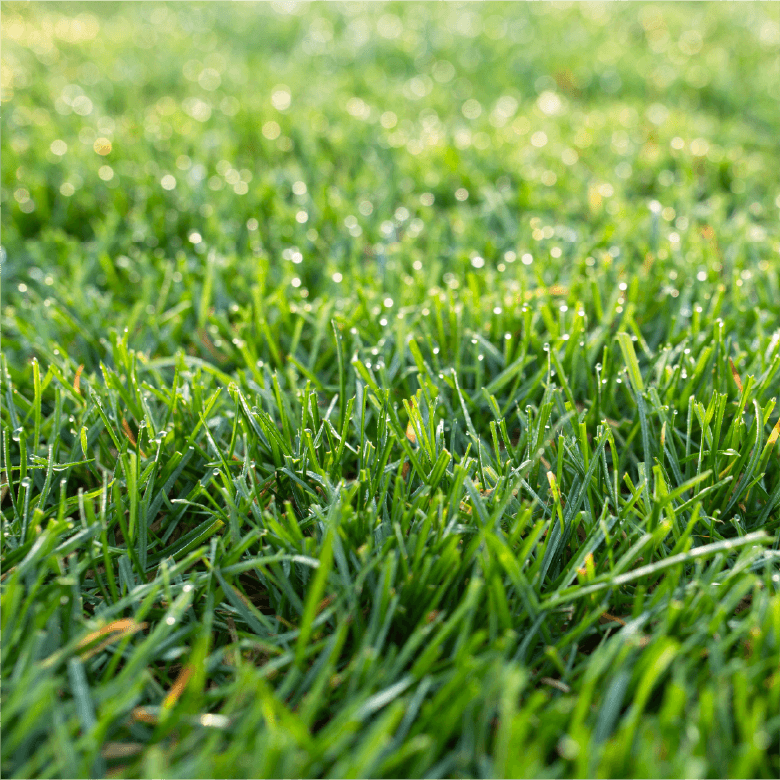
This seed mix forms a fine-bladed, soft turf with silvery blue-green hues. It offers a dense, carpet-like look that’s visually appealing and comfortable for bare feet.

Moderate Wear Resilience
While not as tough as some turfs, this mix can handle regular foot traffic from families and pets. Creeping red fescue spreads to fill gaps, while Idaho fescue persists as a deep-rooted bunchgrass that adds lasting resilience.
Versatile Uses
Perfect for home lawns, meadows, and erosion control. Great for no-mow areas or blending with wildflowers for a low-maintenance, eco-friendly yard.
Seeding and Growing Guide
Soil Preparation
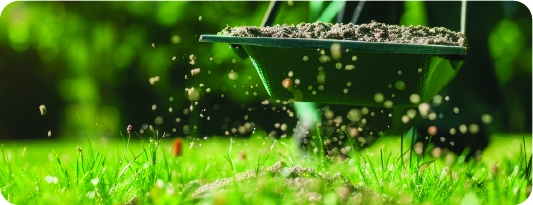
- Start by clearing all weeds or old grass for a clean slate.
- Test your soil and adjust pH or nutrients as needed.
- Loosen the top 4–6 inches, especially if compacted.
- Mix in compost to improve sandy or clay-heavy soil.
- Rake smooth and firm the seedbed for good seed contact.
- Remove any thatch or debris so roots can reach the soil.
- Proper prep gives fine fescue the best chance to thrive.

Seeding
- Seed in fall (late Sept to November) for best results
- Use ~2 lbs/1,000 sq.ft. for new lawns or 1 lb/1,000 sq.ft. for overseeding.
- Rake lightly to cover seed 1/8–1/4″ deep.
- Press seed into soil by rolling or tamping.
- Mulch slopes to prevent erosion.
- Fescue germinates in 7–14 days with good prep and moisture.

Watering and First Mow
Water new fine fescue seedlings lightly 2–4 times daily to keep soil moist during germination. Avoid puddles. After 2–3 weeks, begin transitioning to deeper, less frequent watering (~0.5″ every few days). Wait to mow until grass is ~3″ tall—usually 6–10 weeks after seeding. Mow high (~3″), with sharp blades, and never cut more than 1/3 at a time. Limit foot traffic until after the first mow. Taller mowing helps root growth and weed resistance.
Ongoing Maintenance
Once established, fine fescue lawns are easy to maintain:
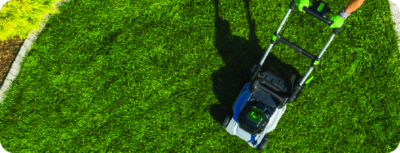
Mowing: Mow every 2–3 weeks or less; keep height ~3″ to shade weeds and conserve moisture.
Watering: Needs little water—rainfall may be enough. In dry spells, water deeply (~1″ every 1–2 weeks).
Fertilizing: Feed once in late summer or fall; 1–2 lbs N/year is enough. Avoid overfeeding or summer fertilizing.
Weeds/Pests: Mow high, water less, and fertilize lightly to discourage weeds. Spot-treat if needed.
Other: Aerate every few years; overseed thin spots in fall. Fine fescue is cold-hardy and winter-tough.
Helpful Resources
Lawn Seed Planting Guide
California Native Grass Series
Introducing the California Collection
Questions & Answers
When is the best time to seed this fine fescue mix?
Fall is best time for seeding fine fescue—warm soil and cool air support strong growth. Early spring is the next best option. Avoid mid-summer seeding due to heat and weed pressure.
Do I need to mow this lawn, and if so, how soon and how often?
You can mow this mix like a regular lawn or leave it as a “no-mow” meadow. For mowing, wait 6–8 weeks after seeding until grass reaches ~3 inches. Set mower high (~3″). Fine fescue grows slowly, so you’ll mow just every 2–3 weeks or even monthly. Prefer no-mow? Let it grow 6–12 inches for a soft, natural look. A once-a-year trim is optional. High mowing helps crowd out weeds and keeps the lawn healthy.
How well does it handle foot traffic and pets?
Fine fescue lawns handle normal yard use well—kids, pets, and walking are fine. Creeping red fescue helps it self-repair light wear. However, fine fescues are not ideal for heavy, repeated traffic like sports or dog runs. Pet urine may cause spots, but flushing with water helps. For most backyards, this mix will hold up well with occasional touch-ups in high-use areas.
Does this lawn need a lot of fertilizer or special nutrients?
Not at all. This native fine fescue mix thrives in low-fertility soils and often needs little or no fertilizer. Over-fertilizing can actually harm it. One light feeding in fall is usually enough—about 1–2 lbs of nitrogen per 1,000 sq.ft. per year. If it looks healthy, you can skip fertilizing altogether.
How does it perform in winter and cold climates?
This mix is highly winter-hardy. Creeping red and Idaho fescue survive winter in USDA Zones 4–8 with no special care. They go dormant after frost but green up quickly in spring. Just avoid heavy traffic on frozen turf and skip late-fall nitrogen. No extra maintenance needed.
How do I repair bare patches or thin areas in this lawn?
To repair patches, rake the area to loosen soil and remove debris. Sprinkle fine fescue seed (~4–6 seeds per square inch), lightly rake again, and water often to keep it moist. Fall is the best time for overseeding. Creeping red fescue may spread into small spots over time, but reseeding speeds recovery.
Still Have Questions?
Our seed experts are ready to help you find the perfect seed for your project.
1-866-322-7300 Ask a Seed ExpertCustomer Reviews
See what real customers are saying. All reviews are collected and verified by Shopper Approved, an independent third party.