

Drought Hardy
Wildlife Magnet
Food plot seeds built for better wildlife attraction—deer, turkey, and elk blends for fast growth, high-protein forage, and late-season draw. Shop premium, high-germination seed for every region and season.
From $2.48/lb
Turn Bare Ground Into A Bird, Season-Long Use, Not One-Time, Big-Bird Action In Small Plots
See Details
From $4.03/lb
Keep Birds On Your Side Of, Turn Problem Spots Into Bird, Pack More Birds Into Every
See Details
Food Plot Seed for Deer, Turkey, and Wildlife Management
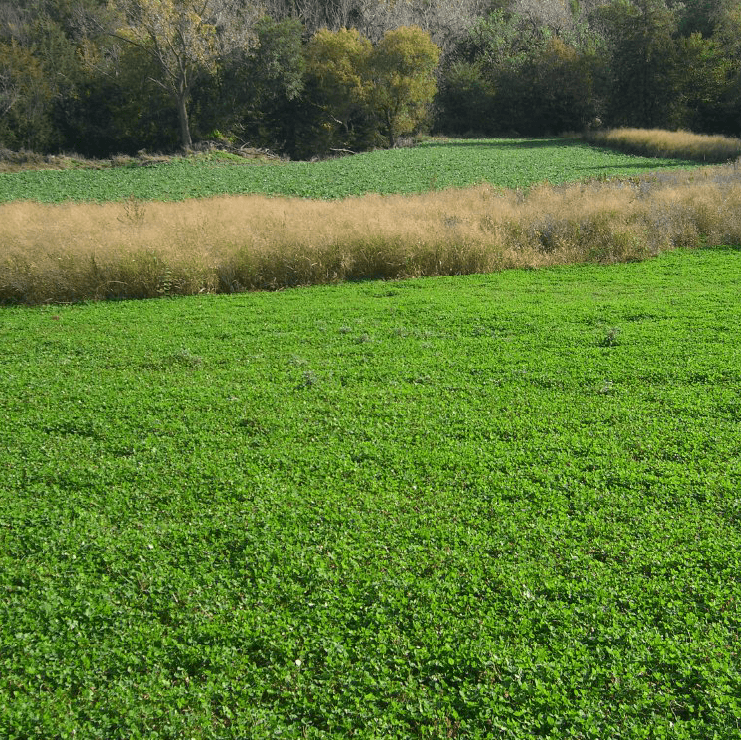
A well-designed food plot does more than attract game — it transforms the nutritional landscape of your entire property. At Nature’s Seed, our food plot blends are expertly formulated by wildlife habitat specialists to deliver season-long forage that supports antler growth, body condition, reproduction, and fawn survival. Every lot is USDA-tested for purity and germination, contains no fillers or GMOs, and ships free to your door.
———
Why Food Plots Matter for Wildlife Management
Native browse alone rarely provides the protein and mineral density that whitetail deer need during critical growth periods. Bucks require 16–20% crude protein from April through August to maximize antler development, and does need sustained nutrition through gestation and lactation. A strategic food plot program fills those gaps when natural forage falls short.
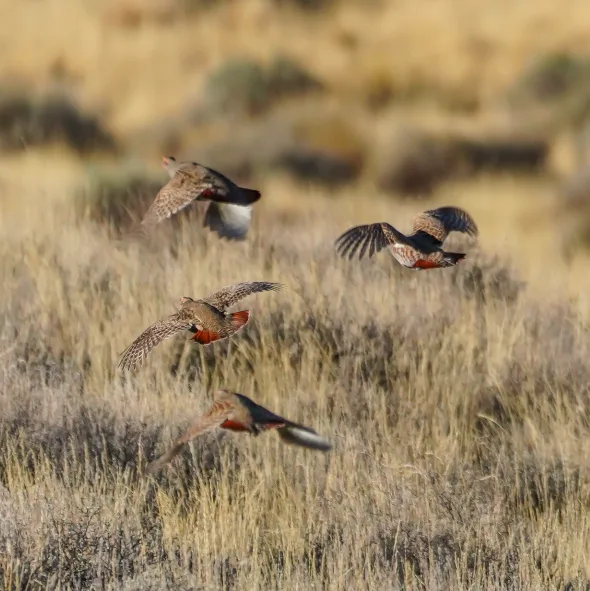
Turkey and upland bird species benefit just as much. Hens raising poults need protein-rich insects that thrive in clover and chicory stands. Seed-producing annuals like grain sorghum and millet provide critical fall and winter energy for turkeys, quail, and pheasants. Waterfowl food plots planted in low-lying areas that flood naturally create feeding habitat that draws ducks and geese during migration.
Beyond nutrition, food plots improve overall habitat quality. Diverse plantings increase insect populations, improve soil health, and create cover structure that benefits everything from songbirds to pollinators.
———
How to Choose the Right Food Plot Blend
Start with your target species and your property goals. A hunter managing a small 40-acre parcel has different needs than a landowner running a 500-acre management program.
• Whitetail deer — Focus on high-protein perennial plots (clover, chicory, alfalfa) for spring and summer nutrition, then add annual brassica blends (turnips, radishes, rape) for fall and winter attraction. Brassicas become increasingly palatable after the first hard frost, making them ideal for late-season hunting.
• Turkey and upland birds — Plant seed-producing annuals like millet, grain sorghum, and sunflowers. These create both food and brood-rearing habitat where poults can find insects in open, sunny stands.
• Waterfowl — Low-lying areas that flood naturally or can be managed with water control structures are ideal. Japanese millet and wild rice planted in these zones create outstanding waterfowl habitat.
• All-season blends — If you want year-round attraction without managing multiple plots, our all-season mixes combine perennial clovers with annual grains and brassicas so something is always growing and producing.
Plot size matters, too. Quarter-acre “kill plots” tucked into timber edges create ambush points for hunting. Larger destination plots of one to five acres serve as primary feeding areas that hold deer on your property longer. The best programs include both.
———
Our Food Plot Seed Blends
Every Nature’s Seed food plot mix is designed for fast establishment and reliable performance. We balance species for sequential maturity — so as one component peaks, another is coming on — giving you attraction from green-up through hard frost.
Our deer-focused blends combine perennial white clover and red clover with chicory for a protein-rich base that lasts three to five years. Annual overlays of brassicas, oats, and winter wheat add fall tonnage and late-season draw. For dedicated clover plots, browse our clover seed collection for stand-alone options that double as food plot plantings.
Our turkey and upland bird mixes emphasize seed-producing annuals with open stand structure that allows poult movement. Waterfowl blends are formulated for moist-soil conditions and flood tolerance.
———
Planting Your Food Plot: Site Selection and Soil Prep
Location drives success more than any other factor. Choose sites with good sun exposure — at least six hours daily — and access to water. Timber edges and inside field corners concentrate deer movement, making them ideal for smaller kill plots. Use trail camera data from previous seasons to confirm travel corridors before you plant.
Soil preparation is non-negotiable. Start with a soil test six to eight weeks before planting so you have time to apply lime and fertilizer. Most food plot species perform best at a pH of 6.0–7.0. Disk or till the seedbed to a depth of four to six inches, broadcast seed, and then cultipack or roll for good seed-to-soil contact.
Planting windows vary by region. In the northern U.S., plant spring plots from April through May and fall plots from mid-August through September. Southern states can push fall planting into October. Perennial clover plots establish best in early spring or early fall when soil moisture is reliable.
———
Common Food Plot Tips
Many first-time plotters wonder how much seed they need. Most of our blends cover a quarter-acre to a half-acre per bag — check individual product pages for exact seeding rates. If you are working larger acreage, bulk pricing is available.
Perennial plots based on clover and chicory can last three to five years with light overseeding and annual mowing. Annual plots (brassicas, oats, grain sorghum) need replanting each season but offer the highest tonnage and strongest late-season attraction.
Combining food plots with cover crop seed is a smart dual-purpose strategy — species like crimson clover and winter peas build soil organic matter while feeding deer. If your property includes livestock pastures, our pasture seed blends can serve as secondary forage areas for wildlife during the off-season.
Ready to build a food plot program that holds more game on your property? Browse our full lineup of food plot blends, pick the mix that matches your target species and season, and plant with confidence knowing every bag is backed by Nature’s Seed quality. Free shipping on every order.
———
Frequently Asked Questions About Food Plots
Q: How big should a food plot be?
A: It depends on your goals. Small “kill plots” of a quarter-acre to a half-acre work well for ambush hunting near timber edges. Destination plots of one to five acres serve as primary feeding areas that hold deer on your property throughout the season. For a well-rounded management program, include a mix of both small and large plots spread across your property to distribute deer movement.
Q: What is the best food plot for deer?
A: The best deer food plot combines perennial clovers and chicory for spring and summer protein with annual brassicas (turnips, radishes, and rape) for fall and winter attraction. Clover provides 25–30% crude protein during antler growth season, while brassicas become sweeter and more palatable after the first hard frost — drawing deer during hunting season when it matters most.
Q: When should I plant my food plot?
A: Planting windows vary by region and species. In the northern U.S., plant spring plots from April through May and fall plots from mid-August through mid-September. Southern states can extend fall planting into October. Perennial clover plots establish best in early spring or early fall when consistent soil moisture supports germination. Always match your planting date to the species in your blend.
Q: Do food plots need fertilizer?
A: Yes. A soil test is the essential first step — it tells you exactly what lime and fertilizer your plot needs. Most food plot species perform best at a soil pH of 6.0–7.0. Clover and other legumes fix their own nitrogen but still need adequate phosphorus and potassium. Brassicas are heavy feeders and respond well to nitrogen fertilizer applied at planting. Annual liming and fertilization based on soil test results will dramatically improve food plot performance.
Q: Is clover or brassica better for a food plot?
A: Both serve different purposes and complement each other well. Clover is a perennial that provides high-protein forage from spring through fall and lasts three to five years. Brassicas are annuals that produce massive tonnage in fall and become highly attractive after frost. The best food plot programs use both — clover for warm-season nutrition and brassicas for late-season hunting attraction.
Q: Will deer eat turnips in a food plot?
A: Absolutely. Deer initially browse the leafy turnip tops during early fall. After the first hard frost converts starches to sugars, deer switch to digging up and eating the bulbs — which can grow to several pounds each. Turnips are one of the highest-tonnage food plot species and provide critical nutrition during late fall and winter when other forage is dormant.
Q: What is the best food plot for small acreage?
A: On small properties under 40 acres, focus on small kill plots of a quarter-acre to a half-acre placed along known travel corridors, timber edges, and field corners. Perennial clover plots are ideal because they require less annual maintenance and provide year-round attraction. Supplement with a small brassica plot for late-season draw. Even a few well-placed plots on small acreage can significantly improve deer sightings and hunting success.
Q: How do I plant a food plot without heavy equipment?
A: You do not need a tractor. For plots under a half-acre, clear the area with a backpack sprayer (glyphosate to kill existing vegetation), then rake or use a hand-held cultivator to rough up the soil surface. Broadcast seed by hand or with a chest-mount spreader, then walk over the area or drag a section of chain-link fence to press seeds into the soil. Many successful kill plots are planted this way using nothing more than a sprayer, a rake, and a bag of seed.
