
Warm Season
Extreme Durability

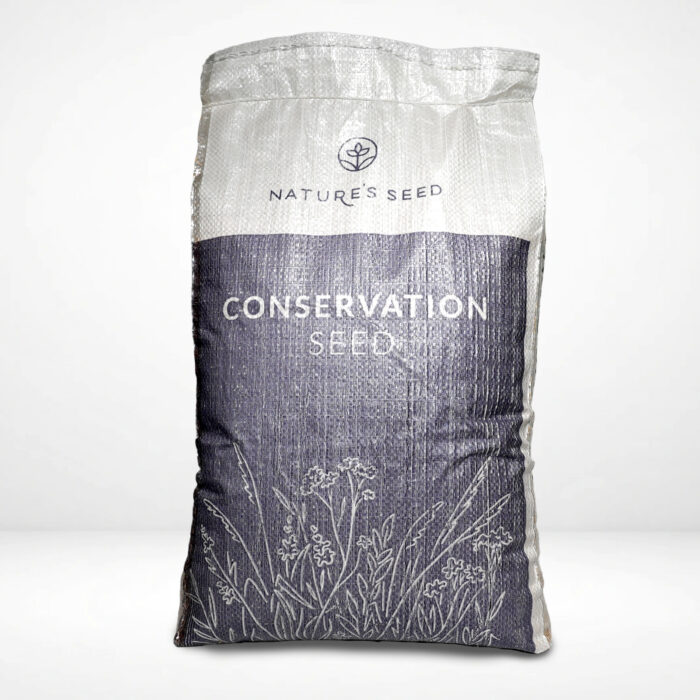
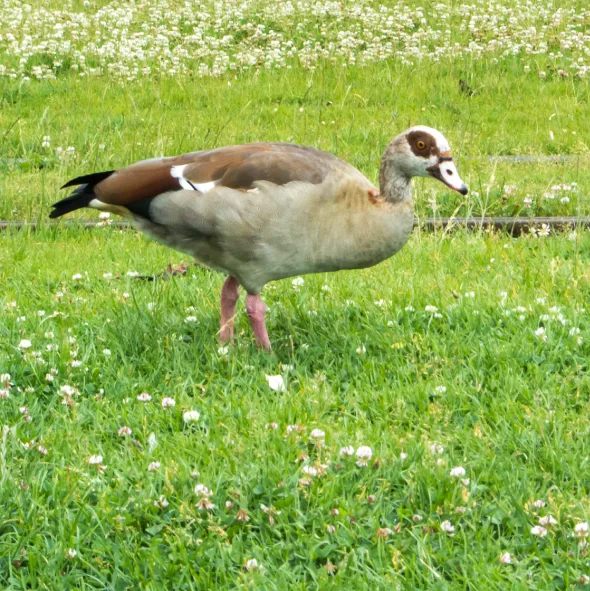
From $4.03/lb
Keep Birds On Your Side Of, Turn Problem Spots Into Bird, Pack More Birds Into Every
See Details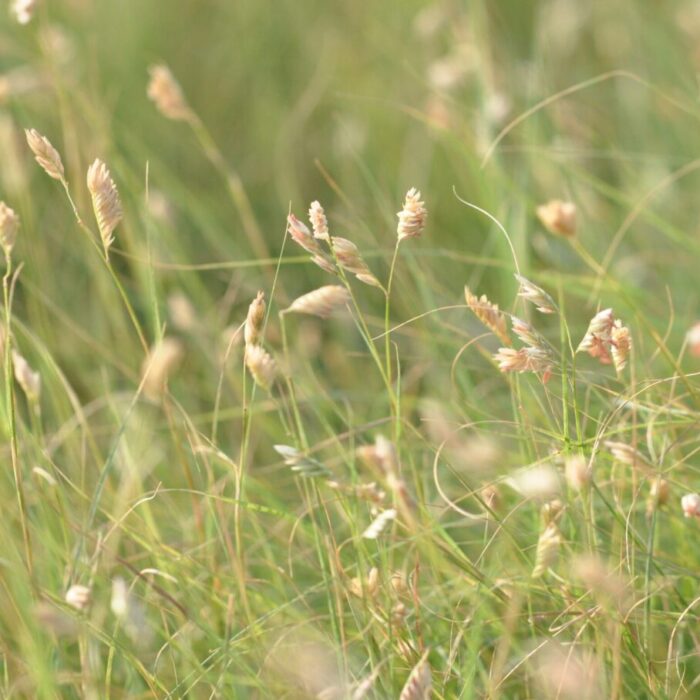
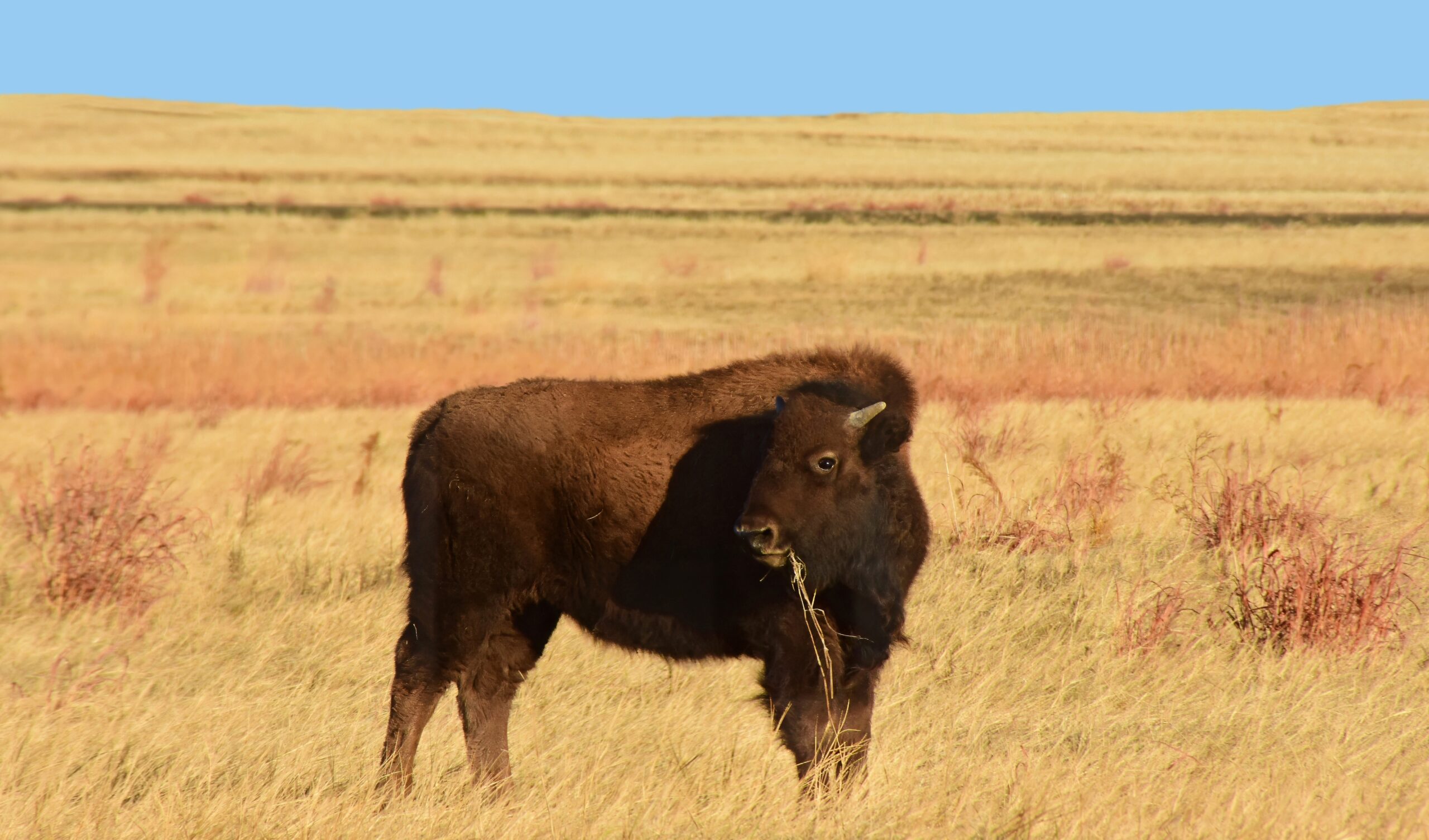
Drought-Tolerant Pasture Seed for Dry Climates
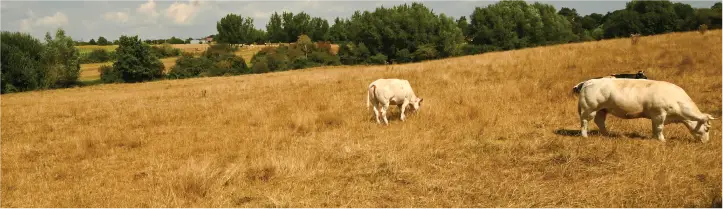
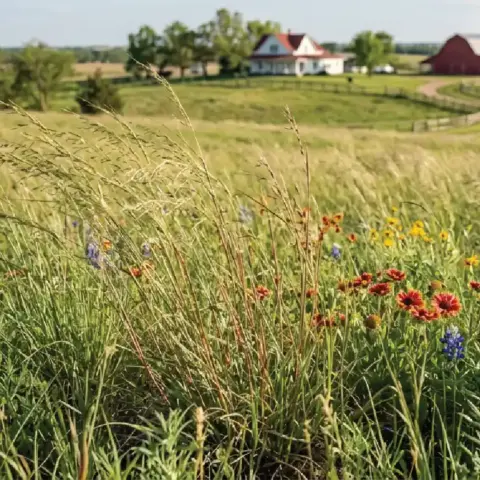
Our drought-tolerant seed mixes are specifically formulated for dry climates, arid conditions, and regions with limited rainfall. Deep-rooting grass and forage species thrive with minimal water while providing excellent grazing nutrition for horses, cattle, sheep, and other livestock.
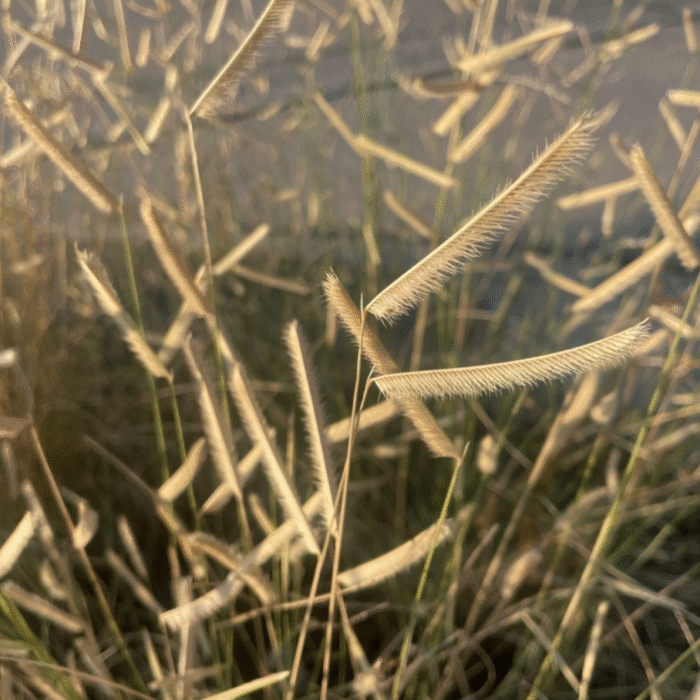
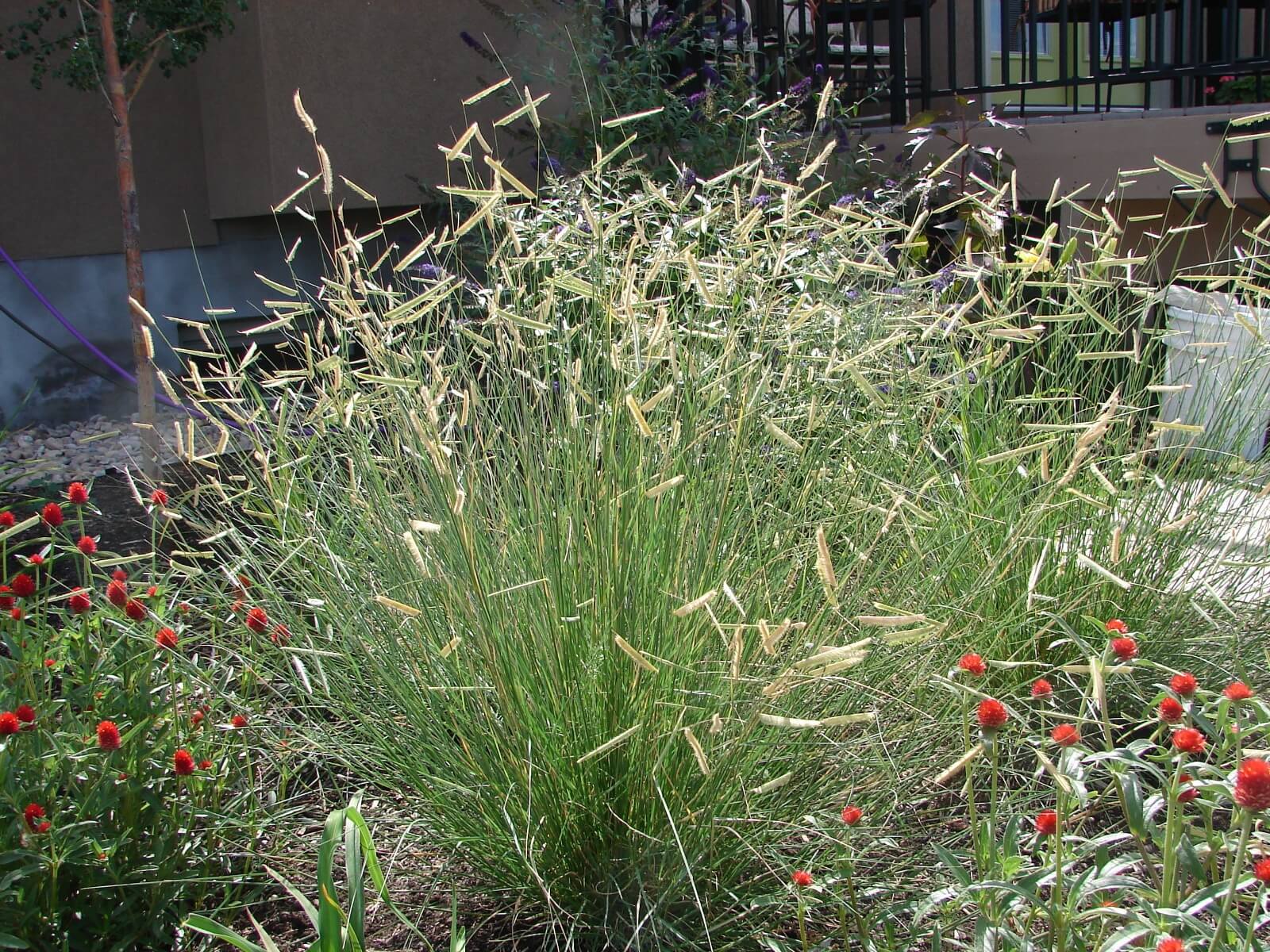
• Proven drought-resistant species — Bermudagrass, Blue Grama, Buffalograss, Tall Fescue, Wheatgrass, and native warm-season grasses
• Deep root systems — access moisture unavailable to shallow-rooted grasses, requiring 30-50% less irrigation
• Versatile applications — new pasture establishment, rangeland renovation, or water-wise ground cover
• Heat tolerance — reliable performance through summer temperatures across the Western and Southern US
• USDA-tested — every blend meets strict germination and purity standards, no fillers, no GMOs
Whether you’re in the Western US, Texas hill country, or anywhere rainfall is unpredictable, these blends deliver reliable performance with lower water requirements. Our rangeland experts formulate every mix for regional performance, matching species to your soil type, elevation, and average rainfall.
Explore our full pasture seed collection for additional regional options. Free shipping on every order.
———
Frequently Asked Questions
Q: How much less water do drought-tolerant pasture grasses need?
A: Our drought-tolerant blends typically require 30-50% less irrigation than conventional pasture grasses. Species like Buffalograss and Blue Grama have deep root systems that access subsoil moisture, reducing or eliminating the need for supplemental watering in many regions.
Q: Can drought-tolerant seed still produce quality forage for livestock?
A: Yes. Our blends are formulated to provide excellent nutritional value even under dry conditions. Species like Wheatgrass and native warm-season grasses maintain protein and digestibility levels that support weight gain and milk production.
Q: What regions are drought-tolerant pasture blends best suited for?
A: These blends perform well across the Western US, Texas, the Southern Plains, and any region with less than 20 inches of annual rainfall or extended dry periods. Our rangeland specialists match species to your specific elevation, soil type, and rainfall patterns.
Q: Can I use drought-tolerant seed for rangeland restoration?
A: Absolutely. Native drought-tolerant species are excellent for rangeland renovation, erosion control on disturbed land, and rebuilding degraded pastures. Many of these species also qualify for USDA conservation programs.
Q: When should I plant drought-tolerant pasture seed?
A: Warm-season species like Bermudagrass and Buffalograss should be planted in late spring when soil temperatures are above 60 degrees F. Cool-season species like Wheatgrass and Tall Fescue establish best in early fall or early spring.
