

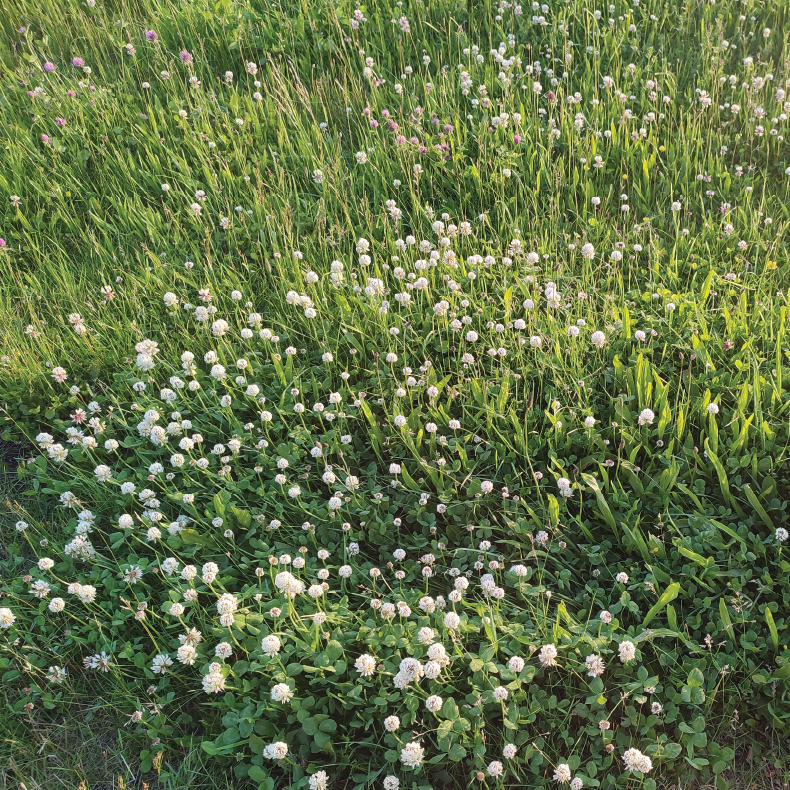
Nitrogen-Fixing
Lawn Alternative
Cover crop seeds that build soil fast—cereal rye, clovers, alfalfa, and resilient grasses for erosion control, weed suppression, and better fertility. Shop farm-direct, high-germination cover crops for every region.
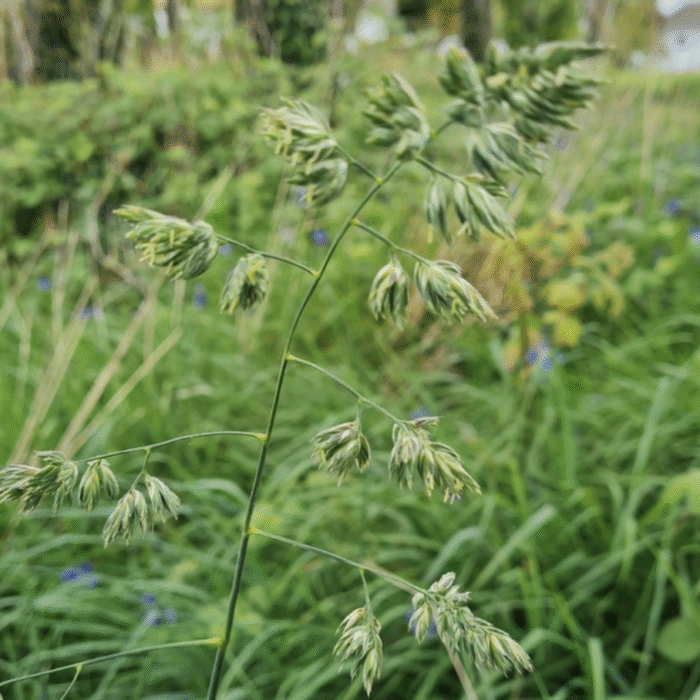
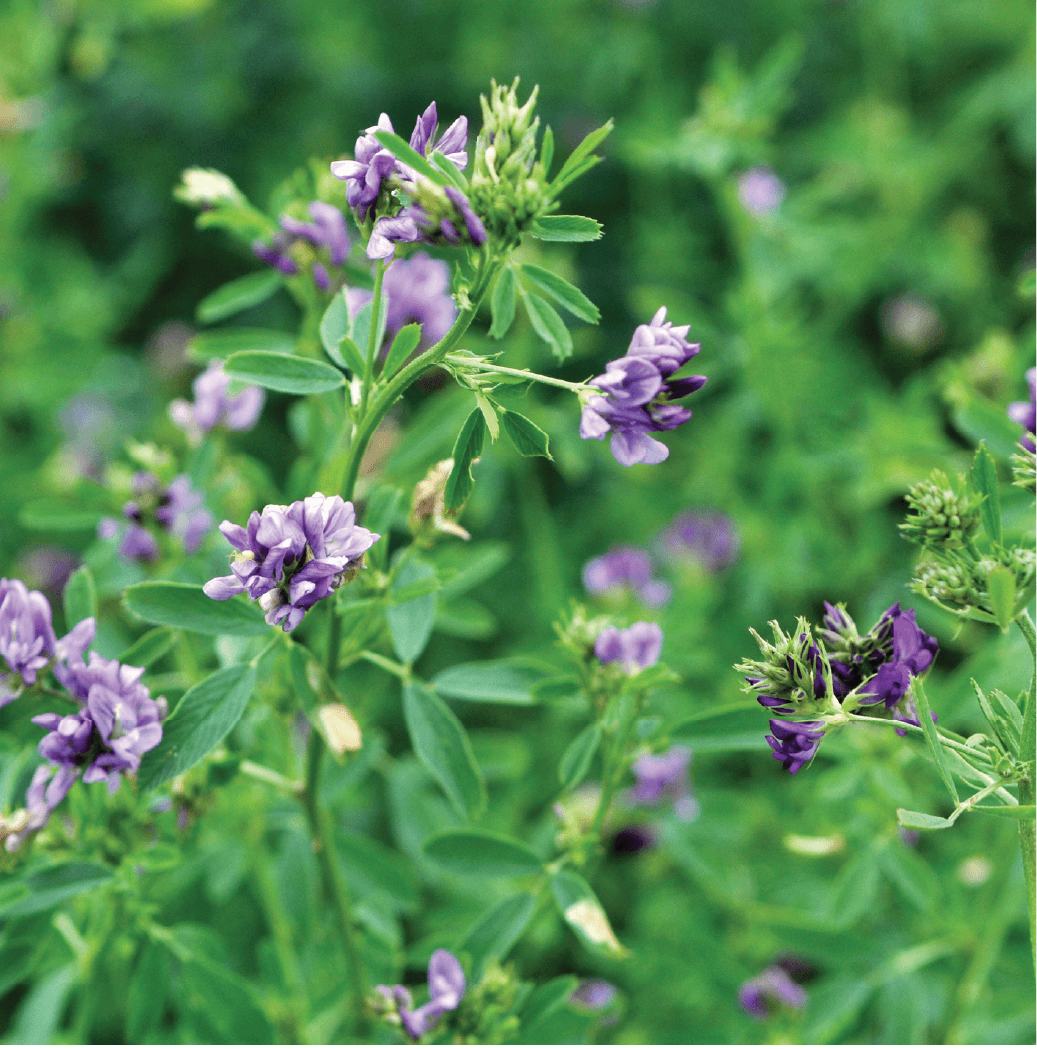


From $3.98/lb
Healthier Soil, Bigger, Break Disease Cycles For Good, Protect Your Next Crop
See Details
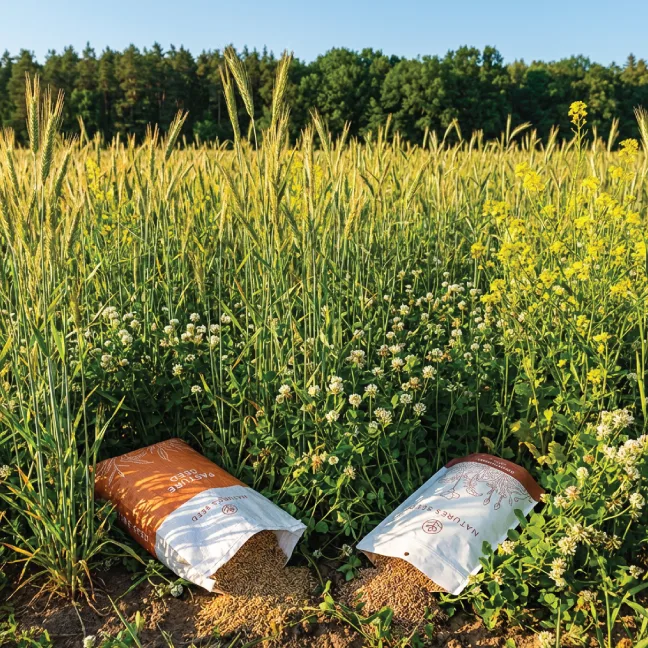
Cover Crop Seed — Build Better Soil Between Every Planting
The most productive growers know that what you plant between your cash crops matters as much as the crops themselves. Cover crops protect bare soil from erosion, suppress weeds without chemicals, fix nitrogen, break up compaction, and feed the soil biology that drives long-term fertility. They’re not an expense — they’re an investment in every harvest that follows.
Nature’s Seed cover crop blends are expertly formulated with grasses, legumes, and broadleaf species selected for complementary root structures and nutrient cycling. Every blend is USDA-tested for purity and germination, with no fillers and no GMOs.
The Science of Soil Health
Healthy soil isn’t just dirt — it’s a living ecosystem. One teaspoon of productive soil contains more microorganisms than there are people on Earth. Cover crops feed this underground community in ways that bare soil or synthetic inputs simply can’t.
Mycorrhizal networks. Living roots maintain the fungal networks that transport nutrients between plants and improve soil structure. When soil sits bare, these networks die. Cover crops keep them alive and expanding.
Carbon sequestration. Cover crops capture atmospheric carbon through photosynthesis and deposit it into the soil as organic matter. Over time, this increases water-holding capacity, nutrient availability, and soil tilth. Every percent increase in organic matter allows soil to hold an additional 20,000 gallons of water per acre.
Nitrogen fixation. Legume species in our blends — including crimson clover, field peas, and hairy vetch — partner with rhizobium bacteria to pull nitrogen from the air and store it in root nodules. When terminated, that nitrogen becomes available to the following crop, reducing or eliminating the need for synthetic fertilizer.
———
What Cover Crops Actually Do
Different species solve different problems. Our multi-species blends combine several functions in a single planting:
• Erosion control — Dense root systems and surface biomass protect soil from wind, rain, and snowmelt. Critical on slopes, tilled fields, and recently disturbed ground.
• Weed suppression — A thick cover crop canopy shades out weed seedlings and competes for water and nutrients. Some species, like winter rye, also release allelopathic compounds that inhibit weed germination.
• Compaction breaking — Deep-rooted species like tillage radishes and turnips punch through hardpan layers that restrict water movement and root growth. When these taproots decompose, they leave channels that improve drainage and aeration.
• Water infiltration — Cover crop roots create pore space that allows rainfall to soak in rather than run off. Fields with cover crops absorb water faster and hold more of it in the root zone.
• Pollinator habitat — When allowed to flower before termination, cover crops like crimson clover and vetch provide early-season nectar for bees and beneficial insects.
Cover Crop Species Guide
Understanding the key players helps you choose the right blend for your goals.
Legumes (nitrogen fixers): Crimson clover, hairy vetch, field peas, and winter peas. These are your soil fertilizers. Expect 50-150 lbs of nitrogen per acre depending on species and growing conditions.
Grasses (biomass and carbon): Annual ryegrass, winter rye, winter wheat, and oats. Fast-establishing, high-biomass species that produce extensive root systems and capture carbon. Winter rye is especially cold-hardy and provides excellent weed suppression.
Brassicas (compaction breakers): Tillage radishes, turnips, and mustard. Deep taproots break through compacted layers. Mustard varieties also function as biofumigants — their decomposing tissues release compounds that suppress soil-borne pathogens and nematodes.
Our multi-species cocktail blends combine all three groups for maximum soil benefit. The diversity of root types, growth habits, and nutrient cycling creates a more resilient planting than any single species alone.
———
When to Plant Cover Crops
Timing depends on your region and goals:
• Late summer / early fall (August-October) — The most common window. Plant after cash crop harvest to protect soil through winter. Winter rye, crimson clover, and radishes are top choices.
• Spring (March-May) — Plant quick-growing species like oats, field peas, or crimson clover before summer cash crops. Terminate before planting.
• Year-round — In mild climates, cover crops can grow continuously. Rotate species to avoid building pest or disease pressure.
Termination methods include mowing, rolling with a crimper, light tillage, or winterkill (some species naturally die in hard freezes and leave a mulch layer). Choose your method based on your equipment, tillage philosophy, and the next crop in rotation.
Beyond the Garden — Dual-Purpose Plantings
Cover crops don’t have to be single-purpose. Many blends double as food plots for deer and wildlife — clover, brassicas, and field peas attract game while building your soil for the next season. If nitrogen fixation is your primary goal, explore our full clover seed lineup for dedicated legume plantings.
Whether you’re managing a backyard garden bed or a thousand-acre farm, cover crops are the simplest way to improve your soil year over year. Every blend ships free from Nature’s Seed — USDA-tested, no fillers, no GMOs, and expertly blended to give your ground the reset it deserves.
———
Frequently Asked Questions — Cover Crop Seed
Q: When is the best time to plant cover crops?
A: Late summer through early fall (August-October) is the most common planting window — sow after cash crop harvest to protect soil through winter. Spring planting (March-May) works for quick-growing species like oats and field peas before summer crops. In mild climates, cover crops can be grown year-round with species rotation.
Q: Do I have to terminate cover crops before planting?
A: Yes, cover crops should be terminated before planting your next cash crop to prevent competition for water, nutrients, and light. Common termination methods include mowing, rolling with a crimper, light tillage, or relying on winterkill for species that naturally die in hard freezes. Terminate at least 2-3 weeks before planting to allow decomposition to begin.
Q: What is the best cover crop for adding nitrogen to the soil?
A: Legumes are the nitrogen fixers. Crimson clover, hairy vetch, and field peas can fix 50-150 pounds of nitrogen per acre depending on growing conditions. Hairy vetch is one of the highest producers, while crimson clover establishes faster. For maximum nitrogen fixation, inoculate legume seed with the appropriate rhizobium bacteria before planting.
Q: Will cover crops suppress weeds?
A: Yes — cover crops are one of the most effective non-chemical weed suppression tools available. A thick canopy shades out weed seedlings and competes for water and nutrients. Winter rye is especially effective because it releases allelopathic compounds that inhibit weed seed germination. Multi-species blends that combine fast-establishing grasses with spreading legumes provide the densest weed-suppressing canopy.
Q: How do I plant cover crops without tilling?
A: Broadcasting seed on the soil surface is the simplest no-till method. For best results, broadcast seed into standing cash crops 2-4 weeks before harvest (called relay planting or interseeding). You can also broadcast onto harvested stubble and let rain work the seed into the soil. A light pass with a cultipacker or roller improves seed-to-soil contact without full tillage.
Q: Can I graze livestock on cover crops?
A: Yes, many cover crop species make excellent forage. Clover, field peas, turnips, and oats are all palatable and nutritious for cattle, sheep, and goats. Managed grazing on cover crops provides dual benefits — livestock feed and soil improvement from hoof action and manure cycling. Remove animals before they graze below 3-4 inches to maintain root health and regrowth potential.
Q: Do cover crops attract pollinators?
A: When allowed to flower before termination, cover crops like crimson clover, hairy vetch, and mustard provide critical early-season nectar and pollen for bees and beneficial insects. This is especially valuable in agricultural landscapes where pollinator forage is limited. Even delaying termination by 1-2 weeks to allow peak bloom can significantly benefit local pollinator populations.
Q: What is the best winter cover crop?
A: Winter rye (cereal rye) is the gold standard for winter cover cropping. It’s the most cold-hardy option, germinating in temperatures as low as 34°F and surviving harsh winters that kill other species. It produces massive biomass, suppresses weeds through allelopathy, and captures nutrients that would otherwise leach over winter. For nitrogen fixation, pair it with hairy vetch or crimson clover in a multi-species blend.
