
Lawn Alternative
Spreading
Premium clover seed for lawns, pastures, cover crops, and pollinator habitat. Easy-to-grow varieties for nitrogen fixation, ground cover, and livestock forage in every region.
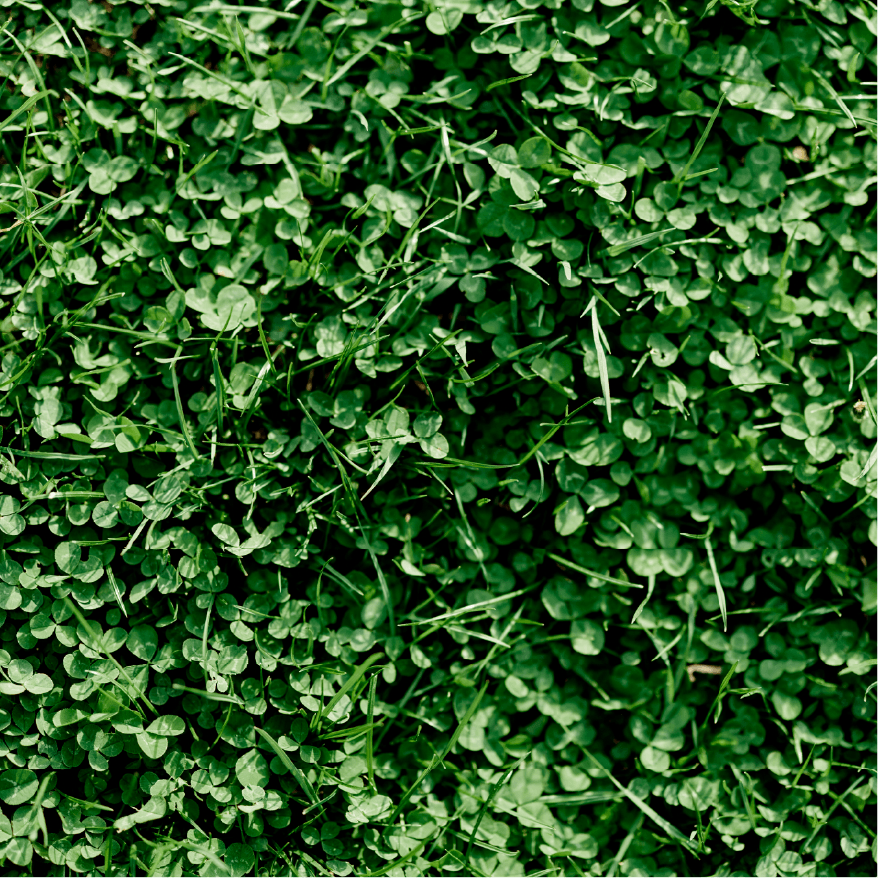
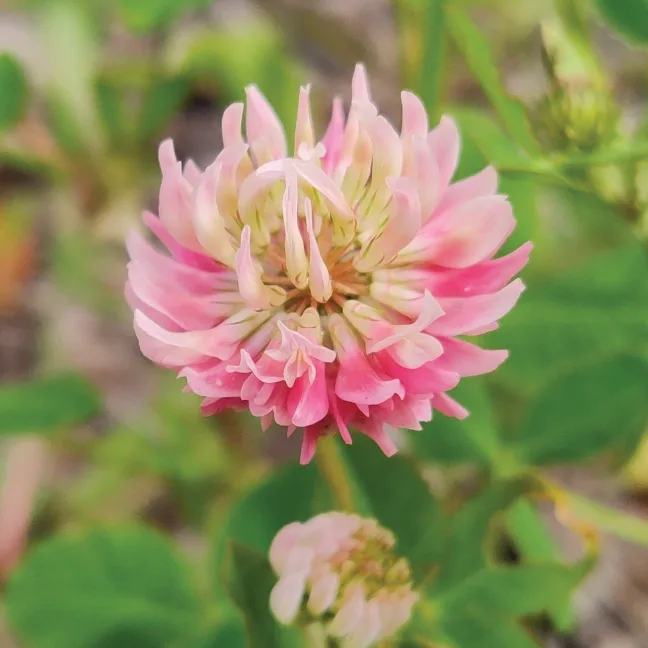
Clover Seed — The Hardest-Working Plant for Lawns, Pastures, and Soil
Clover does more per square foot than almost any plant you can grow. It feeds your soil, feeds your livestock, feeds pollinators, and stays green through droughts that turn grass brown. Whether you’re planting a clover lawn, improving pasture nutrition, or building soil health as a cover crop, clover earns its place in the ground.
At Nature’s Seed, we carry white Dutch clover, red clover, crimson clover, and purpose-built blends — each lot USDA-tested for purity and germination, with no fillers and no GMOs.
How Clover Feeds Your Soil for Free
Clover is a legume, which means it has a superpower most plants don’t: nitrogen fixation. Here’s how it works. Beneficial bacteria called rhizobium colonize nodules on clover roots. These bacteria pull nitrogen gas from the atmosphere and convert it into a form plants can use. The clover feeds itself, and when roots decompose, that nitrogen becomes available to surrounding grasses and crops.
A healthy stand of clover can fix 80 to 200 pounds of nitrogen per acre per year — the equivalent of a significant fertilizer application, delivered naturally and continuously. That’s real money saved on inputs, and it’s why clover has been a cornerstone of sustainable agriculture for centuries.
For best results with nitrogen fixation, inoculate your clover seed before planting. Inoculant contains the specific rhizobium strain that partners with clover. Without it, fixation may be slower or less efficient — especially on ground that hasn’t grown clover recently.
———
Choosing the Right Clover Type
Different clovers serve different purposes. Understanding the differences helps you pick the right one for your project.
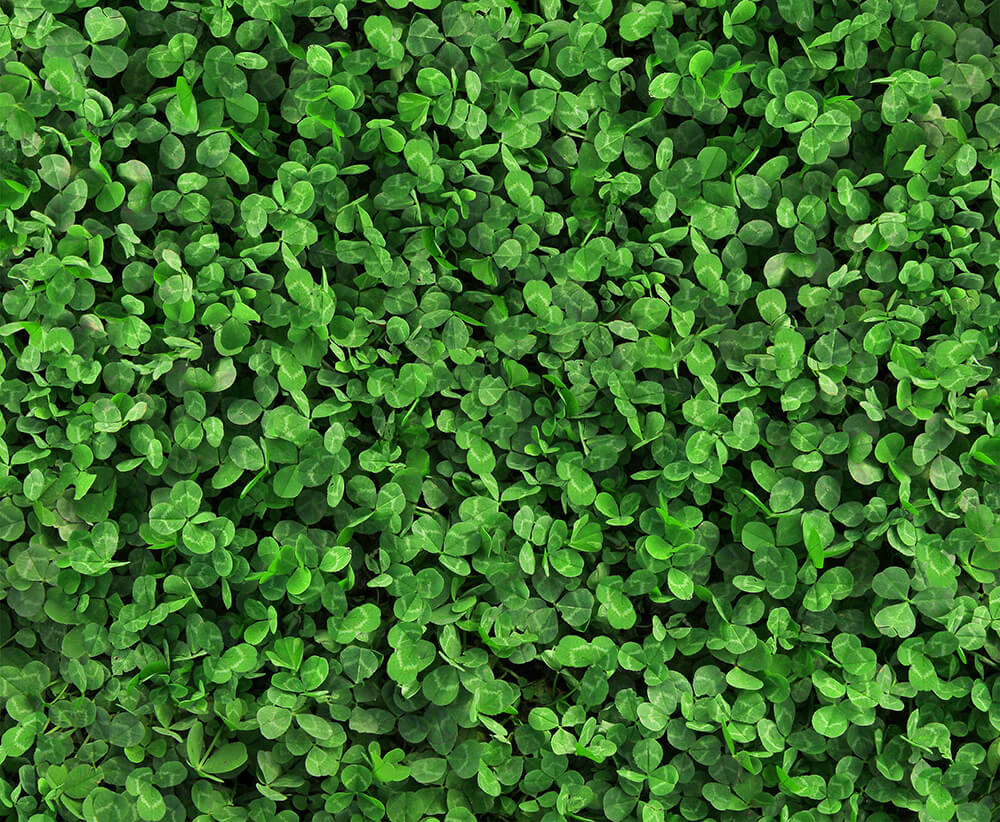
White Dutch Clover is the classic lawn and pasture clover. It grows low (4-8 inches), spreads by stolons to fill gaps, and tolerates mowing and foot traffic. It’s perennial, so it comes back year after year. White clover is the top choice for clover lawns, mixed turf, and pasture supplementation.
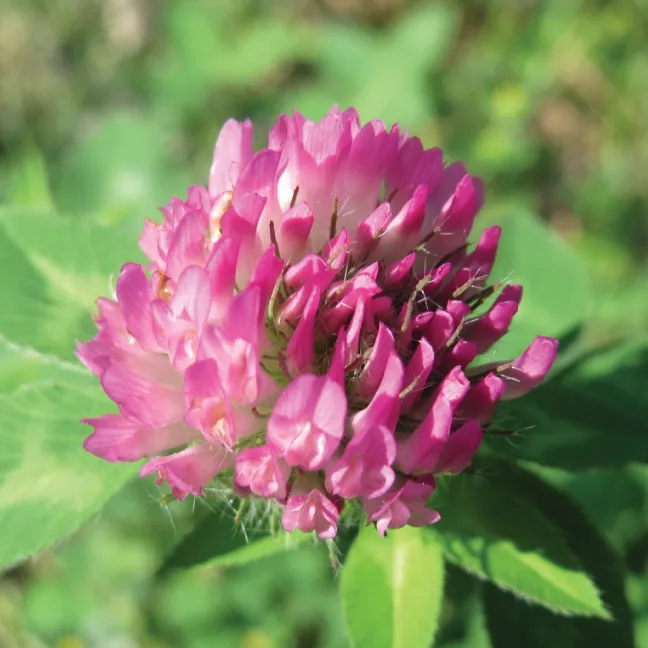
Red Clover grows taller (12-24 inches) and produces more biomass per acre. It’s a short-lived perennial, lasting 2-3 years, and it’s the workhorse of pasture improvement — delivering higher protein content for cattle, horses, sheep, and goats. Red clover also excels as a cover crop for soil building between cash crops.
Crimson Clover is a fast-growing annual that produces striking red flower spikes. It establishes quickly, fixes nitrogen in a single season, and winter-kills in cold climates for easy termination. Crimson clover is popular for cover cropping, food plots, and pollinator plantings.
Clover as a Lawn Alternative
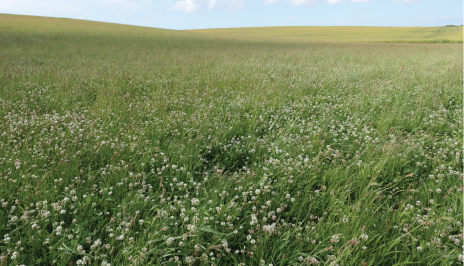
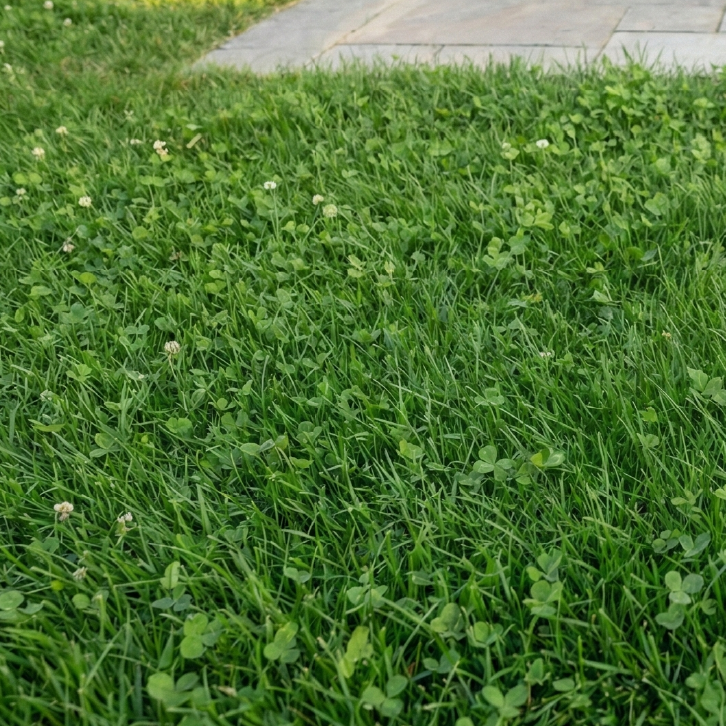
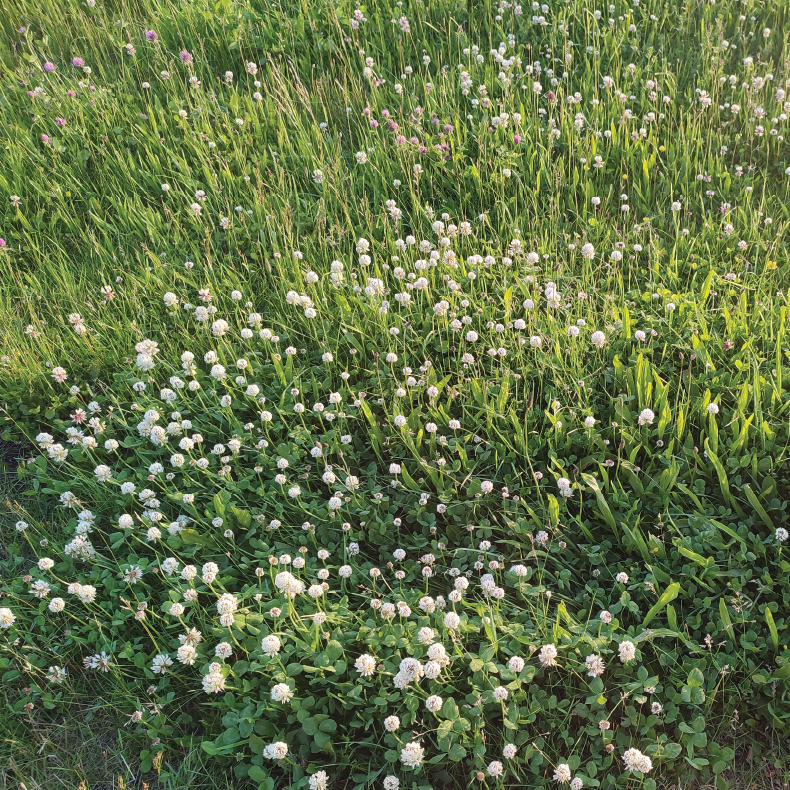
The clover lawn is making a serious comeback — and for good reason. A white clover lawn stays green through summer heat, never needs fertilizer, rarely needs mowing, and supports bees and butterflies instead of demanding chemicals to look good.
You can plant clover as a pure stand or mix it into existing grass at 2-4 ounces per 1,000 square feet. It fills bare spots, outcompetes many weeds, and adds a soft, cushioned texture underfoot. Our lawn seed blends pair well with clover for a mixed turf that combines the durability of grass with the soil-feeding benefits of a legume.
———
Clover in Pastures
Adding clover to pasture increases crude protein content, improves palatability, and extends the grazing season. Most grasses deliver 8-12% protein; clover pushes that to 15-25%. For growing animals, lactating mares, and dairy cattle, that protein boost translates directly to performance.
A word on management: clover in pastures should be maintained at 25-30% of the stand to balance nutrition with bloat risk. Pure clover pastures can cause frothy bloat in cattle, so mixing clover with grasses is the standard practice. Browse our full pasture seed collection for regionally adapted blends that include clover at the right ratios.
When and How to Plant Clover
Clover is frost-tolerant and forgiving — one of the easiest seeds to establish.
• Spring planting (March-May) — works in all regions; clover germinates in soil temperatures above 50°F
• Late summer/fall planting (August-September) — ideal for overseeding into existing grass or pasture
• Frost seeding (February-March) — broadcast seed on frozen ground and let freeze-thaw cycles work it in naturally
Seeding rates vary by type: white clover at 2-4 lbs per acre (or 2-4 oz per 1,000 sq ft for lawns), red clover at 8-12 lbs per acre, crimson clover at 15-20 lbs per acre. Clover prefers a soil pH of 6.0-7.0 but tolerates a range of conditions.
More Than Just a Plant
Clover connects to nearly everything we sell. Use it as a cover crop to build soil between plantings. Add it to food plots for year-round deer and wildlife nutrition. Plant it alongside our wildflower seed for a pollinator paradise. However you use it, clover gives back more than it takes — and every bag ships free with the quality you expect from Nature’s Seed.
———
Frequently Asked Questions — Clover Seed
Q: How does clover fix nitrogen in the soil?
A: Clover is a legume that partners with beneficial rhizobium bacteria living in nodules on its roots. These bacteria convert atmospheric nitrogen gas into plant-available nitrogen. A healthy clover stand can fix 80 to 200 pounds of nitrogen per acre per year — the equivalent of a major fertilizer application, delivered naturally and continuously.
Q: What is the difference between white clover and red clover?
A: White Dutch clover grows low (4-8 inches), spreads by stolons, tolerates mowing, and is perennial — making it ideal for lawns and pasture supplementation. Red clover grows taller (12-24 inches), produces more biomass, delivers higher protein for livestock, and lasts 2-3 years. Choose white for lawns and light grazing, red for pasture improvement and cover cropping.
Q: Will clover take over my lawn?
A: White clover spreads by stolons and will fill bare spots, but it coexists well with grass in a mixed stand. It typically settles at 30-40% of a mixed lawn. If you want to limit its spread, regular mowing keeps it in check. Many homeowners intentionally encourage clover because it stays green without fertilizer and supports pollinators.
Q: Do I need inoculant when planting clover seed?
A: Inoculant is strongly recommended, especially on ground that hasn’t grown clover recently. It contains the specific rhizobium bacteria strain that colonizes clover roots and drives nitrogen fixation. Without inoculant, nitrogen fixation may be slower or less efficient. Pre-inoculated seed is available, or you can purchase inoculant separately and coat the seed before planting.
Q: What is the best clover for horse and cattle pastures?
A: Red clover is the top choice for pasture improvement because of its high protein content (15-25%) and biomass production. White Dutch clover also works well, especially in mixed-grass pastures. Maintain clover at 25-30% of the stand to balance nutrition with bloat risk in cattle. Mixing clover with grasses rather than planting pure clover stands is standard practice.
Q: Is clover safe for horses?
A: Yes, clover is generally safe and nutritious for horses when managed properly. White and red clover provide excellent protein supplementation in mixed pastures. In rare cases, clover infected with a fungus called Rhizoctonia leguminicola can cause slobbers (excessive drooling), which is harmless but messy. Inspect clover for black patch fungus and manage pastures with good rotation to minimize risk.
Q: When is the best time to plant clover?
A: Clover can be planted in spring (March-May) when soil temperatures reach 50°F, in late summer (August-September) for overseeding into existing stands, or frost-seeded in late winter (February-March) by broadcasting on frozen ground. Spring and frost seeding are the most popular methods because clover establishes easily with cool-season moisture.
Q: Can clover grow in shade?
A: White Dutch clover tolerates partial shade better than most lawn grasses and will grow in areas receiving 4-6 hours of sunlight per day. In heavy shade (under 4 hours), clover thins out and produces fewer flowers. Red clover prefers full sun and does not perform well in shaded conditions. For shaded areas, white clover mixed with shade-tolerant grass is the best combination.
