
Quality Highlights
| Every Seed Grows We don't pad bags with dead seed or filler. What's in the bag is what grows in your yard. | |
| Independently Tested, Every Batch Each lot is tested by a third-party lab for germination and purity before it ships to you. | |
| Grown on American Farms Our seed comes direct from U.S. growers we know personally — not a middleman warehouse. | |
| Clean Seed, No Shortcuts No coatings to inflate weight, no GMOs, no cheap filler species. Just seed. |
Free shipping on all orders under 125 lbs!
Lawn Seed
Check your ZIP code to know if this seed works for you
Kentucky Bluegrass and Perennial Ryegrass Mix
Formally known as the Blue Ribbon Mix | SKU: TURF-W-BR
Planting Aids for your Seed
What is the TWCA Blue Ribbon Water-Wise Lawn Mix
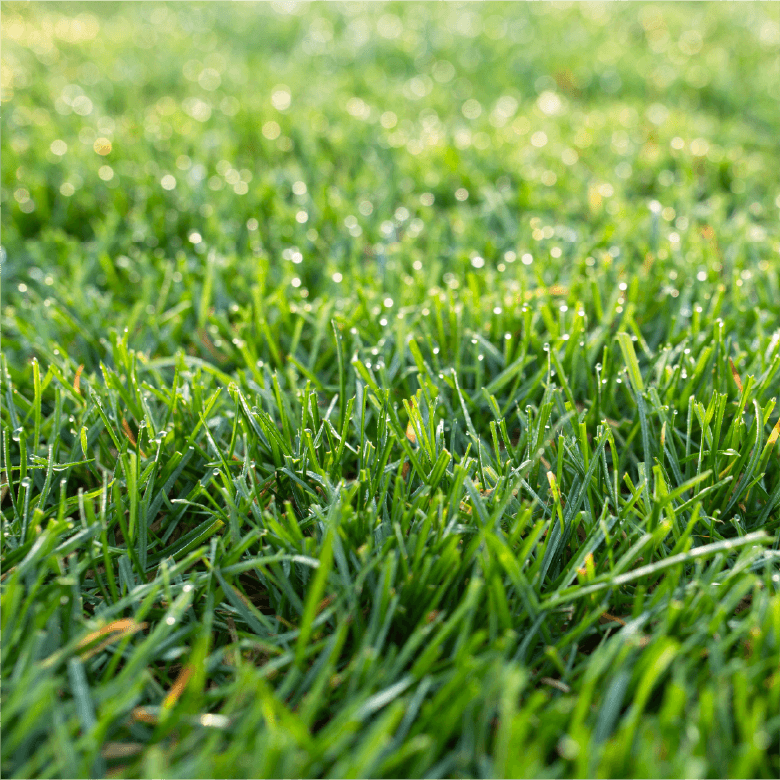
TWCA Water-Wise Blue Ribbon Mix is a premium turfgrass seed blend engineered for water savings and top-tier performance, especially in Northern climates. Made from 80% Kentucky bluegrass and 20% Perennial ryegrass, it’s backed by turf expert Jimmy Lewis and certified by the Turfgrass Water Conservation Alliance (TWCA) for using significantly less water than standard mixes. Fast to germinate and quick to recover, it produces a rich, dark-green lawn perfect for premium landscapes and athletic fields.
Specifications
Seeding Specs
Water Needs
1–2 inches of water per week
Soil Preference
Prefers well-drained soils; adaptable from sandy loam to clay loam
Soil pH
5.5–8.0
Planting Depth
1/8 to 1/4 inch
Establishment Specs
Height
~3 inches
Color
Rich, deep green
Uses
Home Lawns; Sports Turf; Parks & Public Spaces; Golf (Fairways & Roughs); Water-Conscious / Drought-Tolerant
Native/Introduced
Introduced
Why Choose This Seed?

Water Conservation
The Blue Ribbon Mix is TWCA certified to use 30–40% less water than standard turf blends. Its deep-rooted bluegrass and drought-tolerant genetics help it stay green with far less irrigation—ideal for drought-prone or water-restricted areas. TWCA trials confirm it maintains healthy turf with significantly reduced water use.
Heat & Salt Tolerance
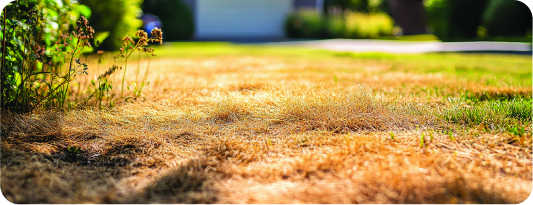
The selected bluegrass cultivars in this mix—like Tirem—offer strong heat and salt tolerance, holding their color and growth even during hot summers or in saline soils. That makes Blue Ribbon Mix a smart choice for challenging areas like parkways, sports fields, or sites exposed to road salt and heat reflection.
Disease Resistance
This blend also brings strong disease resistance, helping your lawn stay healthy with less intervention. Tirem bluegrass stands up well to common turf issues like dollar spot, rust, summer patch, and red thread. Plus, the fine-textured varieties in the mix naturally resist thatch buildup, supporting a longer-lasting, low-maintenance lawn.

Rapid Germination & Establishment
Including perennial ryegrass in the mix speeds up germination, with sprouts appearing in just 7–10 days. It provides quick cover and soil stabilization, while the Kentucky bluegrass—which germinates in 2–4 weeks—fills in over time for lasting density. The result is fast green-up now, and a durable, long-term lawn later.

High Traffic Tolerance
Blue Ribbon Mix is built for durability. Perennial ryegrass provides quick growth and early traffic tolerance, while Kentucky bluegrass spreads through rhizomes to repair wear and fill in damage over time. Together, they create a lawn that stands up to kids, pets, and play without thinning out, making it ideal for high-traffic areas.
Planting and Growth Guide

Soil Preparation
Seeding Rate:
For new lawns, apply 5–7 lbs per 1,000 sq. ft. (~220 lbs per acre) to ensure a thick, even stand. For overseeding, use 2–3 lbs per 1,000 sq. ft.. For best results, seed in two directions—half one way, half perpendicular.
Planting Depth:
Seed should be buried 1/8″ to 1/4″ deep—just barely covered with soil. Lightly rake after broadcasting or use a slit seeder set to ~0.25″. Avoid planting deeper than ½”, as it can prevent germination.
Timing:
Seed in early fall (late August–September) for best results. Spring (April–mid-May) is also a good window, though weeds may be more of a challenge. Avoid planting during mid-summer heat.

Seeding
Initial Watering:
Keep the seedbed consistently moist for the first 2–3 weeks. Water lightly 1–2 times per day, just enough to keep the top inch of soil damp—avoid puddles. A light layer of mulch or peat moss can help retain moisture. Once seedlings reach ~2 inches, reduce to less frequent, deeper watering.
Germination Time:
Ryegrass: sprouts in 7–14 days under ideal conditions
Bluegrass: germinates more slowly in 14–28 days
Don’t worry if the bluegrass lags—this mix is designed for fast early cover from ryegrass, followed by bluegrass filling in to form a dense, permanent lawn.

Watering & First Mow
Establishment & Mowing:
Mow for the first time when the grass reaches 3 inches, usually around 4–6 weeks after seeding. Cut to about 2 inches, and be sure to use a sharp blade to protect young seedlings. After that, begin regular mowing as the lawn fills in.
Fertilization:
Apply a starter fertilizer at seeding (e.g., 5-10-5 or 10-20-10) to boost root growth. About 4–6 weeks later, apply a balanced fertilizer to support continued development. Hold off on weed control until the lawn has been mowed at least 3 times.

Ongoing Maintenance
Keep the grass at 2–3 inches, with 2.5 inches as an ideal balance, higher (around 3″) during summer or drought to reduce stress.
Regular watering keeps the lawn lush, even though it is drought-tolerant.
Apply fertilizer 2–4 times per year—spring, early summer, late summer, and fall.
Check for thatch buildup and dethatch or aerate if it exceeds ½ inch.
For thin spots, overseed in early fall at 2–3 lbs per 1,000 sq. ft.
Helpful Resources
Lawn Seed Planting Guide

How to Water Kentucky Bluegrass

Kentucky Bluegrass Lawn Recovery
Questions & Answers
When is the best time to plant this seed mix?
The ideal time is early fall (late August–mid-September) or spring (April–May) when soil temps are 50–65°F. Fall seeding offers warm soil, cool air, and fewer weeds—ideal for establishment.
Can I use this to overseed an existing lawn?
Yes. It’s excellent for overseeding cool-season lawns, especially if you’re converting to a drought-tolerant lawn. Mow low, remove thatch, and seed at 2–3 lbs/1,000 sq ft. Keep moist until germination.
Is it drought-tolerant?
Yes—TWCA certification means it uses 30–40% less water than typical bluegrass blends. Deep roots and cultivar selection make this mix highly efficient under reduced irrigation.
How soon can I mow after seeding?
When grass reaches 3 inches tall, usually within 3–4 weeks, begin mowing to 2–2.5″. Make sure the seedlings are well-rooted before mowing.
How much water will it need?
After establishment, apply 1–2 inches per week during active growth. Water deeply and infrequently to promote deep root systems and drought resilience.
Is it pet-friendly?
Yes. Both species are non-toxic and safe for pets. Their durability makes them great for dog traffic. Occasional urine spots may occur but recover quickly.
Still Have Questions?
Our seed experts are ready to help you find the perfect seed for your project.
1-866-322-7300 Ask a Seed ExpertCustomer Reviews
See what real customers are saying. All reviews are collected and verified by Shopper Approved, an independent third party.