Quality Highlights
| Every Seed Grows We don't pad bags with dead seed or filler. What's in the bag is what grows in your yard. | |
| Independently Tested, Every Batch Each lot is tested by a third-party lab for germination and purity before it ships to you. | |
| Grown on American Farms Our seed comes direct from U.S. growers we know personally — not a middleman warehouse. | |
| Clean Seed, No Shortcuts No coatings to inflate weight, no GMOs, no cheap filler species. Just seed. |
Free shipping on all orders under 125 lbs!
Pasture Seed
Check your ZIP code to know if this seed works for you
Perennial Ryegrass
Lolium perenne | SKU: PG-LOPE
Supported Species:
- Cattle
- Sheep
- Goats
- Horse
- Bison
- Alpaca/Llama
Planting Aids for your Seed
What is Perennial Ryegrass?
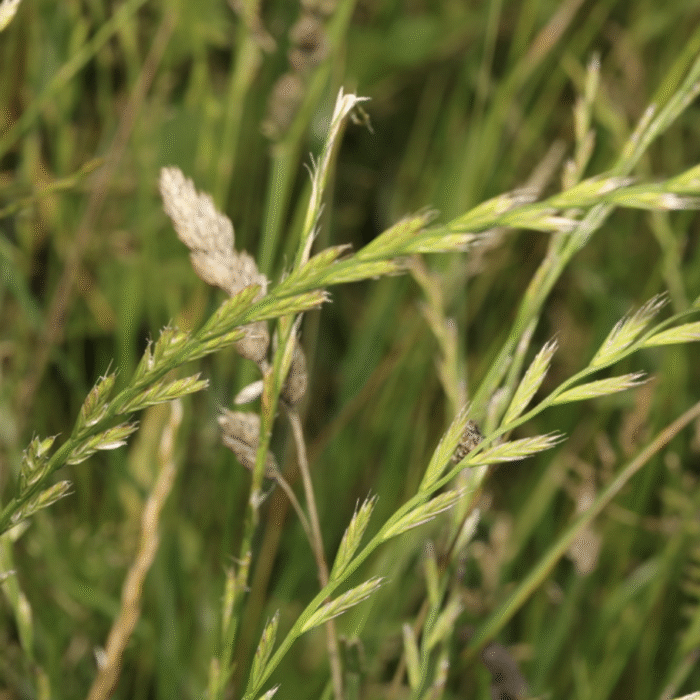
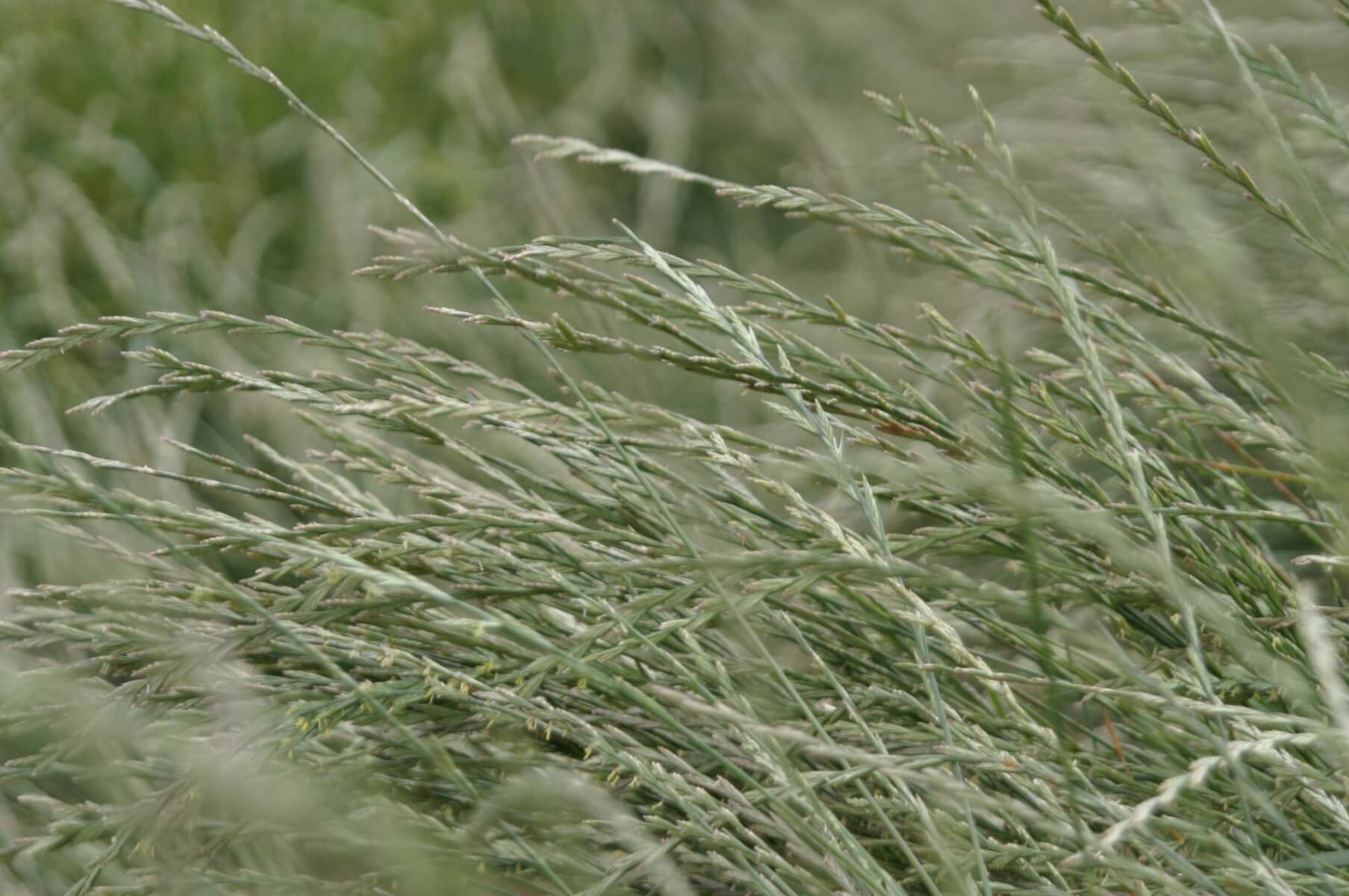
Perennial Ryegrass (Lolium perenne) is a cool-season forage grass prized for its fast establishment and rich, digestible forage. Adapted to mild temperate regions (Northeast, Great Lakes, Pacific NW, etc.), it thrives in well-watered pastures and hayfields. This vigorous grass delivers quick cover and high yields in spring/fall, supports cattle and sheep grazing, and also helps stabilize soil on slopes or in mixes. Its lush growth makes it a top choice for pasture performance and erosion control.
Specifications
Seeding Specs
Water Needs
Medium–High
Soil Preference
Fertile, well-drained
Soil pH
5.5–7.5
Planting Depth
¼–½ inch
Establishment Specs
Height
1–2 ft
Color
Bright green foliage
Uses
Pasture forage, hay, and silage; rotational grazing; cover crop; erosion control; turf establishment (lawns, sports fields); forage in conservation plantings.
Native/Introduced
Introduced
Why Choose This Seed?
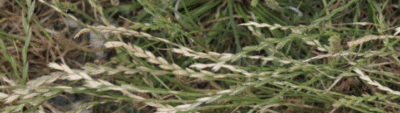
Handles Moist Soils and Flooding
Perennial ryegrass can handle short flooding and poorly drained soils better than many grasses. It prefers ample moisture and is not highly drought-tolerant. In summer heat (above ~87°F), it often goes dormant or browns out.
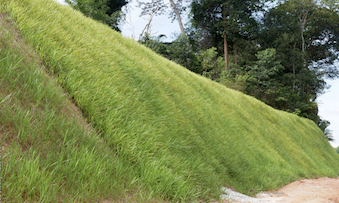
Erosion Control
This grass is commonly used for quick soil stabilization. Its fast germination and dense root system help lock down soil on slopes, stream banks, and disturbed sites. Perennial ryegrass is often seeded with slower native species as a nurse crop: it provides immediate cover and reduces erosion while deeper-rooted or longer-lived plants become established.
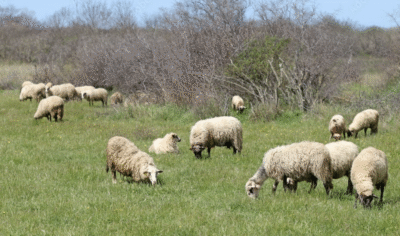
Grazing Resilience
Perennial ryegrass is well suited to intensive grazing. It tolerates close grazing and regrows rapidly due to prolific tillering. A new stand can be grazed heavily just ~2 months after planting. When managed with rotational grazing (taking animals off at ~3–4 inches regrowth and returning at 8–10 inches), it maintains productivity over multiple years. This fast recovery helps provide steady forage through spring and early summer.
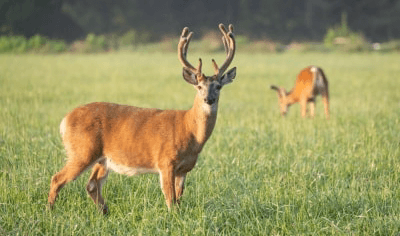
Wildlife Habitat
The grass provides both forage and cover for wildlife. It is palatable and nutritious for deer, elk, and game birds. Dense stands offer ground cover for upland nesting birds and small mammals.
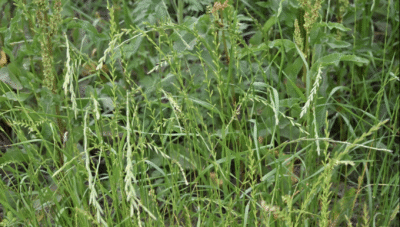
Vigorous Growth
Because perennial ryegrass is highly competitive, it can inhibit wildflower growth if used heavily. It tends to outcompete native herbs and wildflowers, particularly on fertile soils. Gardeners and restorationists often limit its seeding rate or avoid it entirely when planting wildflower meadows. In mixes, use only a small percentage of ryegrass or seed flowers at a later date, so that the ryegrass helps with initial cover without choking out bloomers.
Uses of Perennial Ryegrass
Forage & Grazing
Perennial ryegrass is primarily grown as high-quality pasture and hay. It establishes quickly and produces abundant, nutrient-rich forage ideal for cattle, sheep, and other ruminants. Livestock relish its palatability, and the grass regrows quickly after grazing or cutting. It is often included in mixed pastures (with clovers or other grasses) to boost early spring and fall yields.
Erosion Control
Its fast growth and dense roots make ryegrass an excellent temporary cover crop for erosion prevention. It can be drilled into slopes, streambanks or disturbed soils to hold the soil until deeper-rooted plants establish. Its short lifespan (3–4 years) and rapid decay of older plants also help release nutrients, benefiting subsequent plantings.
Low-Maintenance Landscaping
In suitable climates, ryegrass provides a low-fuss green cover. It tolerates infrequent mowing and quick regrowth, making it useful for low-traffic lawn areas or roadside plantings. Once established, it needs only standard maintenance (occasional mowing and fertilizing) to stay vigorous. In parks and sports fields, its durability and self-repair (with proper management) reduce overseeding needs.
Wildlife Habitat
This grass adds food and cover value on farms and conservation lands. Deer, elk, rabbits and upland game birds will graze it when available. In brush or wildfire rehabilitation mixes, it provides immediate forage for wildlife while shrubs or trees recover. (Keep in mind that pure stands favor cover but not flowering plants – many managers seed ryegrass with wildflowers or legumes to enhance habitat diversity.)
Ornamental Appeal
Perennial ryegrass has a fine, glossy leaf texture prized for showy green lawns in cool climates. It is often used as a “starter grass” in ornamental turf mixes to establish color quickly. Many homeowners and landscapers also use it to overseed warm-season grasses for winter color. Its sleek foliage and uniform growth habit give an attractive carpet effect; just be prepared to reseed any bare spots since it doesn’t spread laterally.
Helpful Resources
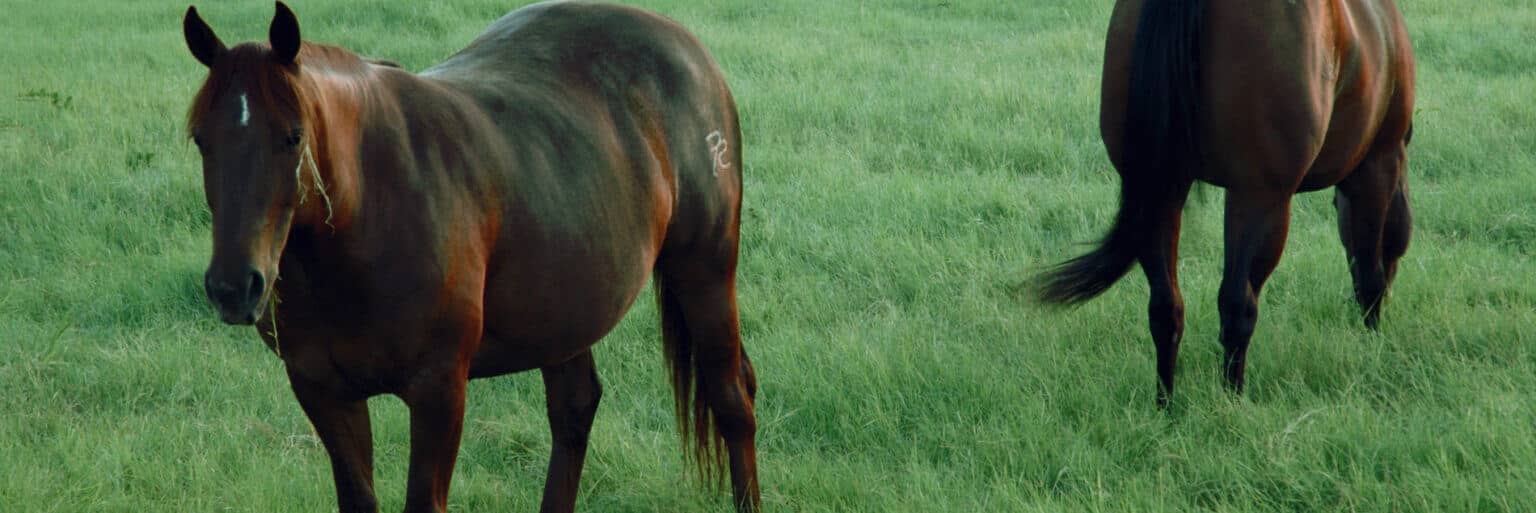
Pasture Seed Planting Guide
Questions & Answers
What is perennial ryegrass, and why plant it?
Perennial ryegrass (Lolium perenne) is a cool-season bunch grass from Europe that excels as livestock forage. Farmers plant it because it establishes extremely fast, filling pastures or hayfields with high-quality forage in the seeding year. It is also used to quickly green up lawns or stabilize soil. Overall, landowners choose it to get quick, nutritious pasture growth and to improve soil cover in cool, moist growing seasons.
How good is perennial ryegrass as a forage?
It’s among the very best cool-season forages. It has excellent protein and energy content and high digestibility. Cattle, sheep, and other livestock prefer it over many other grasses because it’s tender and palatable. Under proper management (good fertility and moisture), ryegrass can produce 6–8 tons/acre of dry matter in a season, making it a top-yielding feed option.
When and how should I plant ryegrass seed?
Plant ryegrass in spring (as soon as soil can be worked) or late summer/early fall, when soils are cool and moist. Seed at about ¼–½ inch depth. For new seeding, use ~15–25 lb/acre if planting a ryegrass field; if mixing with other pasture seed (grasses or clovers), use about 5–10 lb/acre of ryegrass. Firm the seed into a well-prepared seedbed (a cultipacker or light rolling after seeding improves contact). Good preparation and moisture are key to quick germination.
How much water does ryegrass need? Is it drought tolerant?
Ryegrass prefers adequate moisture and is not especially drought-tolerant. It performs best with regular rainfall or irrigation. During extended dry or hot conditions, it will slow growth or dormancy. For reliable stands, ensure at least moderate soil moisture (e.g. 18+ inches annual precipitation or irrigation). In other words, grow ryegrass in fields with good water supply or in regions with cool, wet seasons.
Can livestock graze ryegrass directly? Any grazing tips?
Yes – it’s very livestock-friendly. You can graze ryegrass soon after it has 3–4 inches of growth and then rotate animals out at ~8–10 inches for best regrowth. It tolerates frequent, close grazing if managed; repeated defoliation actually stimulates many new shoots. Avoid overgrazing down to the roots, and try rotational grazing to maximize persistence. Animals should have adequate minerals, as ryegrass can be low in calcium without supplements.
What climates and elevations are best for ryegrass?
Perennial ryegrass thrives in cool, moist climates. It’s widely used in the humid Northeast, Great Lakes, and Pacific Northwest, and in higher rainfall zones of California. It also grows in irrigated valleys and foothills (e.g. Intermountain West) with moderate winters. It needs some winter chill (it does poorly in very mild, southern zones) and does not tolerate extreme heat or drought. In northern areas, snow cover helps it survive winter; in milder regions it may stay green longer.
Still Have Questions?
Our seed experts are ready to help you find the perfect seed for your project.
1-866-322-7300 Ask a Seed ExpertCustomer Reviews
See what real customers are saying. All reviews are collected and verified by Shopper Approved, an independent third party.
You May Also Like
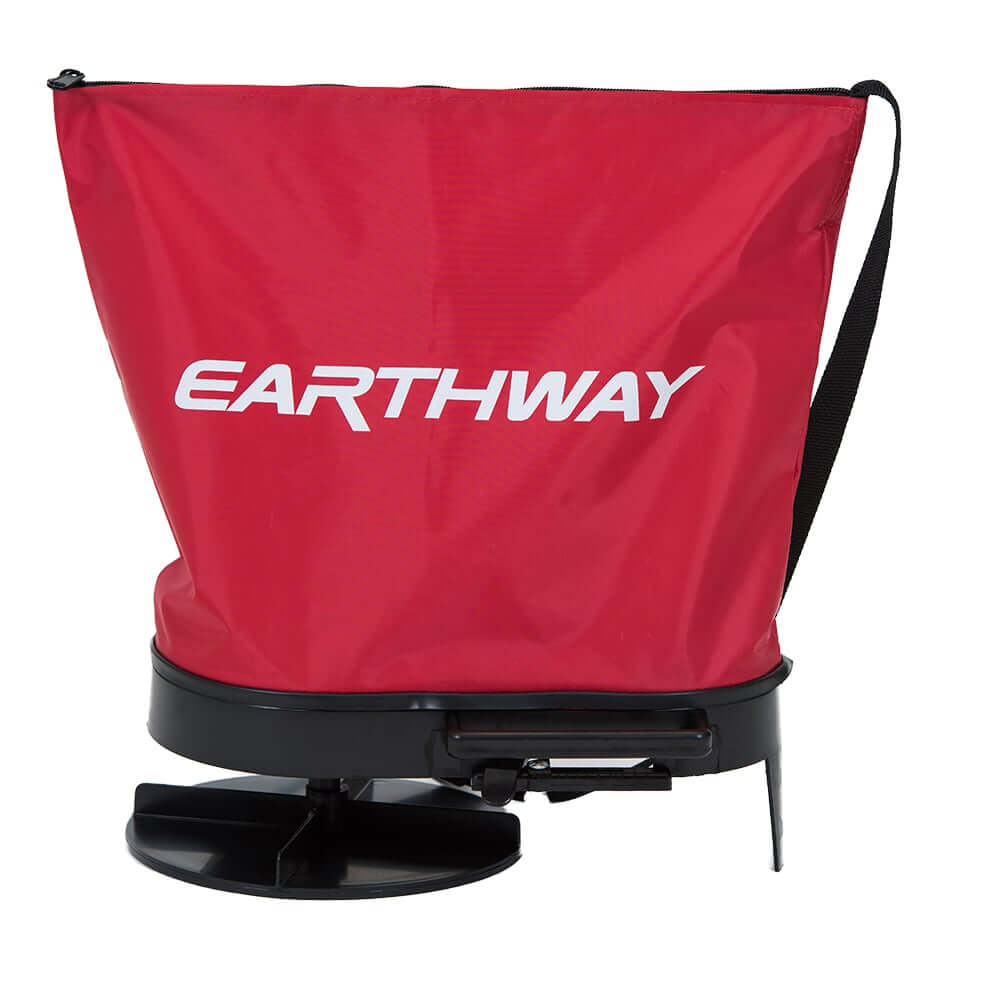
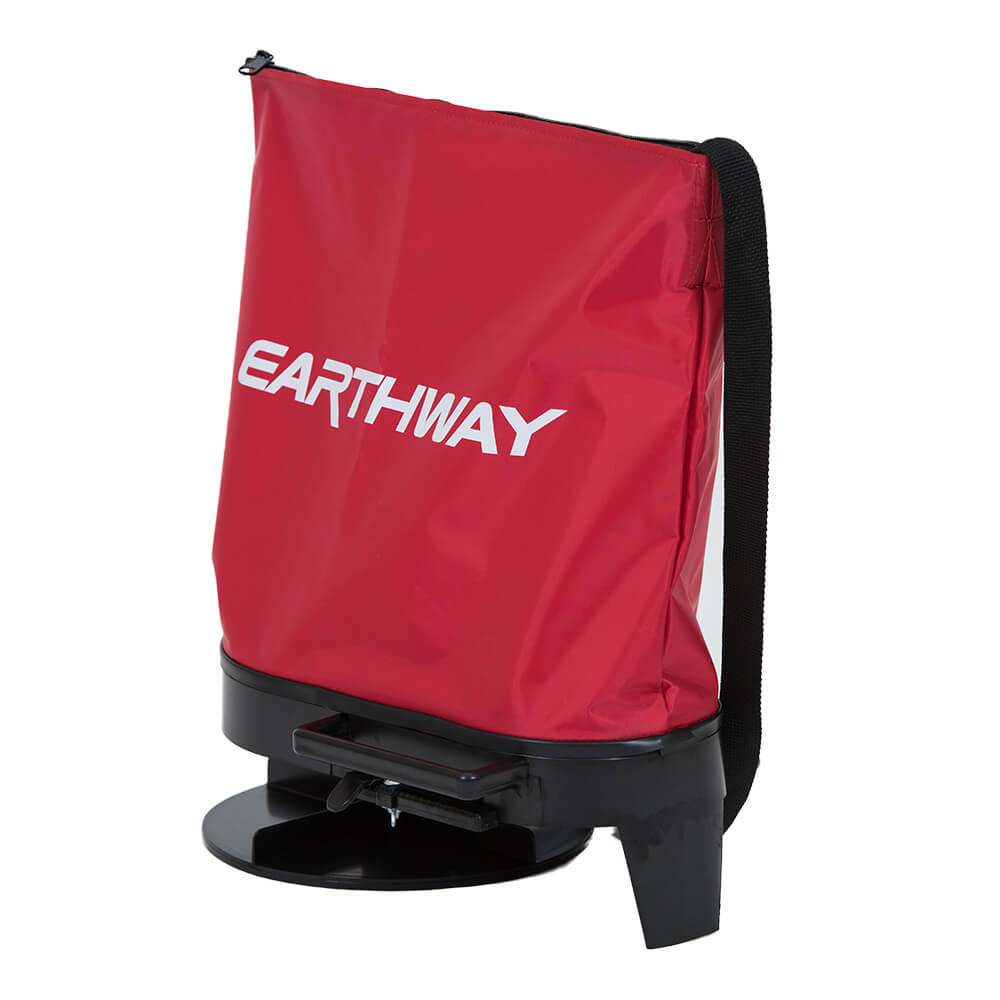
Go Anywhere
Even Coverage
From Original price was: $97.99.$89.99Current price is: $89.99.
25 lb Capacity, Slopes & Hills, Seed & Fertilizer, Stores Flat
See Details