
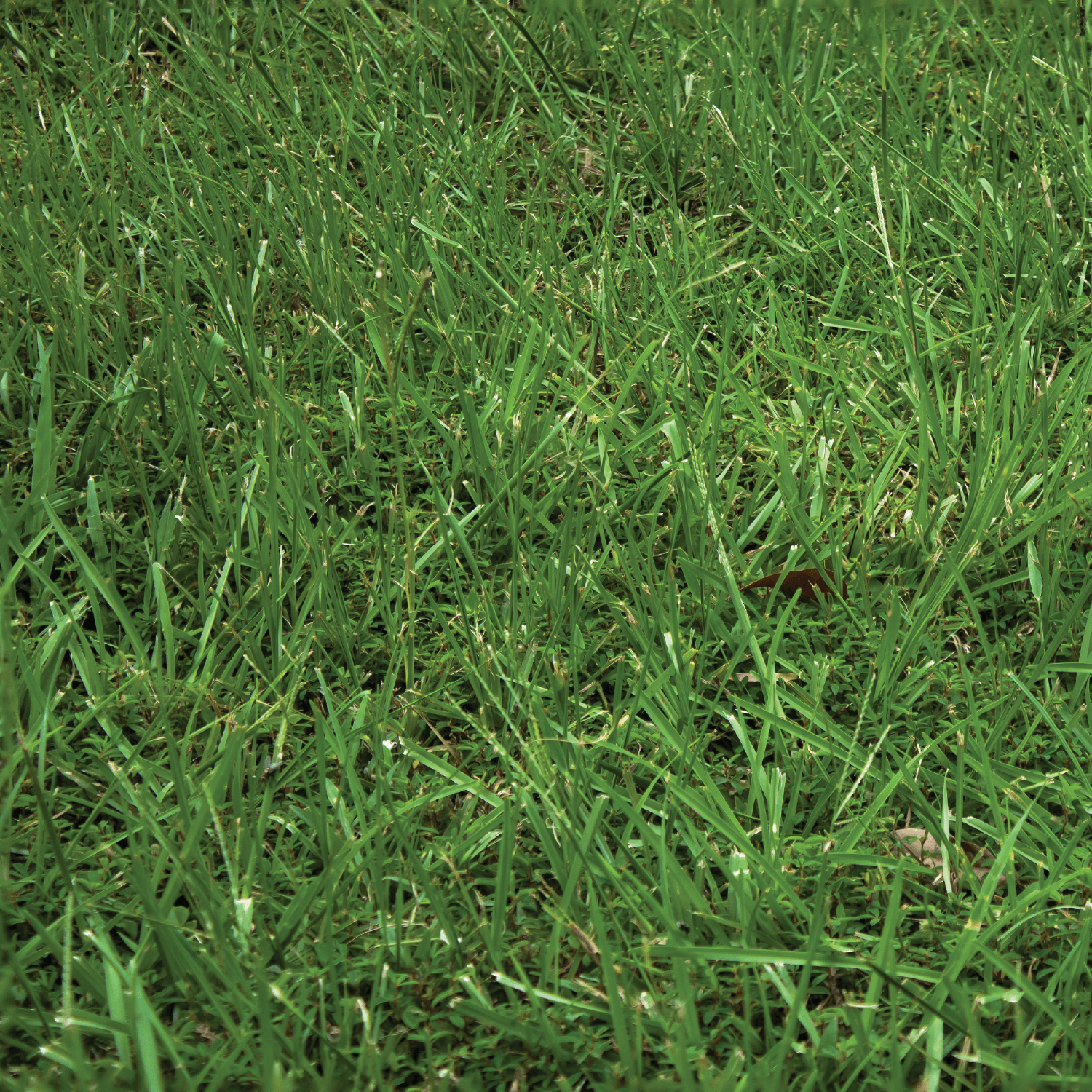
High-traffic
Water Saving
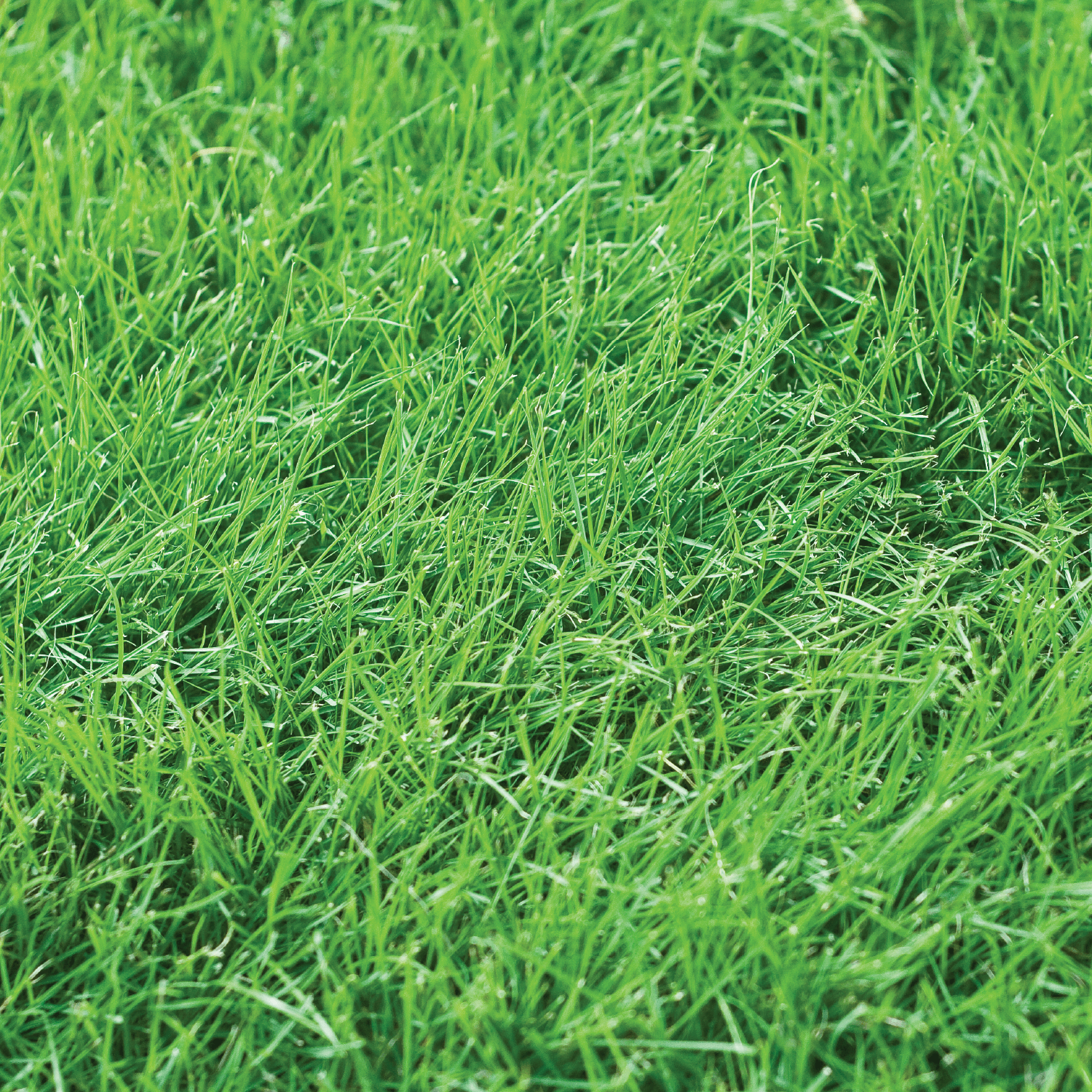
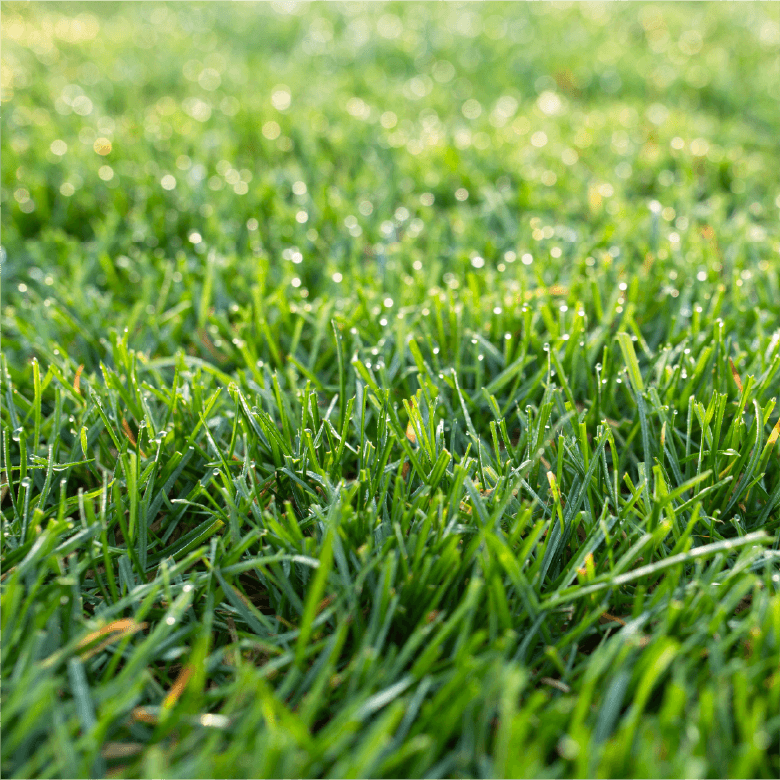
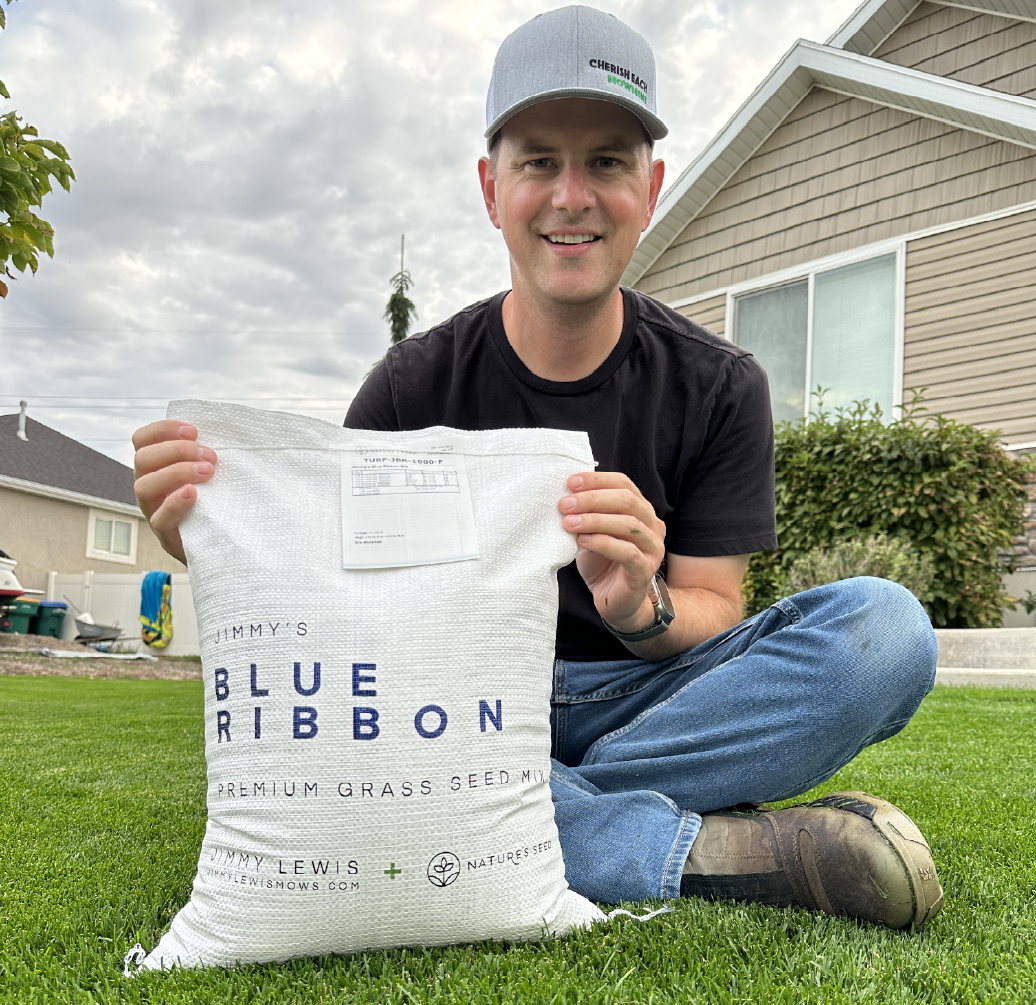
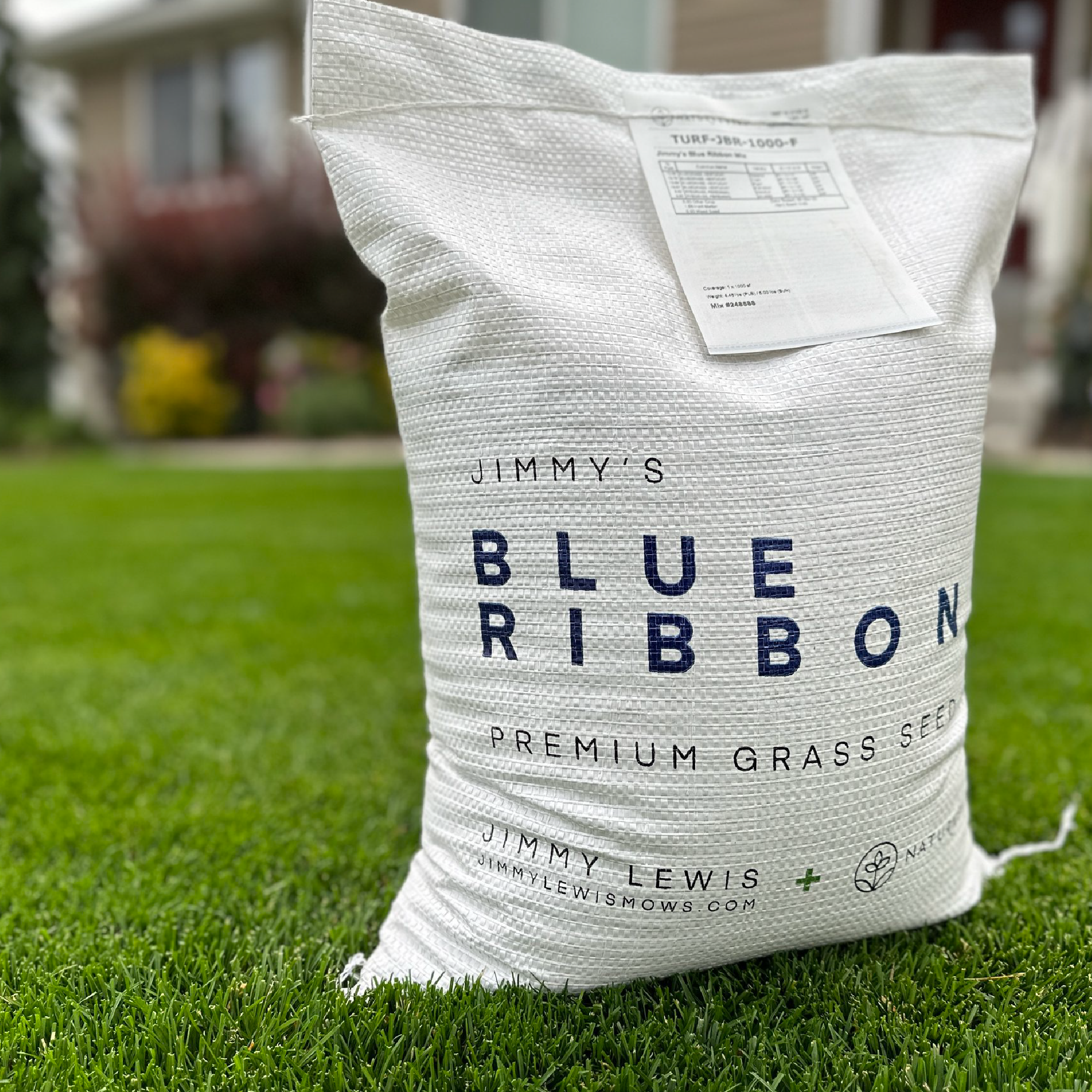

From $39.99
Medium-to-coarse texture, Full Sun/Partial Shade, 3a-7b, Moderate Maintenance
See Details
Northern Lawn Seed for Cool-Season Climates
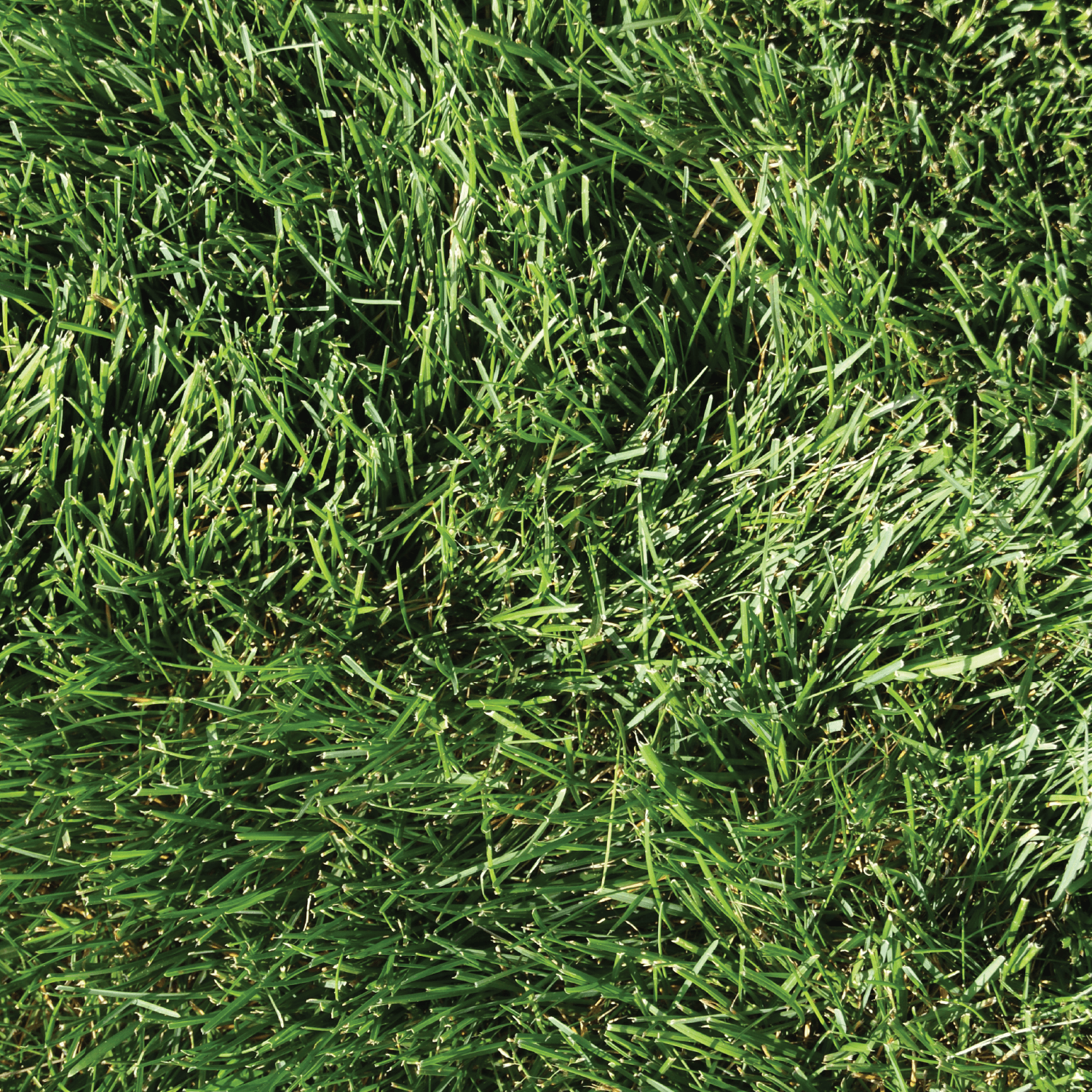
Northern lawns face unique challenges — cold winters, freeze-thaw cycles, and shorter growing seasons. Our cool-season grass blends are specifically formulated for the northern US, using species that thrive in temperatures between 60-75 degrees F.
• Kentucky Bluegrass — dense, self-repairing sod with rich color
• Perennial Ryegrass — quick germination and fast establishment
• Fine Fescues — shade tolerance and low-maintenance performance
• Tall Fescue — deeper roots and better drought tolerance in the transition zone edge
Each blend is regionally tested for Great Lakes, New England, Pacific Northwest, and Northern Great Plains climates. Whether you’re seeding a new lawn, overseeding bare patches, or renovating an entire yard, our USDA-tested seed delivers consistent results.
No fillers, no weed seed, no GMOs, and free shipping. Need a lawn built for heavy traffic? Check out our sports turf seed. Looking to save water? Browse our water-wise lawn seed.
———
Frequently Asked Questions
Q: What is the best grass seed for northern lawns?
A: Kentucky Bluegrass is the gold standard for northern lawns — it forms a dense, self-repairing sod with rich green color. Our blends combine it with Perennial Ryegrass for fast establishment and Fine Fescues for shade tolerance.
Q: When should I plant grass seed in the northern US?
A: Early fall (late August through September) is the ideal planting window for northern lawns. Warm soil promotes fast germination while cooler air temperatures reduce heat stress on seedlings. Early spring (April) is a secondary option.
Q: How do I grow grass in shady areas of my northern lawn?
A: Fine Fescues (creeping red fescue, chewings fescue) are the best cool-season grasses for shade. They tolerate as little as 3-4 hours of direct sunlight. Our blends include Fine Fescues specifically for mixed sun-and-shade lawns.
Q: How do I prevent winter damage to my northern lawn?
A: Fertilize in late fall to strengthen root reserves. Avoid foot traffic on frozen turf. Mow at 2.5-3 inches going into winter. Kentucky Bluegrass recovers well from freeze-thaw damage thanks to its self-repairing rhizome system.
Q: How often should I overseed my northern lawn?
A: Annual overseeding in early fall helps fill thin spots and maintain density. Spread seed over the existing lawn, apply a light topdressing of compost, and keep the area moist for 2-3 weeks until germination.
