
Best Native Plants for the Midwest
Cultivate a Thriving
Midwest Ecosystem
Biodiversity Boost: Native plants are 4x more likely to attract local pollinators like Monarch butterflies and honeybees compared to non-native ornamentals. By planting native, you provide the specific food and shelter our local wildlife needs to survive.
Hardiness Zone Resilience: From Zone 3 to Zone 8, these plants have spent centuries adapting to the Midwest’s unpredictable weather. Once established, they require significantly less water and zero chemical fertilizers to stay beautiful.
Selection Checklist
Space for Sprawling
Native plants love to spread. Give them 2–3 feet of space to allow natural growth patterns without overcrowding.
Know Your Hardiness Zone
The Heartland spans zones 3–8. Choose species like the Pawpaw (southern) or Black-Eyed Susan (universal) accordingly.
Resilient Heartland Essentials
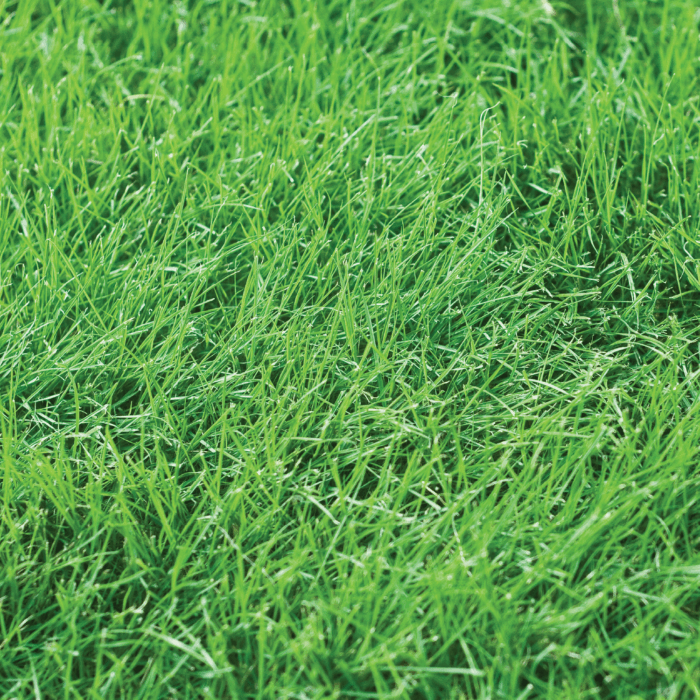
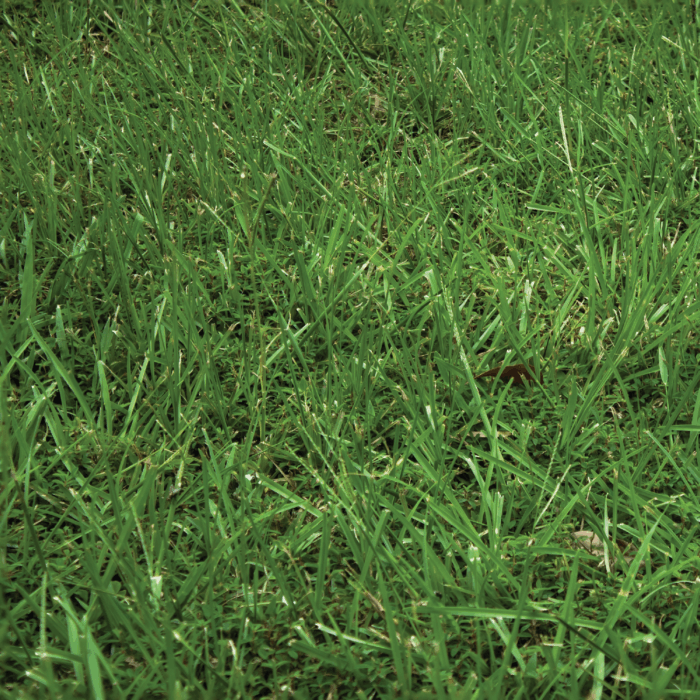
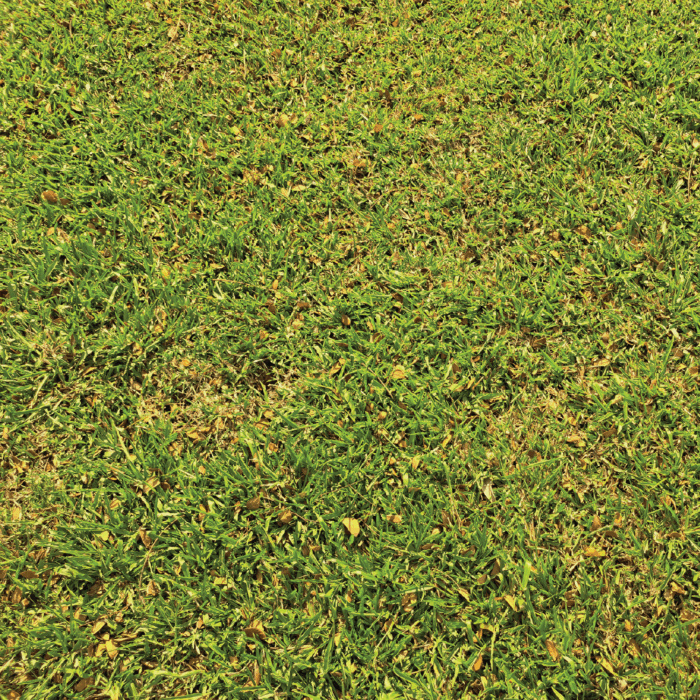
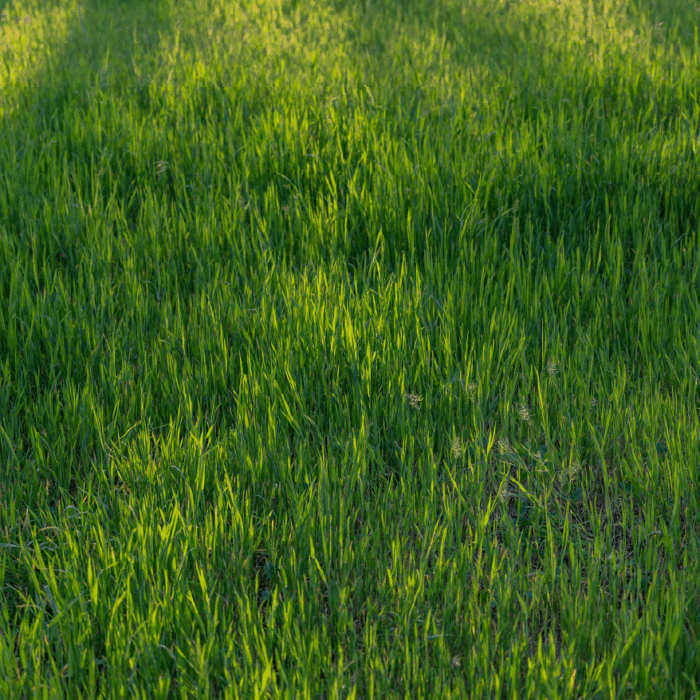
Complete your native landscape with our top-rated regional grass blends and pollinator-friendly mixes.
9 Best Native Heartland Species
From edible fruit to vibrant nectar-rich blooms.

Native Edibles
- Pawpaw Tree: The “Midwest Banana.”
- Mulberry: Tart berries for jams/pies.
- Rose Hips: Vitamin-C rich fruits.
- Dandelion: Nutrient-dense greens.

Nectar-Rich Flowers
- Cardinal Flower: Stunning red spikes.
- Black-Eyed Susan: Classic hardy yellow.
- Blue False Indigo: Purple bunches.
- Ashy Sunflower: Short, bright stalks.
- Arkansas Rose: Fragrant shrub color.
