Attract Those Gobblers With Turkey Food Plots

Table of Contents
I’ve had turkey on my mind lately. Maybe it was the Thanksgiving dinner last week, or maybe it’s the early season turkey hunt application I just submitted for next spring. Whatever the reason, now seems like the perfect time to mention a great way to attract these clever birds. Last spring I went wild turkey hunting for the first time in my life, and it didn’t take long to realize just how smart these birds are. At the end of the hunt I came away feeling a bit outsmarted and outwitted. While I used an array of calls, decoys and camouflage, it seemed like I was never in the right place at the right time. What I could have really used was an established turkey food plot which would have guaranteed a better chance of finding a big tom.
The Benefits of Turkey Food Plots for Wildlife
Why Create Turkey Food Plots?
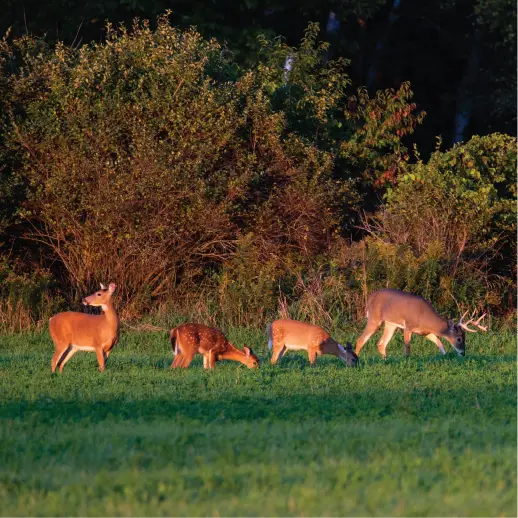
Turkey food plots have many uses when it comes to hunting and general wildlife management. Want bigger, meatier turkeys? Food plots will help by providing a consistent, reliable source of high-quality food throughout the growing season. Need to find turkeys? Food plots help to establish a predictable pattern of movement, a factor that comes in very handy during hunting season. Game cameras mounted next to your food plot will tell you when and for how long turkeys are visiting the area. Also keep in mind that a turkey food plot will attract other wildlife too. Use it in the spring for turkeys and come back in the fall for the deer hunt.

Finding the Ideal Location
The most critical step of establishing a successful turkey food plot is placement. To know where to establish the plot, it’s important to understand the preferred habitat of wild turkeys. Turkeys spend a lot of their time in heavily wooded areas and mature forests feeding on nuts, berries, seeds and insects. During the night turkeys will roost in trees. Wild turkeys also like to forage on the edge of meadows and clearings where they can quickly take cover if needed. With this in mind place your food plot along the edge of a wooded area. Oak forests are particularly advantageous since they produce acorns, a favorite of wild turkeys. A good water source should be nearby, preferably within a mile. And as always, ask for permission from the land owner if the area is not your property.
Selecting the Ideal Location for Your Plot
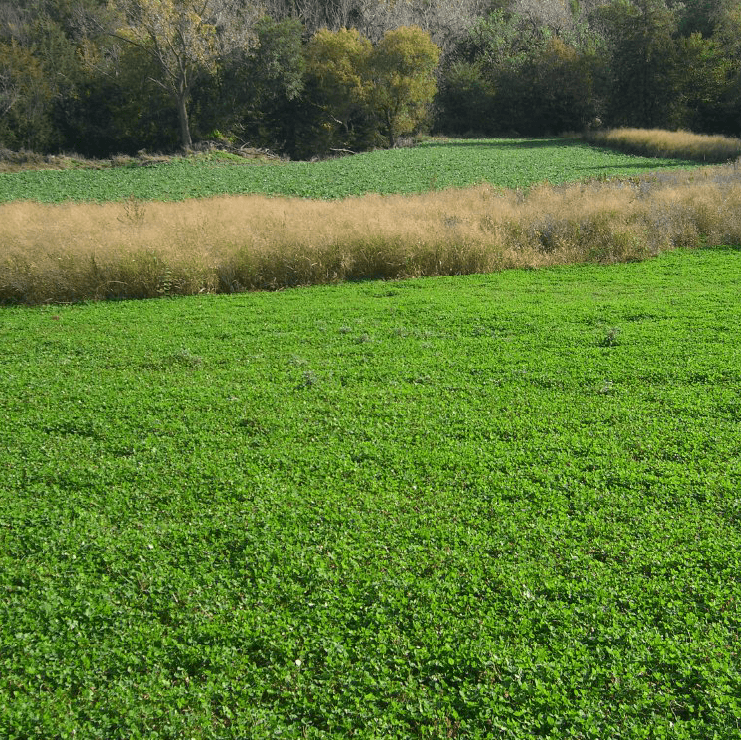
When scouting for a location, look for signs of turkey activity like tracks, droppings, and dusting bowls. The plot should ideally be long and narrow, providing multiple edges next to the cover. This layout gives turkeys a sense of security while they feed. It’s also crucial to choose a spot that receives adequate sunlight—most food plot mixes require a minimum of six hours of direct sun to thrive. If you are struggling with poor soil in your area, you may benefit from exploring our guide on Understanding Soil Amendments and Fertilizers.
Key Location Factors:
- Proximity to Cover: Plot should be adjacent to mature timber or dense brush for quick escape and night roosting.
- Water Source: A reliable source of water within a mile is highly beneficial.
- Sunlight Exposure: Ensure the plot receives at least 6 hours of sunlight daily for plant growth.
- Soil Quality: Test your soil for pH and nutrient levels before planting.
What to Plant for Attracting Wild Turkeys
Creating a Diverse Forage Mix
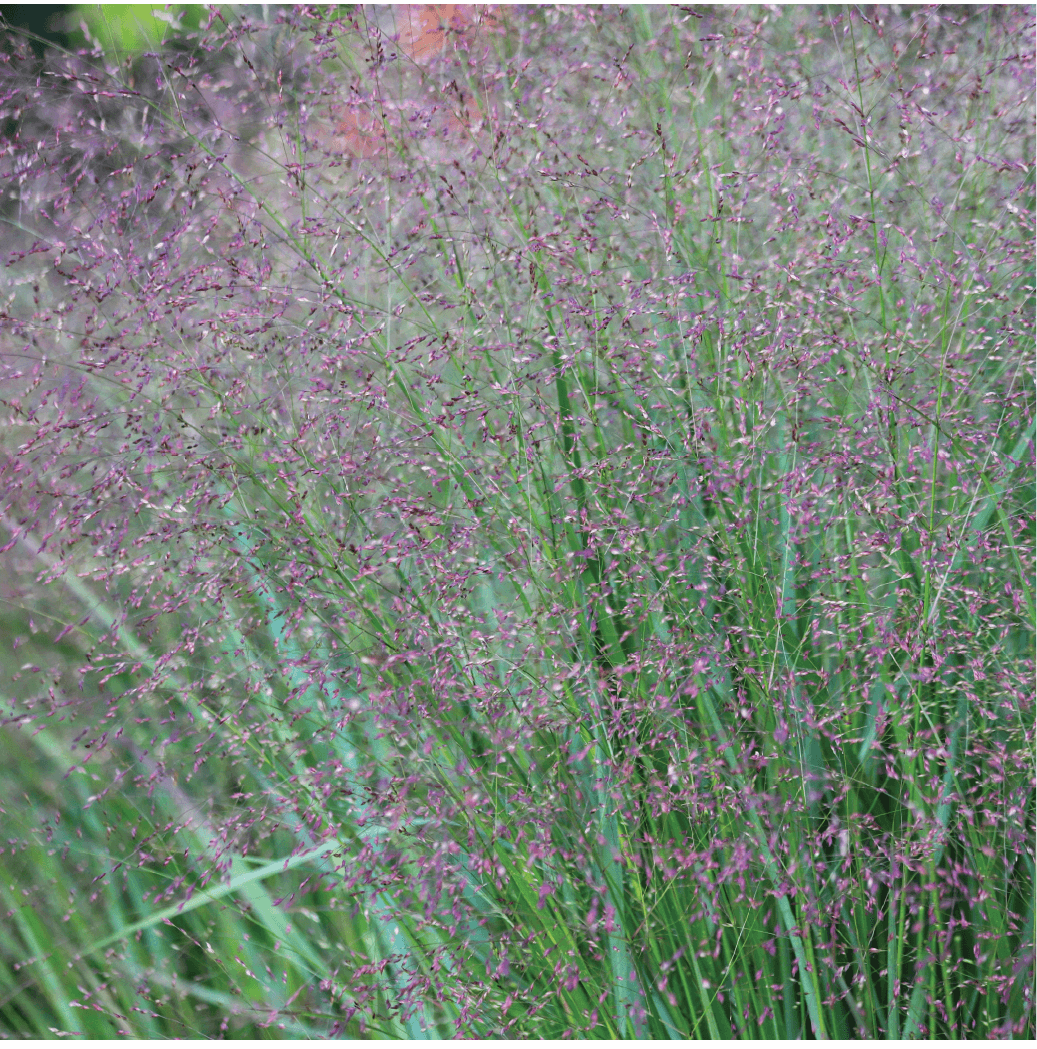
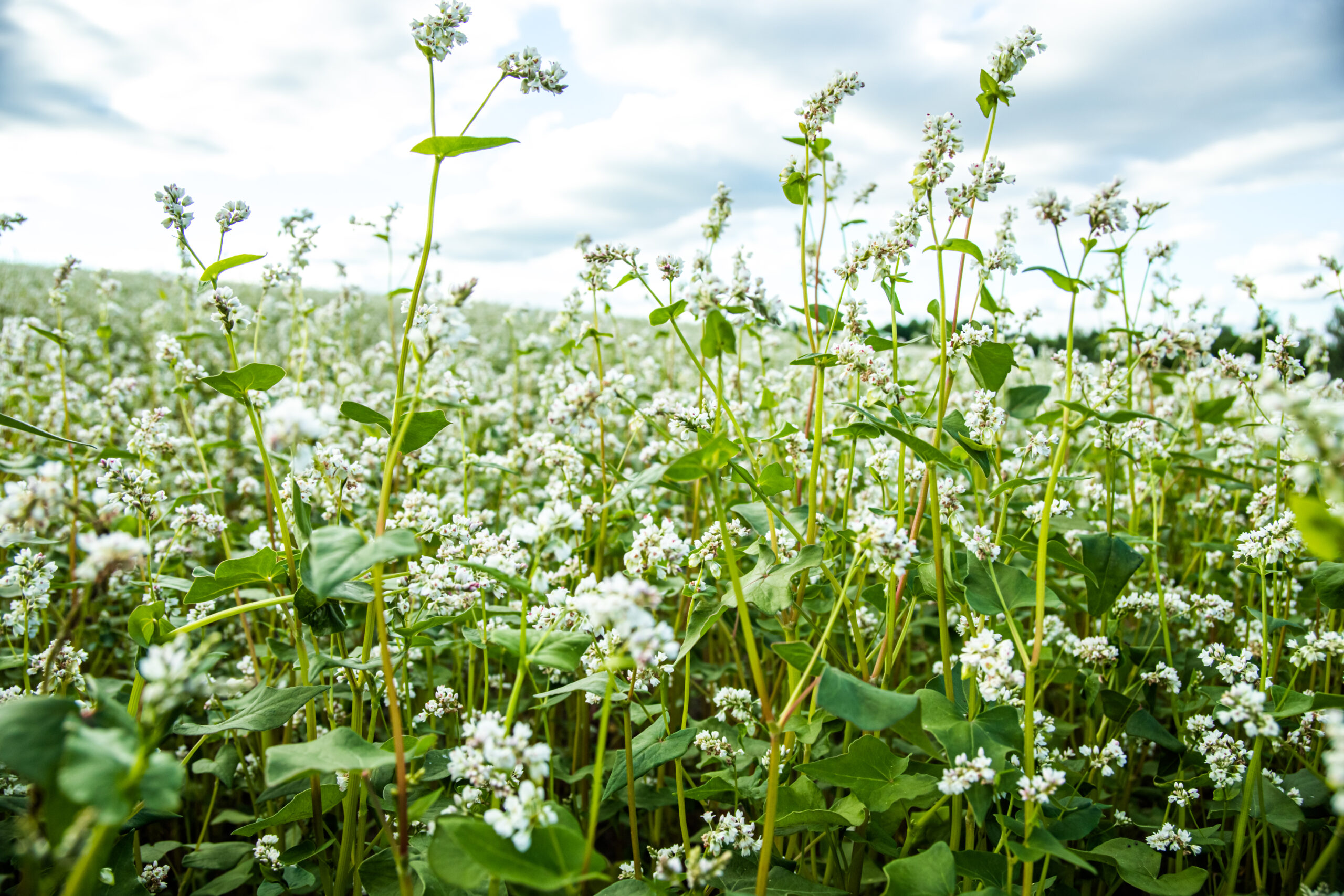
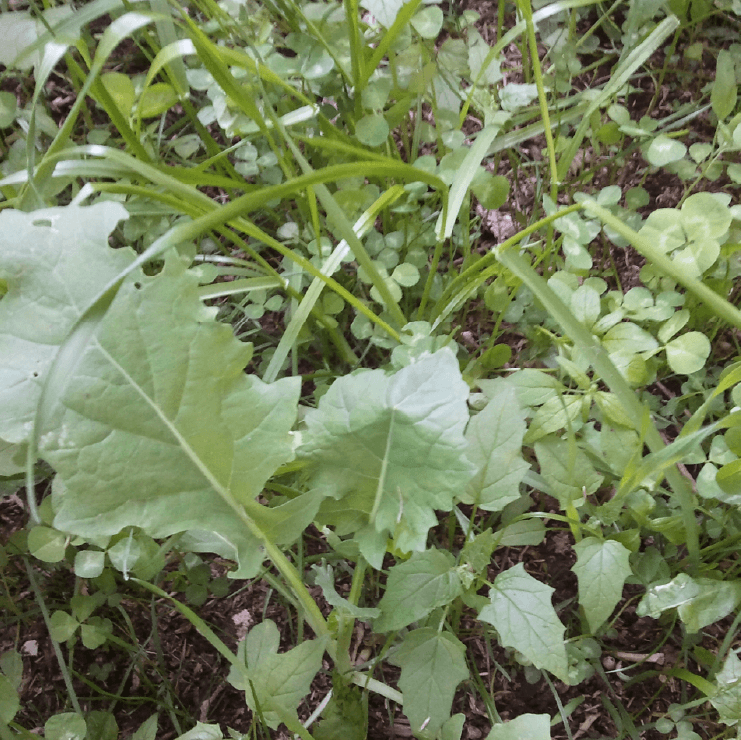
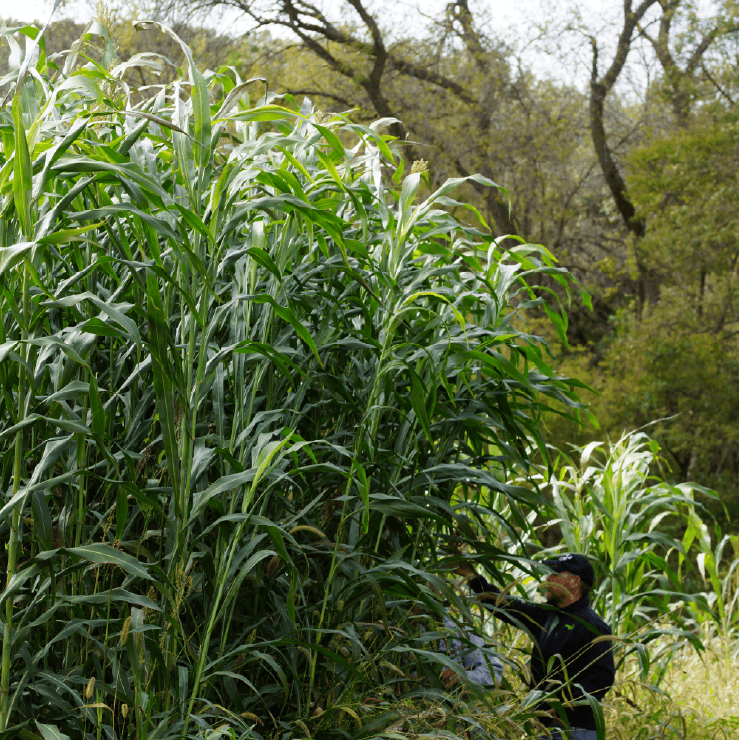
Once an area has been selected, it’s time to choose the types of plants you want to grow in your turkey food plot. Variety is key to providing a food source throughout different seasons. Try to incorporate a bit of everything. But whatever you decide, don’t plant it too thick. Turkeys prefer thinner vegetation when foraging and strutting. Some of the most popular and well known plants for turkeys include agricultural crops like rye, millet, oats, wheat, soybeans and sorghum. Chufa, a plant which forms small underground tubers, is also a favorite of wild turkeys. Legumes such as clover, alfalfa and sainfoin should also make up a good percentage of the mix. Include some wildflowers to attract the insects that make up a large portion of a wild turkey’s diet. Warm and cool season bunch grasses are also beneficial and provide cover for wild turkeys.

For detailed information on the nutritional needs of wild turkeys and recommended planting timelines, consult reliable sources such as university extension offices. For example, the USDA Natural Resources Conservation Service provides excellent guidance on wildlife habitat enhancement practices that benefit various game birds.
Preparing and Planting Your Food Plot
Preparing the Plot
To be effective, turkey food plots should be at least ½ to 2 acres in size. A plot should be laid out in a long, narrow strip hugging the edge of the forest. Prepare the soil by tilling in the existing vegetation, then disk or harrow to create a firm, smooth soil surface. If tilling and disking are not an option, you can also prepare the area by mowing the existing vegetation very short. Good seed-to-soil contact is a must for successful germination.
When and How to Plant
Plan to plant either in the spring or late summer, depending on the mix you choose. You should also consider which season your area receives most of its rainfall since moisture is crucial for a successful establishment. Seeding can be accomplished with a seed drill or broadcast directly on the soil surface. After broadcasting, lightly drag the area to cover the seeds without burying them too deeply. Also, be sure to leave a strip of bare, unplanted soil on the outside edge of your food plot. Turkeys will use this bare area to dust themselves—a behavior essential for feather maintenance and parasite control.

Shop Related Products
Premium seed mixes for your project