
Quality Highlights
| Every Seed Grows We don't pad bags with dead seed or filler. What's in the bag is what grows in your yard. | |
| Independently Tested, Every Batch Each lot is tested by a third-party lab for germination and purity before it ships to you. | |
| Grown on American Farms Our seed comes direct from U.S. growers we know personally — not a middleman warehouse. | |
| Clean Seed, No Shortcuts No coatings to inflate weight, no GMOs, no cheap filler species. Just seed. |
Free shipping on all orders under 125 lbs!
Shortgrass Prairie Seed Mix
SKU: PB-SGPR
What is the Shortgrass Prairie Mix?
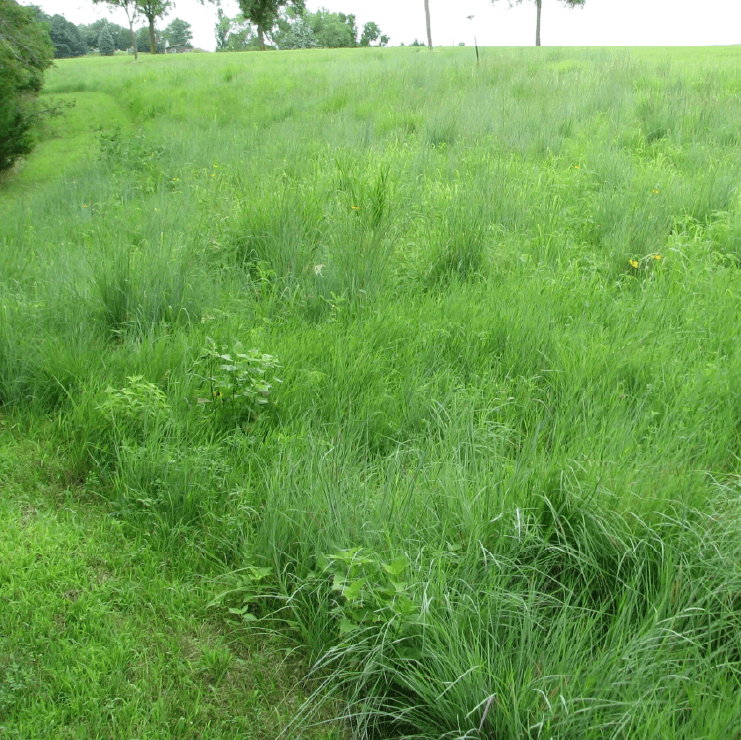
Not every landscape needs to tower. Some look best when they whisper instead of shout. Shortgrass Prairie Mix was made for those places — where you want the native prairie look, but with a gentler, more refined presence.
This native blend rarely exceeds three feet in height, yet it carries all the color, texture, and resilience of the great plains. Adapted to a wide range of soils and conditions, it thrives where others fail — standing strong through drought, sun, and the shifting moods of weather.
Perfect for naturalized landscapes, open pastures, reclamation projects, and low-maintenance acreage, this mix brings native character without becoming overwhelming. It’s prairie, tamed — not by force, but by balance.
What's in This Mix
A shortgrass prairie cornerstone that provides excellent wildlife cover, soil stability, and outstanding fall and winter visual appeal.
Adaptable native mid-grass that anchors shortgrass prairie restorations with reliable establishment and year-round wildlife habitat value.
Exceptionally drought-tolerant native grass that forms the living carpet of true shortgrass prairie and supports native prairie wildlife.
The defining sod-forming grass of the shortgrass prairie, offering unmatched drought tolerance and low-maintenance ground cover on arid sites.
Specifications
Seeding Specs
Establishment Specs
Why Choose This Seed?
Low-Growing & Manageable
This mix naturally stays under three feet tall, creating a tidy, balanced prairie appearance without overwhelming nearby structures or landscapes. It’s perfect for areas where you want a natural look that’s still easy to care for and requires little to no mowing.
Extremely Drought-Tolerant
Designed for dry climates and low-precipitation regions, this mix thrives where water is limited. Its deep-rooted native species help conserve soil moisture and reduce irrigation needs, saving both time and resources over the long term.
Adapted to a Wide Range of Soils
Whether your soil is sandy, rocky, or loamy, this mix establishes quickly and performs reliably. It’s ideal for projects where soil quality varies, ensuring consistent coverage and dependable growth across the entire site.
Native & Perennial Species
Composed of hardy, regionally adapted native grasses, this mix comes back year after year to provide lasting soil stability and habitat value. Its deep root systems improve soil health and support local ecosystems with minimal input.
Perfect for Harsh or Low-Input Sites
Made for places where taller prairie mixes struggle or require too much care, this blend excels in challenging environments like slopes, roadsides, solar sites, and large open areas. Once established, it needs very little maintenance to stay healthy.
Planting and Growth Guide
Site Preparation
Choose a location with full sun, well-drained soil, and minimal competition from existing vegetation. Remove turf, weeds or unwanted plants by spraying, smothering, or tilling so the seed gets good soil contact.
Seedbed & Seeding
After clearing the site, loosen or lightly rake the soil surface to improve seed-to-soil contact. Spread the seed evenly across the prepared area. You may mix the seed with a carrier (like sand or vermiculite) for more uniform application.
Sowing Timing & Covering
Ideally sow in early spring after soil thaws, or in fall before freeze-up so natural cold-moist stratification occurs. Lightly roll or firm the seed into contact with soil; if desired, apply a thin layer of clean straw to help retain moisture and reduce erosion.
First-Year Management & Long-Term Care
In year one, manage weed competition by mowing or removing tall weeds that may out-compete the native grasses. Avoid heavy fertilization (native blends generally don’t need it). Over the next 2-3 years, expect gradual establishment—be patient. After mature, minimal maintenance is required.
Pasture Seed
Helpful Resources
Planting Guide
Native Grass Series: Great Plains
Erosion Control in Pastures
Questions & Answers
This blend is ideal for dry, sun-exposed sites with low to moderate precipitation, and where you want a manageable height (under about three feet) rather than taller prairie grasses. Because the seed includes native, drought-tolerant grasses adapted to a wide range of soils, it works especially well on slopes, roadsides, utility corridors, and large open areas where maintenance is minimal and visibility is important.
In year one you’re primarily establishing root systems and coverage—expect some slower growth, weed competition, and the plants may not fill in completely. According to native-seed establishment guidance, you’ll want to closely manage weeds and avoid heavy disturbance.By years two to three you’ll begin to see fuller stand and better resilience. Full long-term performance (for perennial native grasses) may take 3-5 years to reach mature structure.
Proper preparation is critical. You’ll want to clear existing vegetation (especially turf or weeds), prepare a clean seed bed or surface, ensure good seed‐to‐soil contact, and avoid burying the seed too deeply. Some methods include mowing and removal, smothering layers (e.g., cardboard + mulch), solarization or herbicide treatment—depending on site size and budget. The cleaner the seedbed, the better the native seed will compete and establish.
For mixes like this one (warm-season native grasses, shortgrass prairie adapted), seeding either in early spring (as soon as soil is workable) or in the dormant season (late fall/winter) can be effective. Broadcasting seed onto a prepared seedbed, lightly raking or dragging to ensure shallow incorporation (often 1/16” to 1/8” depth), then rolling or packing can help. Avoid deep burial of seed. Using a fill-carrier (sand or fine material) can help uniform distribution for small seed mixes.
After the initial establishment phase you’ll enjoy fairly low maintenance. Early tasks include mowing or managing tall weeds in year one to reduce competition (a common recommendation is to mow when weeds reach ~8-10” and cut to ~4-6”) Beyond that, maintenance might be annual inspections, selective weed control, and ultimately minimal input as the native grasses mature. Because the mix is drought-tolerant and low-input, you avoid frequent mowing, fertilizing, or irrigation typical of turf.
Yes. Because the height is moderate and growth manageable, this mix pairs well with shorter wildflower components to add color and pollinator habitat. It also works as a foundation grass layer where you could overlay companion flowering species or transition zones. Because the height is controlled, you avoid having grasses overshadow wildflowers or block views.
Still Have Questions?
Our seed experts are ready to help you find the perfect seed for your project.
1-866-322-7300 Ask a Seed ExpertCustomer Reviews
See what real customers are saying. All reviews are collected and verified by Shopper Approved, an independent third party.
