
Conservation Planting Instructions
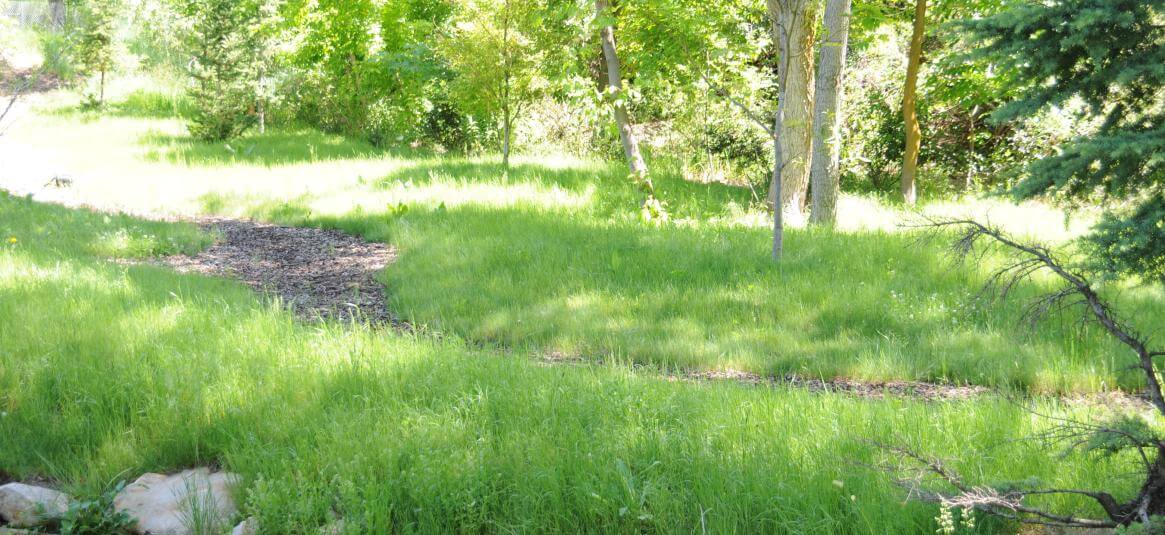
Conservation Seeding Guide | How to Plant Dryland Pasture, Erosion Control & Habitat Mixes
TL;DR: Quick Overview
To plant conservation mixes: choose timing based on species (cool-season in spring/fall, warm-season in late spring), prepare soil by clearing weeds and creating good seed contact, broadcast seed evenly using criss-cross method, lightly rake to ⅛-¼” depth, and maintain consistent moisture for 15-30 days. Success means gradual vegetation establishment that prevents erosion and supports wildlife.
Whether you’re planting dryland pasture, erosion control, or habitat restoration mixes, proper timing and preparation will set you up for success. This guide covers everything from site prep to long-term establishment.
- Conservation seed mix (dryland pasture, erosion control, or habitat)
- Broadcast spreader or hand-casting method
- Rake or harrow for soil preparation
- Rice hulls (carrier for even distribution)
- Water source for establishment period
Timeline at a Glance
Best Time to Plant
Timing is critical for successful germination. Aim to sow your seeds during periods of mild temperatures and moisture.
-
Cool-Season Species: Plant in spring or fall when average daytime highs are around 60–75°F. This cool, moist weather helps cool-season grasses and legumes establish without heat stress.
-
Warm-Season Species: Plant in late spring or early summer once temperatures are consistently 80°F or above. Warm-season grasses need warmer soil and air temps to germinate well.
-
Mixed Seed Blends: If your mix contains both cool and warm-season species, spring is generally the best compromise. Spring planting ensures cool-season seeds get a head start and warm-season varieties can germinate as temperatures rise.
Regional tip: In many regions, fall planting is ideal for erosion control and habitat mixes with cool-season natives – fall rains and cooler weather allow seeds to sprout and develop roots, then burst with growth in spring. In areas with harsh winters, spring planting might be safer.
Site Preparation
Proper ground prep ensures good seed-to-soil contact, which is key for germination. Prepare your site based on whether you’re starting fresh or overseeding an existing area.
New Seeding (Bare Ground)
- Clear vegetation: Remove all existing vegetation (weeds, old sod, etc.) by tilling, plowing, or disking the soil.
- Prepare seedbed: Break up large clods and smooth the soil surface, then firm it slightly with a harrow or cultipacker.
- Create texture: Leave some surface texture (small clods or grooves) where seeds can lodge and be protected.
Overseeding (Existing Vegetation)
- Mow short: Cut existing grasses/weeds down to about 4–6 inches tall.
- Scratch surface: Use a rake or harrow to scratch up the soil surface, creating grooves and exposed soil.
- Remove weeds: Treat any large weeds beforehand so they don’t outcompete your seedlings.
Seeding Methods
For conservation blends, broadcast seeding is typically the easiest and most effective method. Follow these techniques for even distribution and optimal germination.
Broadcast Seeding
- Even distribution: Use a handheld or push broadcast spreader to scatter seeds evenly over the prepared area.
- Criss-cross method: Seed in two passes—go north-south on the first pass, then east-west on the second for even coverage.
- Use carrier: Mix seed with rice hulls as a carrier to help distribute it more uniformly over large areas.
Seed-to-Soil Contact
- Light integration: Use a light harrow, landscape rake, or even the back of a leaf rake to gently work the seeds ⅛–¼ inch into the soil.
- Don’t bury deep: Most grass and wildflower seeds need to be near the surface to germinate—avoid burying too deep.
- Optional mulching: On slopes, apply thin straw mulch (50% ground coverage) to prevent erosion and retain moisture.
Watering & Early Care
Moisture is the key to turning those seeds into sprouting plants. Consistent watering during the germination period is critical for success.
Initial Watering
- Keep soil moist: For the first few weeks, the seedbed should stay consistently damp—not waterlogged, but never fully dry.
- Frequent light watering: This may mean light watering once or twice a day if rain isn’t present.
- 15-30 day window: Aim for consistent moisture during the critical germination period.
Natural Watering
If you don’t have irrigation, time your planting before a rainy period or in your region’s wet season so nature can do the watering. Spring rains help spring plantings, while winter rains help fall plantings in mild-winter areas.
Establishment & Long-term Success
Success in conservation seeding means gradual vegetation establishment that prevents erosion and supports wildlife. Here’s what to expect and how to ensure long-term success.
Germination Timeline
- Week 1-2: Don’t be alarmed if nothing is visible—seeds are working underground.
- Week 2-3: Many seeds begin to sprout under favorable conditions. “Nurse” species emerge first.
- Month 2+: Continued emergence as different species germinate and fill in the area.
Signs of Success & Aftercare
- Gradual thickening: Look for reduction of bare ground and new seedlings anchoring the soil.
- Monitor moisture: Water during dry spells, especially the first growing season.
- Weed management: Remove weeds before they go to seed to reduce competition.
